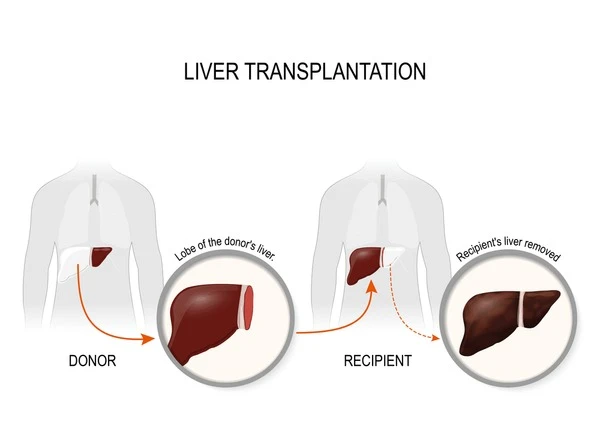

You might have heard about liver replacement surgery as a possible option if you or someone you care about has major liver problems. People with severe liver disease may need this treatment, which is often called a liver transplant, to save their lives. We'll discuss when liver replacement surgery is necessary, what indicators to look for, and the various treatment options available in this post. We will also discuss the importance of Medical Treatment Management in navigating this complex procedure.
What is Liver Replacement Surgery?
When someone needs a liver transplant, they get a new liver from a donor. This is called liver replacement surgery. People usually think about this procedure when the liver can't do its important jobs anymore because of cirrhosis, liver cancer, or acute liver failure.
Why Do You Need to Have Your Liver Replaced?
When the liver is very damaged and can't heal, liver replacement surgery is the only option. Here are some common reasons:
- Cirrhosis: It is the most prevalent reason for getting a new liver. Chronic alcohol misuse, viral hepatitis, and fatty liver disease can all lead to cirrhosis.
- Acute liver failure: It occurs when the liver suddenly stops working. This can happen because of chemical overdoses (such as acetaminophen), viral infections, or autoimmune illnesses.
- Chronic Hepatitis: Long-term liver inflammation can cause serious damage that makes a transplant essential.
- Liver Cancer: If a person's cancer is just in their liver and they meet certain requirements, a liver transplant treatment is the best choice for them.
- Genetic liver diseases: Genetic liver diseases like Wilson's disease or hemochromatosis can cause liver failure and make it necessary to have a new liver.
Signs That You Might Need a New Liver
Being able to recognise the signs of liver illness can help you get medical care quickly. These are some things to look out for:
- Jaundice: Yellowing of the skin and eyes means that the liver isn't working properly.
- Severe Fatigue: If you feel exhausted all the time and resting doesn't help, it could be a sign of liver problems.
- Abdominal Swelling: If your liver isn't working right, fluid might build up in your belly (ascites).
- Bleeding or bruising easily: The liver makes proteins that help blood clot. If it's not working properly, you can notice strange bruises.
- Nausea and vomiting: If you feel sick all the time, it could be a sign of liver problems.
Why You Need Help with Your Medical Care
The process of getting a liver transplant management can be very confusing, which is why Medical Treatment Management is so important. This is why:
- Care that works together: Medical treatment management helps different healthcare providers work together to make sure that everyone involved in your care is on the same page and knows what is going on.
- Care Plans Made Just for You: Every patient is different; thus, medical management services make care plans that take into account each person's needs, medical history, and preferences.
- Making the Process Easier: Taking care of medical needs might be hard to plan. Medical management services take care of scheduling, paperwork, and communication so that patients and their families may focus on getting better.
- Interventions that happen on time: Delays in treatment can make things worse. Medical management makes sure that interventions and follow-ups happen on schedule, which is very important for a good recovery.
- Help with feelings: It might be hard on your emotions to deal with health problems. Medical management services can help you feel better and provide you with peace of mind during this hard time.
How to Get in Touch with Medical Treatment Management Services
If you need help managing your therapy or are thinking about getting a liver transplant, here's how to get medical treatment management services:
- Talk to your doctor: Talk to your doctor about your condition first. They can tell you if you need a liver transplant and suggest the best ways to manage your condition.
- Look into the available services: Find local groups that help people manage their medical care. The Maddadgar Foundation is a great choice because it offers full support for managing liver transplants.
- Think about your choices: Look into the offerings and reputation of different groups. Look for reviews and testimonials to identify a reliable service provider.
- Start a Conversation: When you've found a service that works for you, get in touch with them. They will tell you about their services, how they work, and how much they cost.
- Start your treatment journey: After you choose a medical management service, they will work with the best liver transplant hospital to make a care plan that is unique to you and make sure that all parts of your treatment are in sync.
How Medical Treatment Management Can Help Patients and Their Families
Both patients and their families gain from good medical care management. Here's how it can help:
- Better health outcomes: Patients frequently have better health outcomes after liver transplant surgery when they have coordinated care and timely interventions.
- Less Stress: Taking care of health care might be difficult. Medical treatment administration takes care of the practicalities, which makes it easier for families to focus on getting better.
- Better Communication: These services connect patients with healthcare practitioners and make sure that everyone knows about and is involved in the treatment plan.
- Help with health plans: Medical management services can help patients figure out how to use health plans that might help pay for their care, which can ease their financial worries.
- Planning for Long-Term Care: Planning for long-term health needs is also part of managing medical therapy. This makes sure that patients get the help they need as their health changes.
- Giving families power: Families are incredibly important to a patient's healing. Medical management services give family members the information and tools they need to help their loved ones in the best way possible.
Conclusion
For people with severe liver disease, liver replacement surgery can be a life-saving option. It's important to know the indicators of liver failure and when surgery is needed so that you can get help quickly. Medical Treatment Management is very important for making sure that patients get the finest treatment possible during this time. If you or someone you care about is thinking about getting a liver transplant, talk to doctors and look into the available options. You can get through this tough road toward better health and well-being with the correct help.





























Sign in to leave a comment.