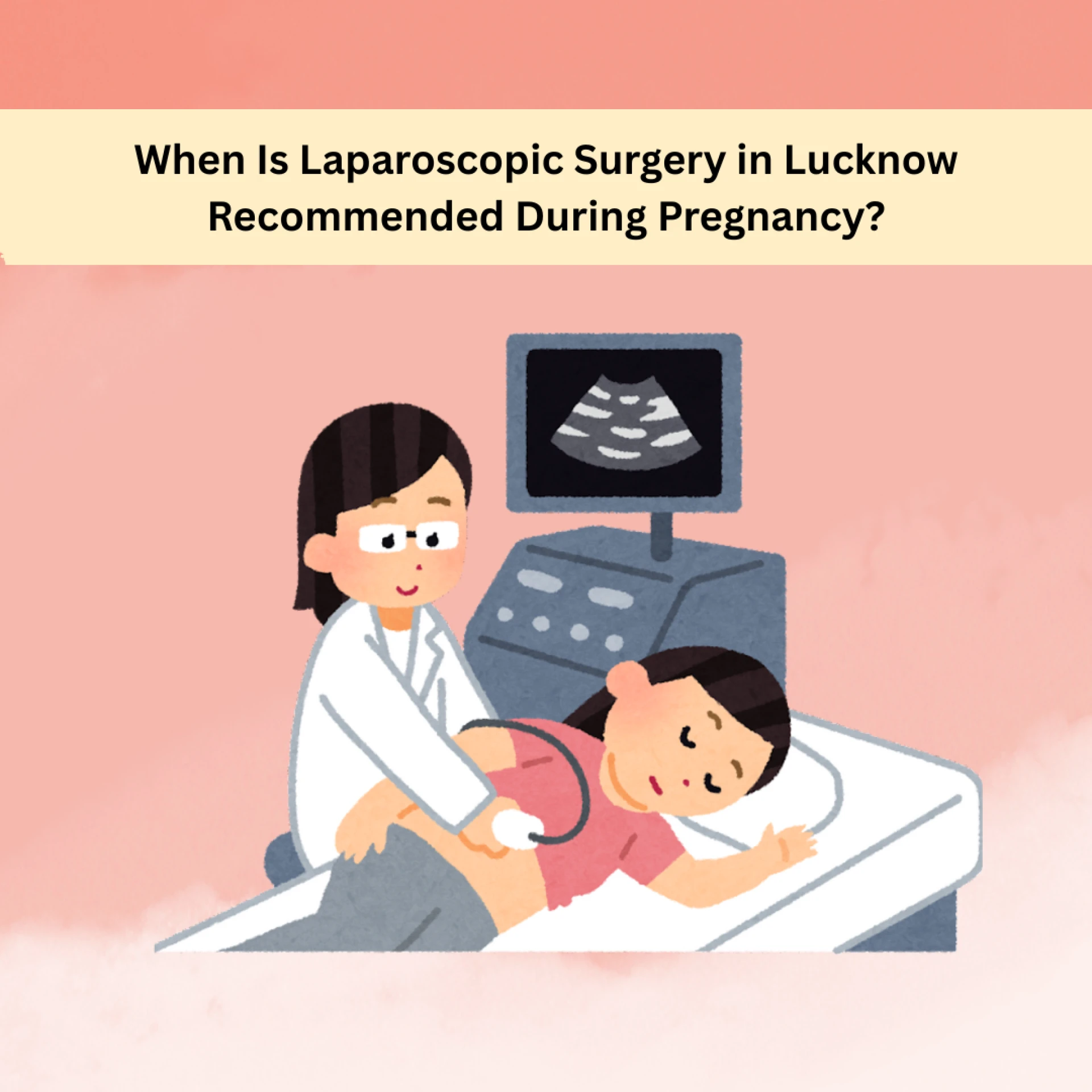

Pregnancy is a time of excitement and transformation, but it can also bring unexpected health challenges. While most pregnancies progress without complication, certain conditions may require surgical intervention—even during this delicate period. One of the safest and most effective surgical techniques used during pregnancy is laparoscopic surgery. But when is laparoscopic surgery in Lucknow actually recommended during pregnancy, and what should expectant mothers know before undergoing such a procedure?
This blog dives into the key considerations surrounding laparoscopic surgery during pregnancy, the situations where it's necessary, and why it's crucial to choose the best gynae laparoscopic surgeon in Lucknow for expert care.
What Is Laparoscopic Surgery?
Laparoscopic surgery, also known as minimally invasive surgery, involves making small incisions through which a camera (laparoscope) and surgical instruments are inserted to perform operations inside the abdomen or pelvis. The benefits of this procedure include:
· Reduced postoperative pain
· Faster recovery
· Shorter hospital stays
· Lower risk of infection
· Minimal scarring
In pregnancy, laparoscopic surgery must be performed with added precautions due to the presence of the growing uterus and the well-being of both mother and baby.
Is Laparoscopic Surgery Safe During Pregnancy?
Yes, Laparoscopic Surgery in Lucknow is generally considered safe during pregnancy when performed by an experienced gynecologist in Lucknow. However, the timing of the surgery, the type of condition being treated, and the gestational age are critical factors.
According to medical research and global guidelines, the second trimester (13–27 weeks) is the safest window for laparoscopic procedures. At this stage, the uterus has grown past the pelvic cavity, but is still small enough to avoid major complications.
When Is Laparoscopic Surgery Recommended During Pregnancy?
While surgery during pregnancy is avoided unless absolutely necessary, there are specific medical scenarios where laparoscopic surgery becomes crucial. Some of the most common conditions include:
1. Appendicitis
Acute appendicitis is the most common surgical emergency in pregnancy. Delaying treatment can lead to rupture, infection, and even preterm labor. Laparoscopic appendectomy is now the preferred method, especially in the second trimester.
2. Ovarian Cysts or Torsion
Sometimes, cysts develop or twist (torsion) during pregnancy, causing intense abdominal pain. If conservative treatment fails, surgical removal via laparoscopy is advised to prevent rupture or loss of ovarian function.
3. Gallstones (Cholelithiasis)
Gallstones can cause recurring episodes of pain, vomiting, and inflammation. If lifestyle modifications and medications don’t work, laparoscopic cholecystectomy may be performed safely during pregnancy.
4. Ectopic Pregnancy
Though typically diagnosed in the first trimester, an undetected ectopic pregnancy can be life-threatening. In such cases, immediate laparoscopic intervention is necessary.
5. Intra-Abdominal Bleeding
Unexplained internal bleeding during pregnancy could be due to a ruptured cyst or trauma. Laparoscopy helps identify the source and treat the issue promptly without risking maternal or fetal health.
Importance of Choosing a High-Risk Pregnancy Doctor
Not every pregnancy is the same. For those with underlying health conditions, previous miscarriages, or multiple gestations, surgery during pregnancy poses additional risks. That’s why consulting a high-risk pregnancy doctor is essential when any surgical intervention is being considered.
A specialist in high-risk pregnancies will work in tandem with a gynecologist in Lucknow to:
· Monitor fetal well-being before, during, and after the surgery
· Adjust medications safely
· Ensure minimal uterine manipulation
· Provide personalized care throughout recovery
Why Timing Matters
The second trimester remains the optimal time for laparoscopic surgery due to:
· Decreased risk of miscarriage compared to the first trimester
· Reduced chance of premature labor compared to the third trimester
· Better visibility and access for the surgeon
However, in emergencies, the surgery may be done regardless of gestational age, with specific modifications and precautions.
Precautions Taken During Laparoscopic Surgery in Pregnancy
Performing laparoscopic surgery on a pregnant woman requires a specialized approach. The best hospitals and clinics in Lucknow follow stringent protocols:
· Modified patient positioning to avoid compression of major blood vessels
· Lower CO₂ pressure in the abdomen to prevent fetal acidosis
· Continuous fetal monitoring (when viable)
· Smaller incisions placed strategically to avoid the enlarged uterus
· Shorter surgery duration to reduce maternal stress
These safety measures can make all the difference in ensuring a smooth outcome for both mother and baby.
The Role of a Gynae Laparoscopic Surgeon
A gynae laparoscopic surgeon is a trained professional specializing in advanced gynecological surgeries using minimally invasive techniques. When it comes to pregnant women, choosing the best gynae laparoscopic surgeon in Lucknow becomes even more important.
An experienced surgeon understands:
How to navigate anatomical changes during pregnancy
The importance of minimal uterine manipulation
Post-surgical monitoring and care specific to expectant mothers
They also collaborate closely with anesthetists, radiologists, and neonatologists to deliver a multidisciplinary approach.
How to Prepare for Laparoscopic Surgery During Pregnancy
If you’ve been advised to undergo laparoscopic surgery during pregnancy, here’s how you can prepare:
Pre-operative consultation: Discuss the reason for surgery, benefits, risks, and the recovery process.
Diagnostic imaging: Safe imaging like ultrasound or MRI helps guide surgical planning.
Fasting and hydration: Follow fasting guidelines and maintain good hydration levels as advised.
Emotional support: Acknowledge anxiety and talk openly with your doctor. Bringing a partner or family member to appointments can help you feel more supported.
Post-op recovery plan: Arrange for someone to assist you at home during your recovery phase.
Recovery After Laparoscopic Surgery in Pregnancy
Recovery is typically quicker than traditional open surgery. Most women can resume normal activities within a few days, though physical exertion should be avoided.
Key aspects of recovery include:
· Adequate rest
· Medication compliance (only safe drugs are prescribed)
· Regular follow-ups with your gynecologist in Lucknow
· Monitoring fetal movements
· Avoiding lifting heavy weights or long travel during the recovery period
Where to Seek Expert Care in Lucknow
With Lucknow emerging as a healthcare hub, there are several excellent gynecological and laparoscopic specialists in the city. However, if you’re pregnant and require surgery, don’t settle for anything less than the best.
Look for:
· A clinic specializing in women’s health
· A certified high-risk pregnancy doctor
· An experienced laparoscopic surgeon with proven success rates
· A center equipped with fetal monitoring and emergency neonatal care
Laparoscopic surgery during pregnancy is a life-saving option when performed under expert supervision. Conditions like appendicitis, ovarian torsion, and gallbladder issues cannot be ignored and often necessitate timely surgical management. While the thought of undergoing surgery during pregnancy can be overwhelming, the use of minimally invasive techniques ensures better safety, faster recovery, and optimal outcomes for both mother and child.
If you or someone you love is navigating a high-risk pregnancy or dealing with complications that may require surgical intervention, don’t hesitate to consult a specialist.
For compassionate and expert care, consider visiting Dr Mansi Dhingra, an accomplished Obstetrician and Gynecologist in Lucknow. With over a decade of extensive expertise and a distinguished membership with the Royal College of Obstetrics and Gynaecology in London, UK, she offers trusted care at Narika Women’s Health Clinic.
































Sign in to leave a comment.