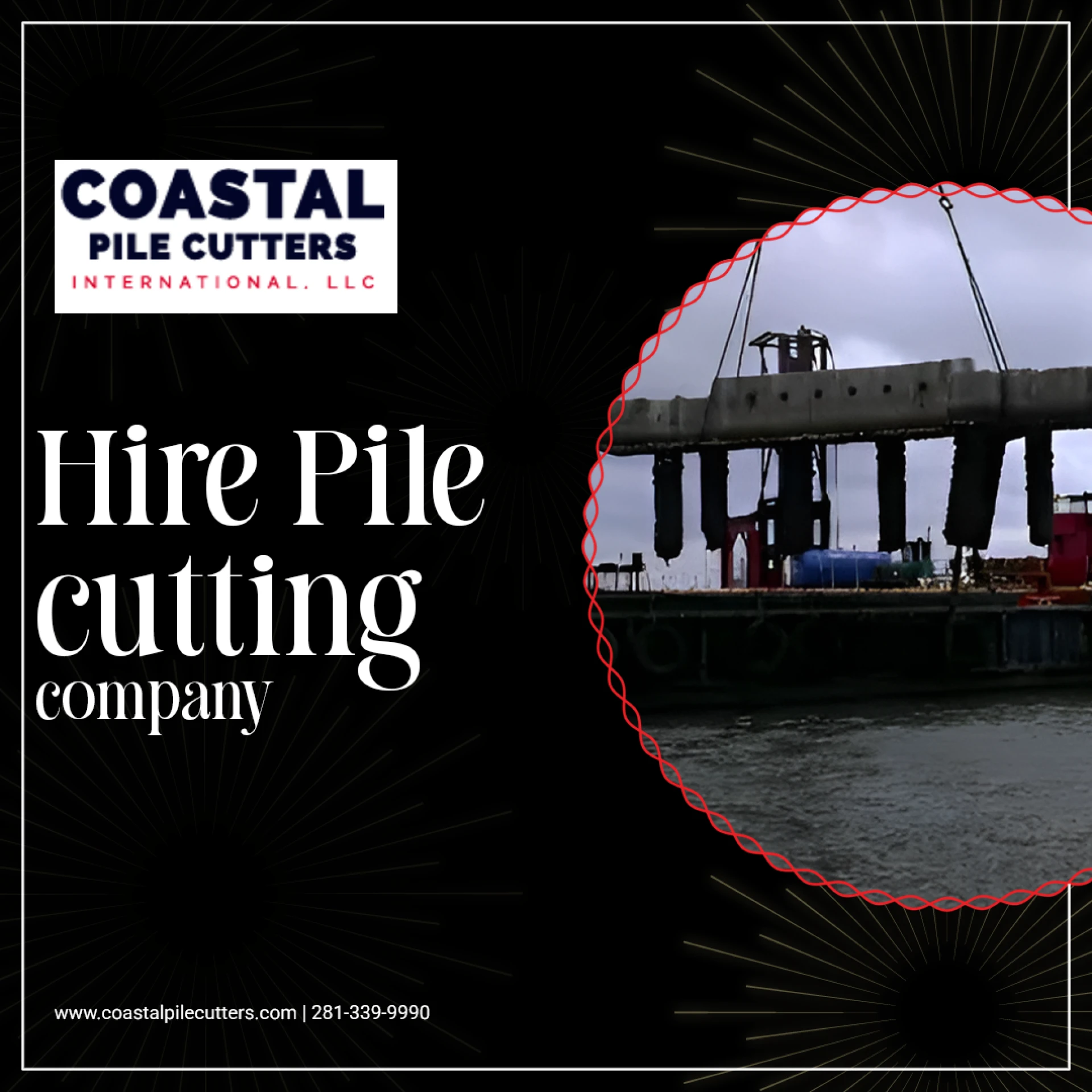
Quick Overview
Pile cutting is a critical step in many construction and marine projects. Knowing the right time to bring in professionals can save money, prevent delays, and protect workers and nearby structures. Many project issues arise not because pile cutting was done incorrectly, but because it was done too late or without proper planning.
This blog explains the key situations when it is best to hire a pile cutting company. It also highlights warning signs, project stages, and safety reasons that make professional pile cutting services essential.
Understanding What Pile Cutting Involves
Pile cutting is the process of trimming, shortening, or removing piles that support structures. Piles are often made from concrete, steel, or timber. They are driven deep into the ground to support heavy loads.
Over time, piles may need adjustment due to new designs, repairs, or removal needs. Cutting piles requires skill, proper tools, and careful execution to avoid damage to nearby structures.
This work is often part of bridge construction, dock repairs, foundation upgrades, and marine development projects.
Why Timing Matters in Pile Cutting
Timing plays a major role in successful pile cutting. Bringing in professionals too late can cause project delays and added costs. Acting too early without proper planning can also create issues.
Industry reports show that construction delays increase project costs by an average of 10 to 15 percent. Many of these delays are linked to unexpected structural challenges, including pile related problems.
Knowing when to act helps keep projects on track and within budget.
During the Early Planning Stage
One of the best times to consider pile cutting is during the planning phase of a project. Engineers and designers may identify piles that need adjustment or removal to meet new design requirements.
Early involvement allows teams to assess pile condition, material type, and location. This helps prevent surprises during construction.
Planning ahead also allows for better scheduling, which reduces downtime and avoids rushed decisions later.
When Structural Changes Are Required
Structural changes often signal the need for pile cutting. This includes expanding a structure, changing load requirements, or modifying foundation designs.
For example, adding new levels to a structure may require existing piles to be adjusted. In some cases, piles must be shortened to align with updated plans.
Addressing these needs early helps ensure the structure remains stable and safe throughout the construction process.
Before New Construction Begins
Another key time to hire pile cutting services is before starting new construction. Old piles from previous structures may still be present underground or below water.
Leaving these piles in place can interfere with new foundations. Removing or trimming them before construction begins helps create a clean and stable work area.
Construction studies suggest that site preparation issues cause nearly 25 percent of project delays. Proper pile cutting during this phase helps avoid these problems.
When Old or Damaged Piles Are Found
Old or damaged piles can pose serious risks. Piles weaken over time due to corrosion, water exposure, and soil movement.
If inspections reveal damaged piles, immediate action is often required. Delaying pile cutting in these cases can increase the risk of structural failure or safety hazards.
Hiring professionals ensures damaged piles are handled carefully without affecting nearby structures.
During Waterfront and Marine Projects
Waterfront and marine projects often require pile cutting due to submerged foundations and constant water exposure. Docks, piers, and bridges commonly rely on piles that extend below the waterline.
In these environments, pile cutting requires specialized skills and equipment. Marine construction accounts for a large portion of pile cutting work worldwide due to aging infrastructure and coastal development.
Early coordination with experienced teams helps ensure work is done safely and efficiently in challenging conditions.
Safety and Compliance Considerations
Safety regulations play a major role in determining when pile cutting should occur. Local building codes and environmental rules may require piles to be cut to specific heights or removed entirely.
Failure to follow these regulations can result in fines, delays, or forced rework. Construction safety data shows that compliance related issues contribute to thousands of work stoppages each year.
Working with pile cutting experts helps ensure all safety and legal requirements are met from the start.
Cost and Time Benefits of Hiring Early
Hiring professionals at the right time can reduce overall project costs. Early pile cutting helps avoid emergency work, which is often more expensive and disruptive.
Projects that plan pile cutting in advance tend to stay on schedule and within budget. Studies show that proactive construction planning can reduce unexpected costs by up to 20 percent.
Timely pile cutting also allows better coordination with other construction activities, improving workflow and efficiency.
Final Thoughts
The right time to hire Pile cutting experts depends on project planning, structural needs, safety concerns, and environmental conditions. Early action helps prevent delays, reduce costs, and protect both workers and structures.
By recognizing warning signs and planning ahead, project teams can make informed decisions and keep construction moving smoothly.
Coastal Pile Cutters International, LLC provides professional pile cutting services backed by experience and precision. Contact them today to discuss your project and ensure pile cutting is handled safely and efficiently from the start.






















Sign in to leave a comment.