

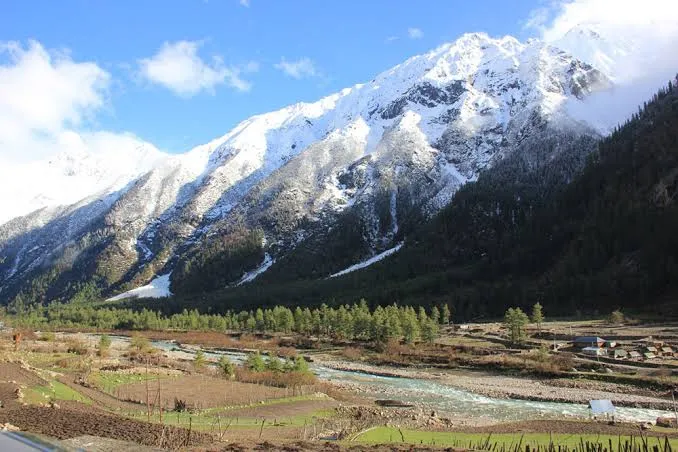
The Roopkund trek best time is an important consideration for anyone planning to explore this famous Himalayan trekking region in Uttarakhand. Known for its mysterious glacial lake, spectacular alpine meadows, dense forests, and dramatic mountain scenery, Roopkund has traditionally attracted experienced trekkers looking for a challenging high-altitude adventure. However, seasonal conditions and current access restrictions must be considered carefully before planning a trip.
What Is the Best Time for the Roopkund Trek?
Historically, the best trekking periods for the Roopkund region have generally been associated with late spring to early summer and the post-monsoon period, when weather and trail conditions can be more favorable.
However, it is important to understand that Roopkund is not simply a seasonal trekking destination anymore. Access to the lake and surrounding protected areas can be restricted, and rules may change. Therefore, checking the latest official information about permits, route access, and conservation regulations should be the first step before making travel arrangements.
Roopkund Trek in May and June
Late spring and early summer have traditionally been popular for exploring the Roopkund region. During this period, lower sections of the route begin to become greener, while higher areas can still have snow.
The famous Bugyal landscapes, including Bedni Bugyal, can provide beautiful mountain scenery. Depending on the year's snowfall and weather, trekkers may encounter snow-covered sections at higher elevations.
These months can be attractive for trekkers who want a combination of green landscapes and remaining snow in the higher mountains.
Roopkund Trek During the Monsoon
The monsoon season brings significant changes to the Himalayan landscape. The lower valleys become lush and green, but heavy rainfall can also make mountain roads and trekking trails more difficult.
Rain can increase the possibility of slippery trails, landslides, and travel disruptions in parts of Uttarakhand. For this reason, travelers should not choose a monsoon trek simply because the landscape looks greener.
If access is officially permitted, checking local weather and route conditions immediately before departure is essential.
Roopkund Trek in September and October
The post-monsoon period has traditionally been considered another attractive season for Himalayan trekking. Skies can become clearer, visibility may improve, and mountain landscapes can look particularly dramatic.
The alpine meadows and surrounding peaks can offer excellent opportunities for photography. Temperatures, however, can drop considerably at higher elevations, especially during mornings and nights.
Trekkers visiting during this period need suitable warm clothing and should be prepared for rapidly changing mountain weather.
Roopkund Trek in Winter
Winter brings heavy snow and freezing temperatures to the higher sections of the Roopkund region. Trails can become inaccessible or extremely challenging, and travel conditions can change quickly.
For most travelers, winter is not a suitable time to attempt the traditional high-altitude Roopkund route. Even experienced trekkers should only consider such terrain when it is legally accessible and with appropriate professional support.
Which Season Offers the Best Views?
For mountain photography and clear Himalayan views, the post-monsoon period has traditionally been attractive because clearer skies can reveal surrounding peaks.
Late spring and early summer can offer a different experience, with a combination of green meadows and snow at higher elevations.
The ideal season therefore depends on the type of landscape a traveler wants to experience.
Is Roopkund Suitable for Beginners?
The traditional Roopkund route is considered a challenging high-altitude trek. Long walking days, steep sections, uneven terrain, cold temperatures, and altitude make physical preparation important.
Beginners should not select the Roopkund region solely because of its popularity. Anyone considering a high-altitude trek should build endurance through regular walking, stair climbing, and cardiovascular exercise.
Professional guidance is especially important when trekking in challenging Himalayan terrain.
What Should You Carry?
Regardless of the season, suitable trekking equipment is essential. Your packing list may include:
- Sturdy trekking shoes
- Warm thermal layers
- Waterproof jacket
- Trekking trousers
- Gloves and woollen socks
- Sunglasses
- Sunscreen
- Water bottle
- Personal medicines
- Basic first-aid supplies
- Headlamp
- Power bank
- Small backpack
- Necessary identification and permits
The exact equipment should be adjusted according to the expected weather and current route conditions.
Important Things to Check Before Planning
Before choosing the Roopkund trek best time, travelers should check more than just the weather.
Verify:
- Whether the route is currently open to trekkers.
- Whether special permissions are required.
- Current protected-area regulations.
- Road conditions to the starting area.
- Current weather forecasts.
- Availability of qualified trekking support.
- Any local safety or conservation advisories.
This is particularly important because access regulations around protected Himalayan areas can change.
Responsible Trekking
Roopkund is part of a fragile Himalayan environment. Travelers should follow all conservation rules and avoid damaging vegetation or disturbing wildlife.
Do not pick flowers, leave plastic waste, or remove natural objects from the landscape. Stay on permitted trails and follow instructions from local authorities and trekking professionals.
Responsible tourism helps protect the region for future generations.
Conclusion
The Roopkund trek best time has traditionally been associated with late spring, early summer, and favorable post-monsoon conditions. May and June can offer a mix of green landscapes and snow, while September and October can provide clearer mountain views and beautiful autumn scenery.
However, seasonal conditions are only one part of the decision. Because access to Roopkund and surrounding protected areas may be restricted, travelers should confirm the latest official route and permission status before planning their journey.
With proper preparation, suitable equipment, responsible trekking practices, and careful attention to current regulations, travelers can better understand the unique Himalayan environment surrounding Roopkund.






















Sign in to leave a comment.