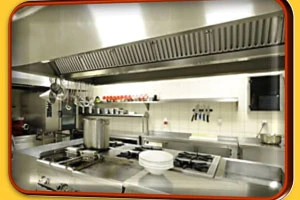

Restaurant exhaust systems play a critical role in maintaining a safe, comfortable, and efficient kitchen environment. Properly designed exhaust systems effectively remove heat, smoke, grease, and odors from the cooking area, ensuring the well-being of kitchen staff and the quality of the dining experience. Designing an effective restaurant hood systems involves a careful balance of factors such as ventilation, code compliance, energy efficiency, and the specific needs of the kitchen. In this article, we delve into the best practices for designing restaurant exhaust systems, exploring the key considerations, benefits, and steps involved in creating an optimal system that meets the demands of modern culinary spaces.
Key Considerations for Designing Restaurant Exhaust Systems
Local Codes and Regulations: Compliance with local building codes and regulations is paramount when designing restaurant exhaust systems. Regulations vary from one jurisdiction to another, and understanding and adhering to these requirements ensures the safety and legality of the system.
Kitchen Layout and Workflow: The design of the exhaust system should align with the kitchen's layout and workflow. Consider the arrangement of cooking equipment, prep stations, and service areas to determine the most efficient placement of exhaust hoods and ductwork.
Type of Cooking Equipment: Different cooking equipment generates varying levels of heat, smoke, and grease. Tailor the exhaust system design to accommodate the specific types of equipment used in the kitchen, ensuring that the system effectively captures pollutants at their source.
Air Volume and Velocity: Calculating the appropriate air volume and velocity for the exhaust system is crucial. Proper ventilation rates ensure that the system effectively removes airborne contaminants without causing discomfort to kitchen staff or affecting the balance of air within the space.
Hood Selection: The choice of exhaust hoods depends on factors such as the type of cooking, equipment layout, and cooking volume. Select hoods that are appropriately sized and designed to capture pollutants efficiently, preventing their spread to other areas.
Ductwork Design: Ductwork carries the exhaust air from the hood to the exterior of the building. Proper ductwork design considers factors such as length, diameter, bends, and material. Well-designed ductwork minimizes airflow resistance and ensures efficient pollutant removal.
Make-up Air System: To maintain proper indoor air pressure and prevent backdrafting, a make-up air system must be incorporated into the exhaust system design. This system introduces fresh air to replace the air being exhausted, preventing negative pressure within the building.
Fire Suppression Systems: In commercial kitchens, fire suppression systems are essential for safety. Coordinate the design of the exhaust system with the installation of fire suppression equipment, ensuring that the system remains effective even in the event of a fire.
Noise Reduction: Exhaust systems can generate significant noise levels. Incorporate noise reduction measures such as silencers, dampers, and sound-absorbing materials to create a quieter and more comfortable kitchen environment.
Energy Efficiency: Energy-efficient design is not only environmentally responsible but also cost-effective. Consider incorporating energy-efficient components, such as variable-speed fans and demand-controlled ventilation, to minimize energy consumption.
Benefits of an Optimally Designed Restaurant Exhaust System
Improved Indoor Air Quality: A well-designed exhaust system effectively removes pollutants, such as smoke, grease, and odors, from the kitchen environment. This leads to improved indoor air quality for both kitchen staff and diners.
Enhanced Safety: Effective ventilation reduces the risk of fire and health hazards associated with poor air quality. Proper system design contributes to a safer environment for both staff and patrons.
Regulatory Compliance: A thoughtfully designed exhaust system ensures compliance with local codes and regulations. This compliance not only avoids legal issues but also demonstrates a commitment to safety and professionalism.
Consistent Performance: An optimally designed system consistently performs at its best. Proper sizing, balanced airflow, and efficient equipment contribute to reliable and consistent pollutant removal.
Operational Efficiency: A well-designed exhaust system reduces the strain on kitchen equipment, such as cooling systems, by removing excess heat. This can lead to improved equipment performance and longer operational lifespans.
Energy Savings: Energy-efficient components and strategies result in reduced energy consumption and lower utility bills. Over time, the investment in an energy-efficient system can yield significant cost savings.
Customer Satisfaction: An exhaust system that effectively removes cooking odors and maintains a comfortable environment contributes to a positive dining experience for patrons.
Steps Involved in Designing Restaurant Exhaust Systems
Needs Assessment: Begin by conducting a thorough assessment of the kitchen's needs, including the types of cooking equipment, kitchen layout, and menu items. Determine the pollutants that need to be removed and the airflow rates required.
Consultation with Experts: Engage with experts in HVAC and commercial kitchen design. Collaborate with professionals who have experience in designing restaurant exhaust systems to ensure a comprehensive and effective design.
System Sizing and Calculations: Calculate the required air volume, velocity, and exhaust rates based on the kitchen's specific requirements. Proper sizing ensures that the system effectively captures pollutants while maintaining comfort.
Hood Selection: Choose exhaust hoods that are suitable for the kitchen's equipment and layout. Consider factors such as hood type (canopy, wall-mounted, island), size, and capture efficiency.
Ductwork Design: Design the ductwork layout, including the diameter, length, and routing. Ensure that the ductwork provides a clear and unobstructed path for airflow.
Make-up Air System Integration: Integrate a make-up air system into the design to maintain indoor air pressure and prevent negative effects on other building systems.
Fire Suppression Coordination: Coordinate with fire suppression system designers to ensure that fire suppression equipment is integrated seamlessly into the exhaust system design.
Noise Control: Incorporate noise reduction measures, such as silencers and sound-absorbing materials, to minimize the impact of system noise on kitchen staff and diners.
Energy-Efficient Features: Explore opportunities for energy-efficient design, including the use of variable-speed fans, demand-controlled ventilation, and energy recovery systems.
System Testing and Balancing: Once the system is installed, conduct testing and balancing to ensure that the system performs as intended. Adjust airflow rates and components as needed to achieve optimal performance.
Conclusion
Designing an effective restaurant exhaust system requires a comprehensive understanding of the kitchen's needs, regulatory requirements, and the principles of ventilation. By considering factors such as local codes, kitchen layout, equipment types, and energy efficiency, you can create a system that optimally removes heat, smoke, grease, and odors while ensuring the safety and comfort of kitchen staff and diners. Collaboration with experts, proper system sizing, thoughtful selection of components, and attention to details such as noise control and make-up air integration are essential steps in achieving success. An optimally designed restaurant exhaust system not only enhances the kitchen's functionality and safety but also contributes to a positive dining experience and the overall success of the culinary establishment.

























Sign in to leave a comment.