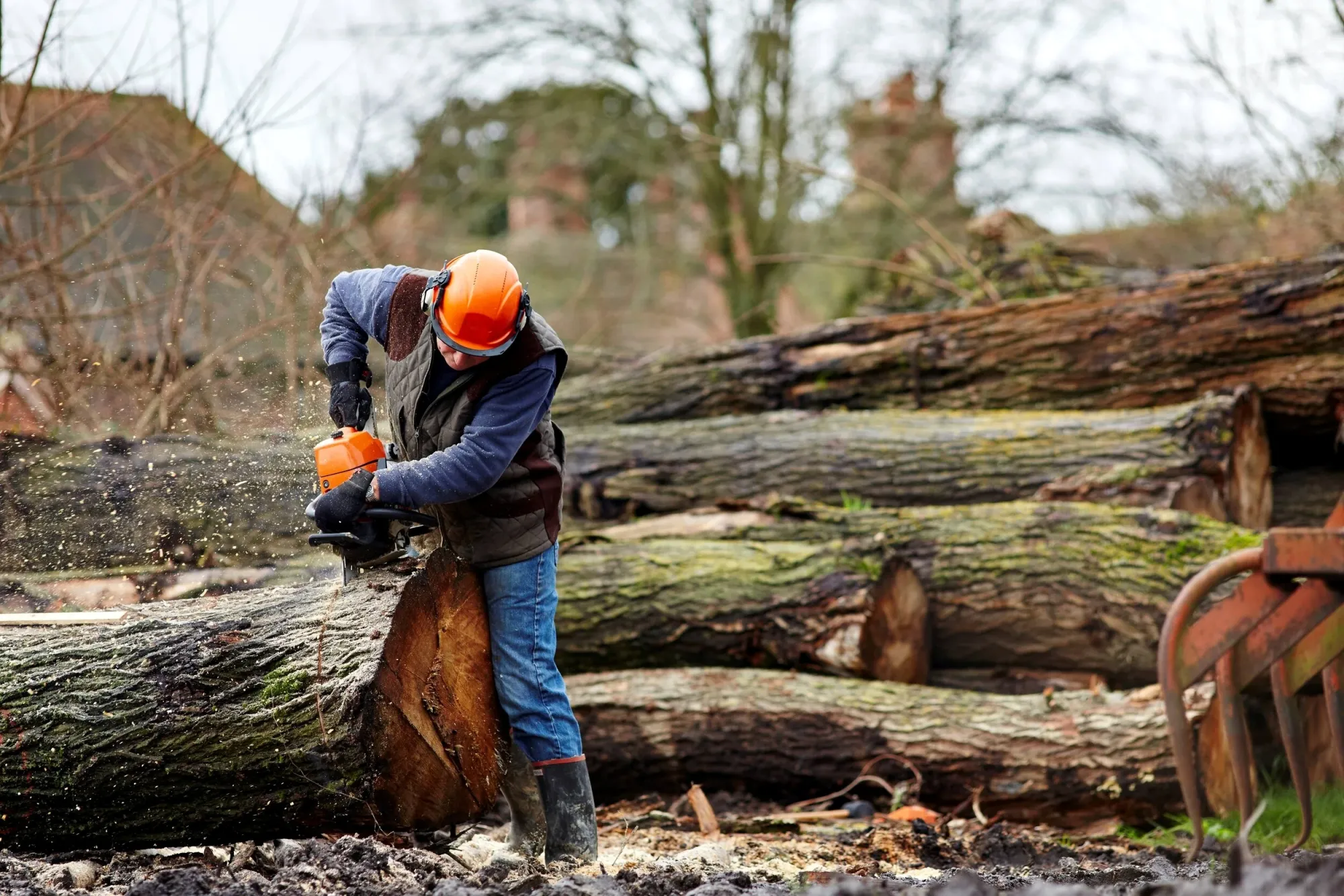

Healthy trees add shade, beauty, and value to a property, but tree care can become risky when branches grow too large, roots cause problems, or storms cause damage. Knowing when to seek expert help can prevent injuries, property damage, and costly tree problems. A professional arborist in Westminster can assess tree health, identify risks, and recommend the right care.
What Does a Professional Arborist Do?
An arborist focuses on the health, safety, and maintenance of trees. Their work goes beyond cutting branches. They can inspect trees, identify diseases, remove hazardous limbs, prune overgrown growth, and help protect trees from long-term damage.
Professional tree care may include:
- Tree health inspections
- Tree pruning and trimming
- Hazardous branch removal
- Tree removal
- Storm damage assessment
- Disease and pest identification
- Stump and tree risk assessment
- Tree maintenance planning
Calling an expert early can help you address small problems before they become major concerns.
1. When You Notice Dead or Weak Branches
Dead branches can fall without warning, especially during strong winds or storms. Large branches near roofs, driveways, sidewalks, or outdoor living areas create a greater safety concern.
Look for:
- Bare branches during the growing season
- Cracked or split limbs
- Loose branches
- Missing bark
- Branches with little or no growth
- Mushrooms growing near the trunk or roots
Professional pruning can remove hazardous growth while protecting the tree's natural structure.
2. When Your Tree Shows Signs of Disease
Tree diseases can spread quickly when you do not address them early. Changes in leaves, bark, branches, or overall growth can signal a health problem.
Common warning signs include:
- Unusual leaf discoloration
- Early leaf drop
- Cankers or damaged bark
- Fungal growth
- Sudden branch dieback
- Poor or stunted growth
Avoid guessing the cause based only on appearance. Different diseases can produce similar symptoms, while the right treatment may depend on the tree species and condition.
An arborist can inspect the tree and explain whether it needs treatment, pruning, monitoring, or removal.
3. When a Tree Starts Leaning
A slight natural lean does not always mean a tree poses an immediate danger. However, a new or rapidly increasing lean deserves attention.
Check the area around the trunk for:
- Raised or exposed roots
- Cracks in the soil
- Root damage
- A shifting trunk
- Broken branches
- Signs of soil movement
Trees can become unstable after heavy rain, construction work, strong winds, or root damage. If you notice sudden movement or major instability, keep people and vehicles away from the area and seek professional help.
4. After a Severe Storm
Storms can cause hidden tree damage even when a tree still looks healthy. Strong wind, lightning, heavy snow, or ice can split branches and weaken trunks.
After a major storm, inspect your property from a safe distance. Never climb a damaged tree or attempt to cut large hanging branches yourself.
A professional arborist in Westminster can assess storm damage and identify branches or trees that may create a safety risk. Professional evaluation can also help you decide which damaged growth needs immediate attention and which trees can recover with proper care.
5. When Branches Grow Near Power Lines
Trees growing close to power lines require special care. Cutting branches around electrical lines can create serious injury and fire risks.
Do not attempt DIY trimming when branches touch or closely approach power lines. Contact the appropriate utility provider or qualified tree professional for guidance.
Keeping trees properly managed around utility areas can reduce future conflicts and improve property safety.
6. When Roots Start Causing Problems
Tree roots can sometimes affect sidewalks, driveways, patios, drainage systems, or building areas. However, cutting roots without understanding their role can weaken or destabilize a tree.
Signs of possible root problems include:
- Raised sidewalks or paving
- Cracks near the tree
- Exposed roots
- Poor tree growth
- Soil movement
- Fungal growth near the base
An arborist can assess the tree and surrounding area before recommending root pruning, protection, removal, or another solution.
7. When You Plan Construction Near Trees
Construction can damage trees even when workers do not cut them down. Digging, grading, soil compaction, and changes around the root zone can affect tree health.
If you plan to build an addition, install a driveway, expand a patio, or change the landscape, consider a tree assessment before work begins.
An arborist can help identify trees that need protection and explain how construction may affect their roots.
8. When You Are Unsure Whether a Tree Needs Removal
Tree removal should not always be the first option. Some damaged or unhealthy trees may respond well to pruning or other care.
Removal may become necessary when a tree:
- Has severe structural damage
- Shows advanced decline
- Creates a serious safety hazard
- Has major root instability
- Interferes with essential structures or utilities
- Cannot recover through reasonable care
A professional assessment gives you more information before you make a costly decision.
DIY Tree Care vs. Professional Arborist Services
Small tasks such as removing a few reachable twigs may seem simple, but larger tree work involves significant risks. Chainsaws, ladders, falling limbs, unstable trees, and nearby power lines can turn routine work into a dangerous situation.
Consider professional help when:
- The tree is large or mature.
- Branches are high above the ground.
- The tree has storm damage.
- You see cracks or major structural defects.
- The tree stands near buildings or power lines.
- You need substantial pruning or removal.
- You cannot safely identify the problem.
Choosing professional tree care can protect both your property and the tree.
How to Choose the Right Arborist
Before hiring an arborist, ask a few practical questions. Check their experience, services, insurance, and approach to tree care. A good professional should explain the problem clearly instead of pushing unnecessary work.
Look for an arborist who:
- Provides a clear assessment
- Explains recommended work
- Offers a written estimate
- Has suitable insurance
- Understands local tree conditions
- Uses safe pruning and removal methods
- Focuses on long-term tree health
Clear communication can help you understand what your tree needs and why.
Final Thoughts
Trees can hide structural, health, and safety problems until they become serious. Dead branches, disease symptoms, leaning trees, storm damage, root concerns, and construction work all provide good reasons to seek expert advice. Calling a professional arborist in Westminster at the right time can help prevent avoidable damage and support healthier trees for years to come.
When you are unsure about a tree's condition, professional assessment is often safer than guessing or attempting major work yourself.
FAQs
1. When should I call a professional arborist?
Call an arborist when you notice dead branches, disease symptoms, sudden leaning, storm damage, root problems, structural cracks, or trees growing near buildings and power lines.
2. Can an arborist tell if a tree is dangerous?
Yes. An arborist can inspect the tree's structure, branches, trunk, roots, and surrounding conditions to identify potential hazards and recommend suitable action.
3. Should I remove a tree with dead branches?
Not always. Some trees only need targeted pruning, while severe decay or structural damage may require removal. An arborist can determine the safest option after inspection.
4. Is tree trimming safe to do myself?
Basic trimming of small, reachable branches may be manageable, but large trees, high branches, damaged limbs, chainsaws, and power lines create serious risks. Professional help is safer for complex work.
5. Can an arborist help after a storm?
Yes. An arborist can assess broken limbs, trunk damage, leaning trees, and other storm-related hazards and recommend pruning, monitoring, or removal based on the tree's condition.


















Sign in to leave a comment.