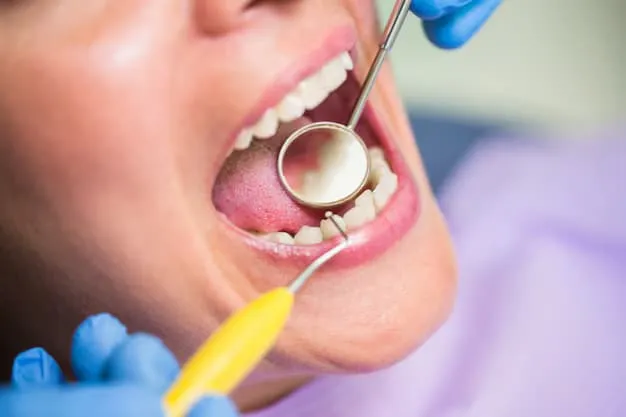

Healthy gums are essential for maintaining strong teeth, fresh breath and a comfortable smile. Although daily brushing and cleaning between the teeth provide an important foundation, some gum problems can require professional attention. Persistent bleeding, swelling, tenderness or changes around the teeth should not be ignored. Effective gum treatment can address underlying problems, reduce inflammation and help protect the tissues that support the teeth. Understanding when professional care may be appropriate allows individuals to respond to warning signs promptly and maintain better oral health over the long term.
Understanding Gum Health
The Role of Healthy Gums
Gums form a protective barrier around the teeth and help support the structures beneath them. Healthy gum tissue is generally firm and should not regularly bleed during brushing or cleaning between the teeth. When plaque accumulates around the gumline, bacteria can irritate these tissues and cause inflammation. Without suitable care, the problem may become more established and begin affecting deeper supporting structures. Maintaining healthy gums therefore involves consistent home care, regular professional examinations and prompt attention to unusual changes.
Why Gum Problems Develop
Gum problems commonly begin when plaque remains around the teeth for too long. If plaque is not removed thoroughly, it can harden into tartar, creating an environment where bacteria can continue to collect. Smoking, hormonal changes, certain medications, dietary habits and some health conditions may also influence gum health. Individual circumstances can vary considerably, which is why professional assessment can be useful when symptoms persist. Identifying contributing factors makes it easier to develop a suitable approach to treatment and long term prevention.
Signs That Professional Gum Care May Be Needed
Bleeding During Brushing
Bleeding while brushing or cleaning between the teeth is often one of the earliest signs of gum inflammation. Some people may assume that bleeding is caused by brushing too hard, but persistent bleeding should be professionally assessed. Inflamed gums can become more sensitive and bleed when exposed to normal cleaning. Improving oral hygiene may help in mild cases, but ongoing symptoms can indicate a deeper problem. Professional assessment can determine whether the bleeding is associated with simple inflammation or more advanced gum disease.
Swollen or Tender Gums
Gums that appear swollen, red or tender may indicate that bacterial plaque is irritating the tissues. The discomfort may be mild initially, but persistent inflammation should not be overlooked. Swelling around one particular tooth can sometimes have a different cause, including an infection associated with the tooth itself. A dental professional can examine the area and determine what may be responsible. Appropriate treatment can then focus on the underlying condition, helping reduce discomfort and protect the surrounding teeth and tissues.
Persistent Bad Breath
Bad breath that continues despite regular brushing can sometimes be associated with bacteria around the teeth and gums. Gum disease may create conditions where unpleasant odours become more noticeable, particularly when plaque and tartar accumulate in difficult to clean areas. Although bad breath can have several causes, persistent symptoms deserve professional attention. A dental examination can help determine whether gum health is contributing to the problem. Addressing the underlying cause may improve both oral freshness and the overall health of the gums.
The Importance of Professional Assessment
Examining the Gumline
A professional dental examination can provide information that may not be available through a visual check at home. The dental professional can assess the colour, shape and condition of the gums and look for signs of inflammation. The spaces between the teeth and gums may also be measured to identify areas where bacteria could be accumulating below the gumline. These findings help determine the severity of any gum problems. A thorough assessment is therefore an important first step before deciding which treatment is appropriate.
Checking Supporting Structures
Advanced gum disease can affect the bone and tissues that support the teeth, so an assessment may need to look beyond the visible gumline. Dental imaging can sometimes provide additional information about bone levels and other structures. The need for imaging depends on the individual's symptoms and clinical findings. Understanding the condition of the supporting tissues helps the dental professional develop a more complete picture. This information can influence treatment recommendations and help patients understand the importance of addressing gum problems promptly.
Professional Cleaning and Gum Care
Removing Hardened Deposits
Professional cleaning can remove tartar that cannot be effectively eliminated with ordinary brushing. These hardened deposits may form above or below the gumline and can contribute to ongoing inflammation. Dental professionals use appropriate instruments to clean the affected areas and remove accumulated deposits. Once the teeth are cleaner, patients can maintain the results through effective home care. Professional cleaning may be sufficient for mild gum problems, while more advanced conditions can require additional treatment and closer monitoring.
Cleaning Below the Gumline
When gum disease has progressed, bacteria and tartar may collect beneath the gumline. These areas can be difficult to access without professional equipment and techniques. Deeper cleaning can remove deposits from affected surfaces and help reduce the bacterial burden. Depending on the extent of the problem, treatment may involve several appointments. The dental professional can explain the process and discuss any measures that may improve comfort. Careful cleaning can provide the gums with a better environment in which to recover.
Improving Home Oral Hygiene
Brushing Twice Daily
Brushing twice daily with fluoride toothpaste is a key part of maintaining gum health. A suitable technique should remove plaque around the teeth and along the gumline without causing unnecessary irritation. Using excessive pressure can damage the gums or contribute to recession, so patients should focus on gentle and thorough movements. A dental professional can demonstrate an effective method where necessary. Consistent brushing is particularly important following professional treatment because plaque begins forming again soon after the teeth have been cleaned.
Cleaning Between the Teeth
The spaces between teeth can collect plaque that a standard toothbrush cannot remove effectively. Interdental brushes or floss can help clean these areas and reduce bacterial accumulation near the gums. The most appropriate option depends on the size of the spaces and the individual's dental condition. Professional guidance can help patients choose a suitable method and learn how to use it correctly. Regular interdental cleaning can support the benefits of professional gum care and reduce the likelihood of inflammation returning.
When Gum Disease Becomes More Serious
Changes Around the Teeth
As gum disease progresses, the gums may begin to recede, creating the appearance that teeth have become longer. Teeth can also feel sensitive or uncomfortable as more of the root surface becomes exposed. In advanced cases, teeth may become loose because the supporting tissues and bone have been affected. These changes require professional assessment rather than home treatment alone. Early intervention can help control the condition and may reduce the risk of further damage to the structures supporting the teeth.
Deeper Gum Pockets
Healthy gums usually fit closely around the teeth, but inflammation and tissue damage can create deeper spaces known as periodontal pockets. These spaces can collect bacteria and become increasingly difficult to clean. Professional assessment can measure these areas and determine whether they indicate more advanced gum disease. Treatment may involve deeper professional cleaning and ongoing monitoring. Addressing periodontal pockets is important because untreated bacterial accumulation can continue to damage supporting tissues and increase the risk of tooth loss.
Lifestyle Factors and Gum Health
Smoking and Tobacco
Smoking can significantly affect gum health by increasing the risk of gum disease and interfering with the body's natural response to infection. Tobacco use can also affect healing following dental treatment. Patients who smoke may therefore benefit from discussing cessation support with an appropriate healthcare professional. Reducing or stopping tobacco use can support healthier gums and improve wider health outcomes. Dental appointments can provide an opportunity to discuss smoking habits and understand how lifestyle changes may contribute to better oral health.
Diet and Daily Habits
Diet can also influence oral health, particularly when sugary foods and drinks are consumed frequently. Regular exposure to sugar can encourage bacterial activity and increase the risk of tooth decay. A balanced diet can support general wellbeing and contribute to healthy oral tissues. Drinking water throughout the day may also help maintain a healthier environment in the mouth. Patients can discuss dietary habits with a dental professional if they have concerns about how food and drink choices may be affecting their gums or teeth.
Professional Gum Treatment for Different Age Groups
Adults and Gum Health
Adults may experience gum problems at any stage of life, particularly when plaque control is inconsistent or other risk factors are present. Regular dental examinations can help identify changes before they become advanced. People with previous gum disease may require closer monitoring because the condition can recur if maintenance is inadequate. Professional care can include cleaning, personalised oral hygiene advice and follow up appointments. A consistent approach can help adults protect their gums and retain their natural teeth for longer.
Older Adults
As people grow older, maintaining gum health remains important for preserving natural teeth and supporting overall oral function. Older adults may have additional factors to consider, including medication use, dry mouth or existing dental restorations. These circumstances can influence plaque accumulation and gum health. Regular professional examinations can help identify concerns and provide personalised advice. Careful daily cleaning remains important, even when a person has fewer natural teeth. Professional guidance can help older adults adapt their oral hygiene routine to changing needs.
What to Expect From Professional Gum Care
Treatment Planning
Following an examination, the dental professional can explain the findings and recommend an appropriate treatment plan. The plan may involve professional cleaning, improved home care, deeper treatment or regular monitoring. The exact approach depends on the condition of the gums and the patient's individual circumstances. Patients should have an opportunity to ask questions and understand why particular treatments have been suggested. Clear information can make professional care easier to follow and encourage patients to take an active role in maintaining their oral health.
Aftercare and Recovery
Some patients may experience temporary tenderness or sensitivity following professional gum treatment, particularly when deeper cleaning has been required. Dental professionals can provide appropriate aftercare instructions to support recovery. Patients should continue cleaning their teeth carefully unless advised otherwise and should report unusual or persistent symptoms. Following professional guidance can help protect the treated areas and support healthier gums. Regular maintenance is also important because treatment addresses existing problems but does not remove the need for ongoing daily plaque control.
Maintaining Healthy Gums After Treatment
Regular Dental Reviews
Regular dental reviews allow professionals to monitor gum health and identify signs of returning inflammation. During these appointments, plaque levels, tartar accumulation and gum condition can be assessed. Patients who have experienced significant gum disease may be advised to attend more frequently, depending on their individual needs. Review appointments also provide opportunities to adjust oral hygiene advice. Continued professional monitoring can help maintain treatment results and identify new concerns before they become more difficult to manage.
Consistent Daily Care
Long term gum health depends heavily on what happens between dental appointments. Patients should maintain a routine that includes twice daily brushing and suitable interdental cleaning. They should also respond promptly if bleeding, swelling, tenderness or persistent bad breath returns. Small changes can sometimes indicate that plaque control needs improvement or that professional assessment is required. Consistent daily care combined with regular dental reviews can help reduce inflammation and support the tissues that keep natural teeth secure.
Final Thoughts
Professional gum treatment can be an important step when bleeding, swelling, persistent bad breath, gum recession or other changes indicate that routine home care may not be enough. An accurate assessment can identify the underlying cause, while professional cleaning and personalised advice can help improve gum health. Maintaining good oral hygiene and attending regular reviews can support lasting results. Anyone concerned about persistent gum symptoms should seek appropriate dental advice rather than waiting for the condition to worsen. For specialist dental support, Shiraz Endodontic Practice can be considered when exploring suitable care for complex oral health concerns.





























Sign in to leave a comment.