A common skincare question many people ask is: When is the right time to start using an anti-aging serum? Some believe it’s only necessary once wrinkles appear, while others think prevention should begin early. The truth lies somewhere in between.
Adding an antiaging serum to your routine at the right time can help maintain smoother, firmer, and healthier-looking skin for years to come. Understanding when and why to start makes all the difference.
Understanding Skin Aging
Before deciding when to begin, it’s important to understand how skin ages.
There are two main types of aging:
- Natural (intrinsic) aging – This happens over time as collagen production slows down and skin cell turnover decreases.
- Environmental (extrinsic) aging – Caused by sun exposure, pollution, stress, and lifestyle habits.
Collagen, the protein responsible for skin firmness, begins to decline in your mid-20s. While you may not see wrinkles immediately, subtle changes like reduced elasticity and slight dullness start to occur.
This is why many skincare professionals recommend prevention rather than correction.
Your 20s: Prevention and Protection
Your 20s are typically when your skin is still firm and resilient. However, collagen production has already begun to slow. This makes it a smart time to focus on prevention.
If you’re in your mid-to-late 20s, introducing a lightweight antiaging serum can help:
- Protect against environmental stressors
- Boost hydration
- Support collagen maintenance
- Prevent early fine lines
Look for serums with antioxidants such as vitamin C or botanical extracts. At this stage, the goal isn’t to “reverse aging” but to strengthen your skin’s defenses.
If you spend a lot of time in the sun or live in a polluted environment, starting earlier can be especially beneficial.
Your 30s: Time to Be Consistent
Your 30s are when many people begin noticing:
- Fine lines around the eyes
- Slight loss of firmness
- Uneven skin tone
- Slower skin recovery
This is the ideal time to consistently use an antiaging serum. At this stage, prevention and correction work together.
Serums in your 30s should focus on:
- Collagen support
- Deep hydration
- Improving texture
- Enhancing skin elasticity
Using an antiaging serum daily can help minimize visible signs of aging before they become more pronounced.
Your 40s and Beyond: Repair and Restore
By your 40s, collagen loss becomes more noticeable. Skin may appear thinner, drier, and less firm. Hormonal changes can also affect elasticity and hydration levels.
This is when a targeted antiaging serum becomes essential rather than optional.
Benefits at this stage include:
- Improving skin firmness
- Reducing the appearance of wrinkles
- Enhancing moisture retention
- Supporting skin renewal
Consistency is key. Pairing your serum with sunscreen and a nourishing moisturizer enhances its effectiveness.
Signs It’s Time to Start
Regardless of age, certain signs indicate it may be time to introduce an antiaging serum:
- Persistent dryness
- Dull complexion
- Fine lines that remain after moisturizing
- Uneven texture
- Loss of firmness
If you notice any of these changes, adding an antiaging serum can help address concerns early.
Why Is Prevention Better Than Correction?
Many people wait until deep wrinkles appear before considering anti-aging products. However, prevention is always more effective than trying to reverse advanced signs.
An antiaging serum works best when:
- Used consistently
- Applied before visible aging becomes severe
- Combined with sun protection
Starting early helps maintain youthful skin longer and reduces the need for intensive treatments later.
How to Use an Anti-Aging Serum Properly?
To maximize results:
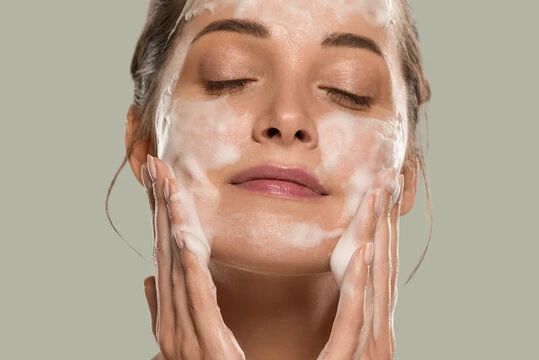
- Cleanse your skin thoroughly.
- Apply 2–3 drops of your antiaging serum to damp skin.
- Gently pat into your face and neck.
- Follow with moisturizer.
- Use sunscreen in the morning.
Serums are lightweight and highly concentrated, which allows active ingredients to penetrate deeper layers of skin.
For best results, apply once or twice daily depending on the formulation.
Choosing the Right Antiaging Serum for Your Skin Type
Not all serums are the same. Your skin type matters.
- Dry skin: Look for hydrating ingredients like hyaluronic acid.
- Oily skin: Choose lightweight, non-comedogenic formulas.
- Sensitive skin: Opt for gentle, botanical-based serums.
- Combination skin: Seek balanced formulations that hydrate without heaviness.
Selecting the right antiaging serum ensures your skin benefits without irritation.
Lifestyle Matters Too
While an antiaging serum plays a powerful role, skincare alone isn’t enough. Supporting habits include:
- Wearing sunscreen daily
- Staying hydrated
- Eating antioxidant-rich foods
- Getting enough sleep
- Managing stress
Healthy lifestyle choices enhance the results of your skincare routine.
The Bottom Line
So, when should you start using an anti-aging serum?
The best answer: before you think you need one.
Starting in your mid-to-late 20s with preventive care sets the foundation for long-term skin health. In your 30s, consistency becomes crucial. By your 40s and beyond, an antiaging serum helps restore and maintain firmness and smoothness.
A well-formulated antiaging serum supports collagen, improves texture, and protects against environmental damage. Whether your goal is prevention or correction, incorporating one into your routine at the right time can make a lasting difference.
Healthy, youthful-looking skin isn’t about stopping time, it's about supporting your skin at every stage of life.


























Sign in to leave a comment.