
Trauma is not simply a difficult memory. For a significant number of individuals, a single terrifying event — or a prolonged period of overwhelming stress — can fundamentally alter how the brain processes safety, emotion, and everyday experience. This is the clinical reality of post-traumatic stress disorder, a condition that affects men, women, and children of all ages and backgrounds, often long after the original threat has passed.
Understanding post-traumatic stress disorder with both clinical accuracy and human empathy is essential — not only for those who live with it, but for the families, educators, and communities supporting them.
What Is Post-Traumatic Stress Disorder?
Post-traumatic stress disorder is a mental health condition that develops following direct or witnessed exposure to a traumatic event. These events may include physical or sexual violence, serious accidents, natural disasters, military combat, medical emergencies, or prolonged emotional abuse.
What distinguishes post-traumatic stress disorder from ordinary stress responses is its persistence and its interference with daily functioning. While it is entirely normal to experience distress immediately following trauma, most individuals gradually return to baseline. For those with post-traumatic stress disorder, however, the nervous system remains locked in a state of heightened alert — as though the threat is still present, even when the environment is objectively safe.
Recognising the Symptoms
Post-traumatic stress disorder presents across four primary symptom clusters, each of which can vary significantly in intensity and expression:
- Re-experiencing symptoms include intrusive flashbacks, vivid nightmares, and intense emotional or physiological reactions when exposed to trauma-related reminders. These episodes can feel involuntary and deeply disorienting.
- Avoidance symptoms manifest as deliberate efforts to avoid thoughts, feelings, people, places, or conversations associated with the traumatic event. Over time, this avoidance can severely restrict a person's social and professional life.
- Negative alterations in cognition and mood include persistent feelings of guilt, shame, emotional numbness, distorted beliefs about oneself or the world, and a diminished capacity for positive emotion.
- Hyperarousal and reactivity present as an exaggerated startle response, chronic irritability, difficulty sleeping, concentration impairment, and a pervasive sense of being on edge.
In severe and untreated cases, post-traumatic stress disorder can escalate to crisis — making early, professional intervention not simply beneficial, but critical.

Evidence-Based Treatment Approaches
Post-traumatic stress disorder is a highly treatable condition. Clinical research consistently supports several therapeutic modalities as effective pathways to meaningful recovery:
- Eye Movement Desensitization and Reprocessing (EMDR) remains one of the most rigorously validated treatments for post-traumatic stress disorder. Through guided bilateral stimulation, EMDR enables clients to reprocess traumatic memories, reducing their emotional intensity and cognitive disruption without requiring extensive verbal retelling.
- Trauma-Focused Cognitive Behavioural Therapy (TF-CBT) addresses the distorted thought patterns that sustain post-traumatic stress disorder, helping individuals rebuild accurate, balanced perspectives and develop practical coping strategies.
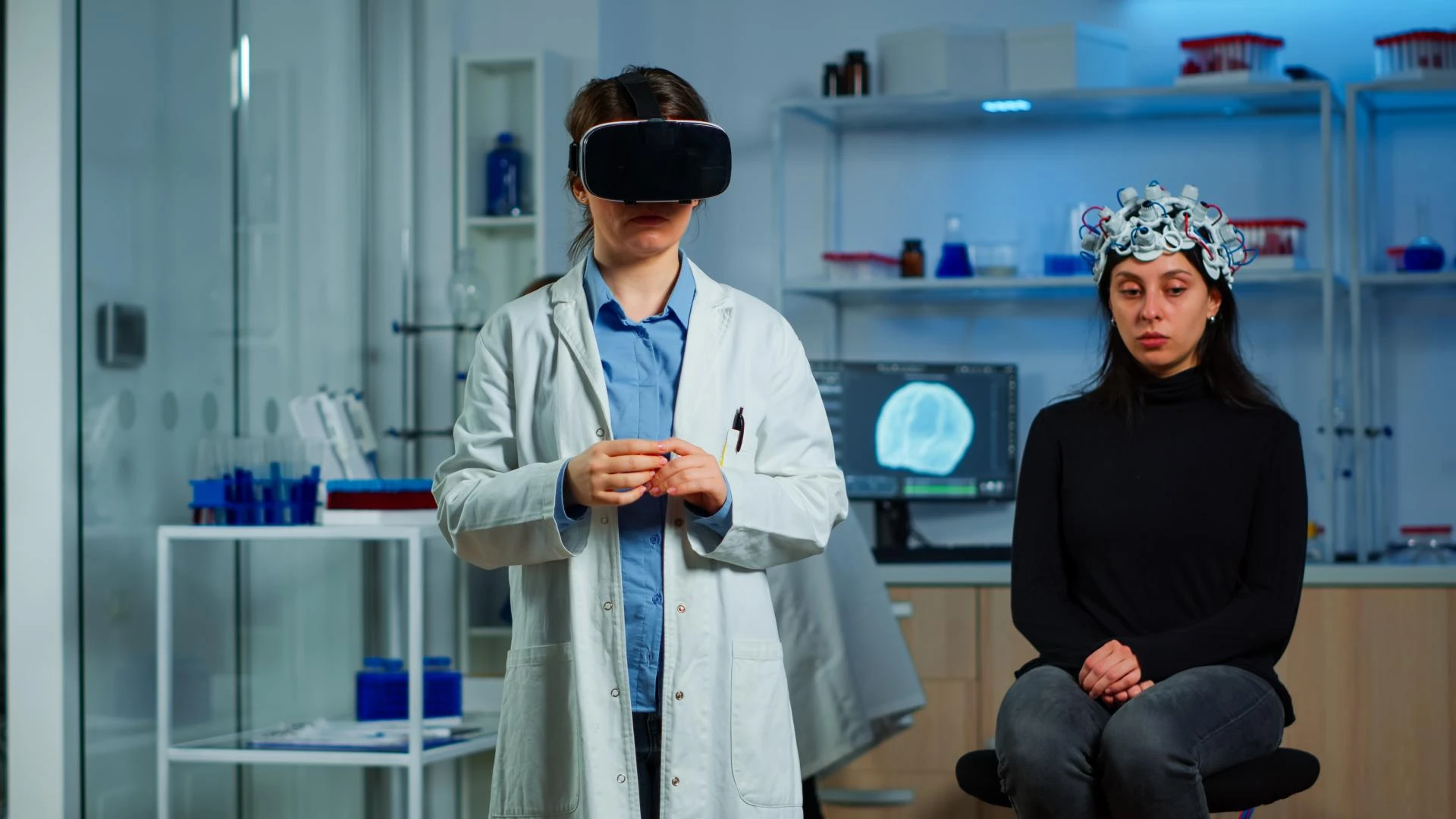
- Neurofeedback therapy offers a non-invasive neurological approach, training brainwave regulation to address the physiological dysregulation that underlies many post-traumatic stress disorder symptoms — particularly hyperarousal and emotional reactivity. It is especially valuable for individuals who have not responded adequately to conventional psychotherapy or medication.
- Talk therapy and psychotherapy provide the foundational therapeutic relationship through which trauma can be safely explored, processed, and integrated at the client's own pace.
The Insight Clinic's Approach to Post-Traumatic Stress Disorder
At The Insight Clinic, based in Whitby, Ontario, Canada, our multidisciplinary clinical team brings together registered psychotherapists, social workers, and behaviour analysts with extensive experience in trauma-informed care. We recognise that no two trauma histories are alike — and no two treatment plans should be either.
Our approach to post-traumatic stress disorder integrates EMDR, neurofeedback, and personalised psychotherapy within a structured, compassionate framework. Every client is met with dignity, patience, and clinical rigour — because recovery from post-traumatic stress disorder is not only possible, it is the standard we work toward every day.
If you or someone you love is living with the weight of unresolved trauma, The Insight Clinic is ready to help. Visit theinsightclinic.ca or call +1 (289) 483-0133 to book a free consultation and take the first step toward genuine healing.





























Sign in to leave a comment.