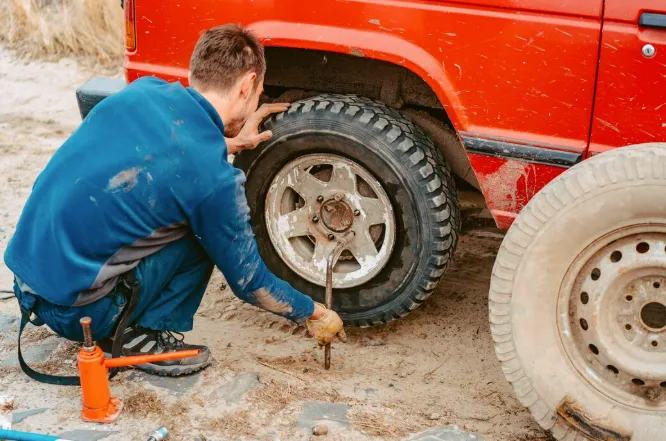

Introduction
A damaged tyre deserves a careful decision, not a quick guess. Replacement is sometimes necessary, but many clean punctures can be repaired safely by trained technicians. The decision rests on where the damage is located, how large it is, how long air has been lost, and whether the casing remains sound. A proper assessment helps us protect grip, steering response, braking distance, and long-term running costs.
1. Start With Damage Location
Location is the first safety filter. When assessing whether a tyre repair service in Auckland is suitable for a damaged tyre, technicians will first examine the exact location of the puncture. A puncture in the central tread often allows repair because that area has stronger support. Damage near the shoulder or sidewall is different. Those zones flex with every rotation, especially under heat and load. A patch there cannot restore the original casing strength.
2. Check Puncture Size
Small holes from nails, screws, or wire may qualify for repair. Most workshops use strict diameter limits, often around 6 mm. Cuts, splits, or ragged openings are more serious. They may damage steel belts or textile cords beneath the tread. Once that structure is disturbed, replacement is the safer option.
3. Consider Air Loss
The way pressure drops matters. Slow air loss may come from a small puncture, valve stem, or rim seal. A technician can remove the tyre and trace the source from the inside. Rapid deflation raises concern. Driving on low pressure can overheat the rubber, crease sidewalls, and leave hidden internal damage.
4. Look at Tread Depth
Repair has value only when tread depth supports safe use. Worn tread reduces wet grip, cornering stability, and braking control. If the grooves are close to the legal limit, replacement usually makes better sense. A sound patch cannot restore missing rubber or improve water clearance during heavy rain.
5. Review Tyre Age
Age changes the decision, even when the tread appears usable. Rubber gradually stiffens from oxygen, sunlight, heat cycles, and road chemicals. Fine cracks around grooves or sidewalls suggest the compound has lost flexibility. Older tyres need extra caution, especially on family cars, loaded vans, or vehicles used at motorway speeds.
6. Spot Hidden Damage
External marks rarely show the full condition. A neat nail hole can still hide liner splits, belt bruising, or cord damage. Proper inspection means removing the tyre from the wheel. Surface checks alone cannot confirm whether the casing is healthy enough for a lasting repair.
7. Inner Liner Signs
The inner liner should be clean, smooth, and unbroken. Rubber dust, dark pressure rings, or exposed cords suggest under-inflated driving. These signs usually point to replacement, even when the visible puncture looks minor.
8. Weigh Repair Quality
A reliable repair is completed from inside the tyre. The usual standard combines a stem and patch, sealing both the puncture channel and the liner. Emergency string plugs may slow air loss for a short period. They should not replace a workshop repair, pressure test, and wheel balance.
9. Workshop Checks
Careful technicians also inspect the valve, rim edge, bead seat, and pressure sensor. After refitting, they confirm balance and pressure retention. These steps reduce leaks, vibration, and repeat failures.
10. Factor Driving Use
Vehicle use affects risk. A lightly driven city car with a clean central puncture may be repaired confidently. A towing vehicle, loaded van, or performance car needs stricter judgement. Heat, speed, and weight increase casing stress. If the damage sits near any limit, replacement is usually the wiser choice.
11. Compare Real Costs
Repair usually costs less than replacement, but price should not drive the decision. An unsafe repair can create steering instability, pressure loss, or sudden failure later. Replacement costs more at first, yet it may provide stronger grip, better reliability, and a longer service life. Value comes from safety and remaining tread together.
12. Know Clear Replacement Signs
Some findings remove doubt. Sidewall cuts, shoulder punctures, bulges, exposed cords, large holes, and repeated nearby punctures require replacement. Any tyre driven flat for a distance also needs caution. Air may return, but overheated sidewalls can remain weakened after reinflation.
Conclusion
Professional tyre repair is appropriate when the puncture is small, central, recent, and supported by healthy tread and casing condition. Replacement is necessary when location, age, internal damage, or prior under-inflation creates structural risk. A trained inspection gives drivers a clear answer instead of guesswork. With the right choice, vehicles maintain predictable handling, tyres last responsibly, and unsafe failures become less likely.


























Sign in to leave a comment.