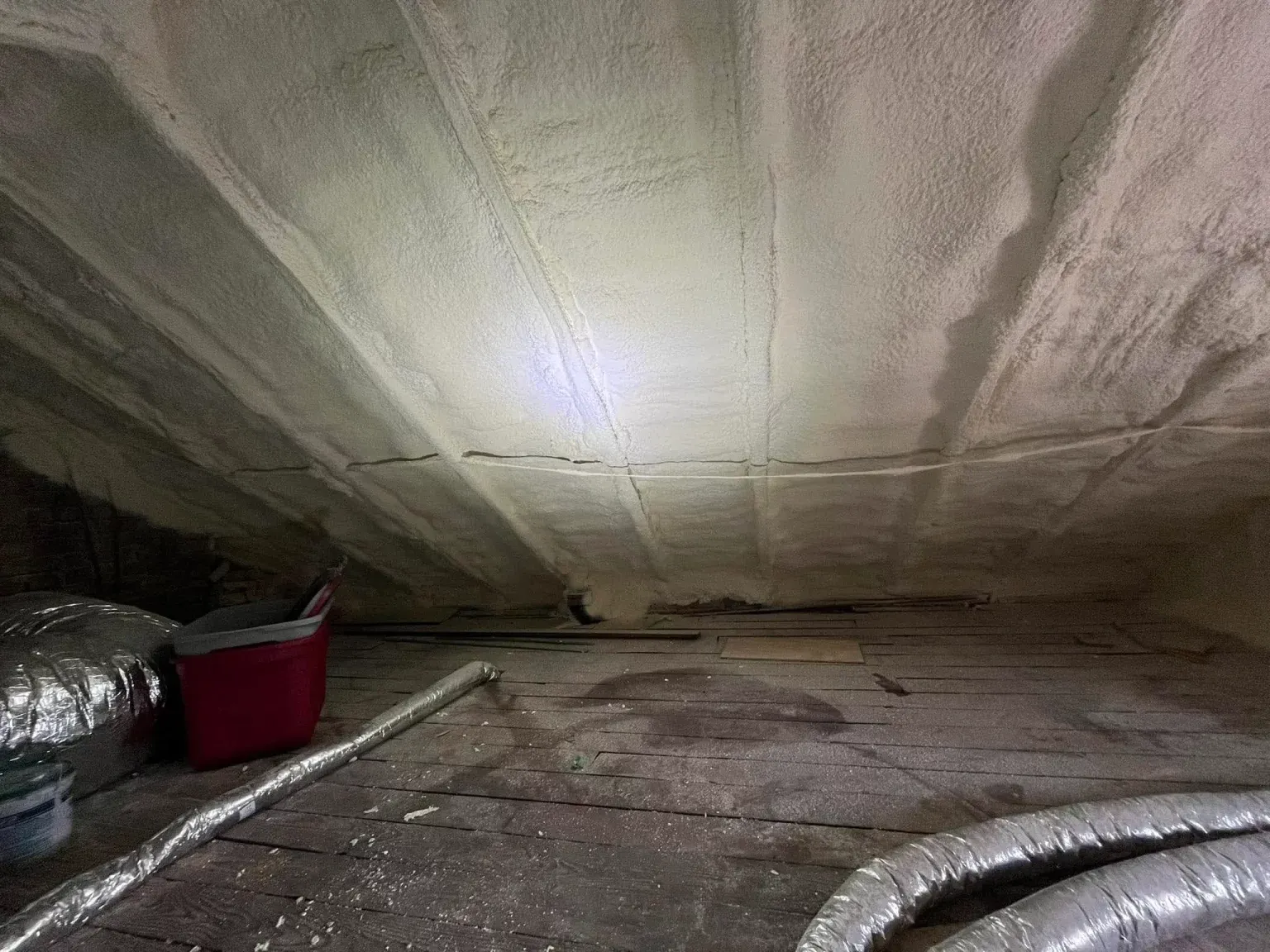

Attic insulation should be replaced when it no longer maintains consistent indoor temperatures, shows signs of damage, or fails to meet current energy standards. In most cases, insulation older than 15 to 20 years or affected by moisture, pests, or compression should be evaluated for replacement.
This article explains how to identify the right time for replacement, what warning signs to look for, and how proper attic insulation improves energy efficiency. The insights reflect industry practices used in residential and light commercial insulation projects.
Why Replacing Attic Insulation Matters for Performance
Attic insulation plays a direct role in controlling heat flow between your home and the outside environment. When insulation weakens, your HVAC system works harder to maintain comfort, which increases energy use.
Many homes lose up to 25% of heating and cooling energy through the attic when insulation is outdated or damaged. Replacing it restores thermal resistance and improves overall efficiency.
Older insulation also tends to settle or degrade over time. This reduces its ability to trap air and slows down heat transfer, which is its primary function.
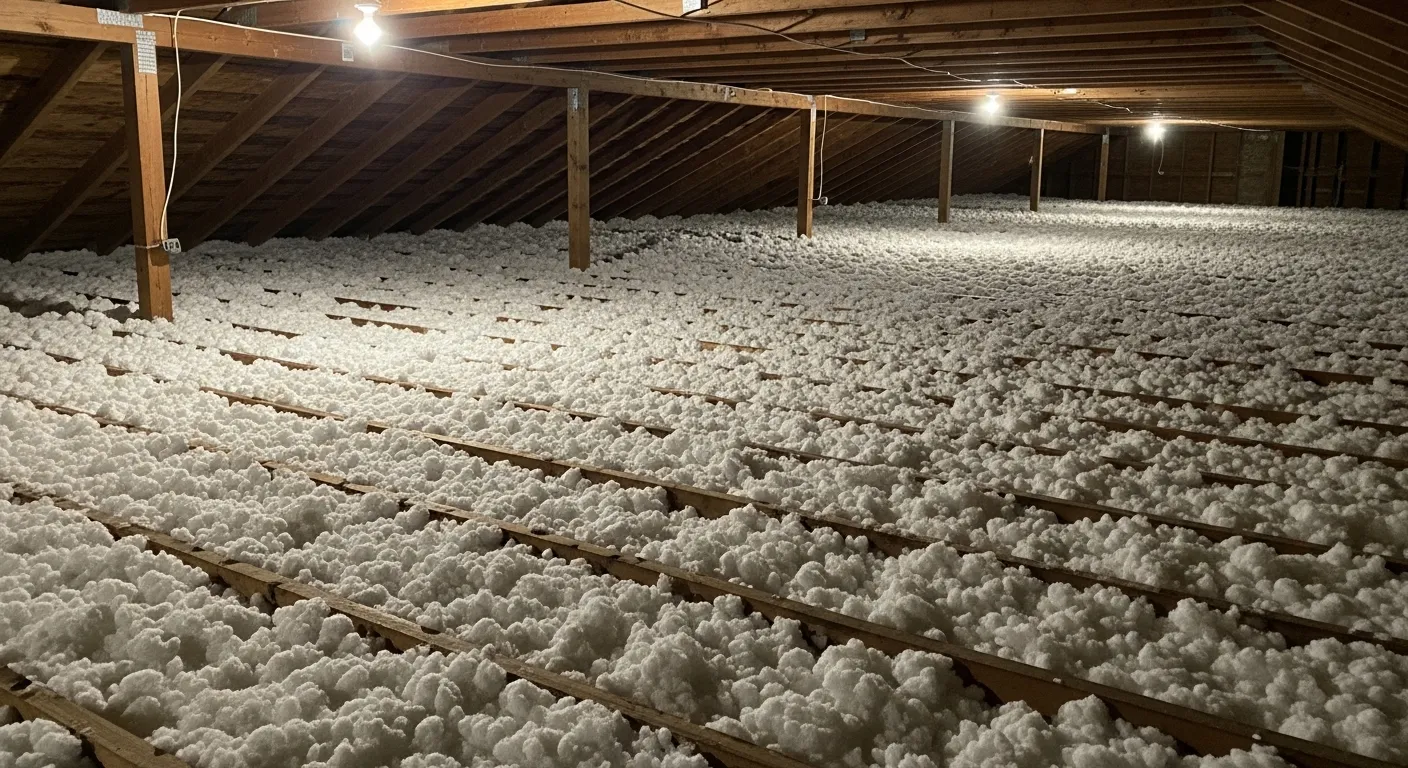
Common Signs That Indicate It Is Time for Replacement
Recognizing early warning signs helps avoid higher energy bills and structural issues. These indicators often appear gradually, so regular inspection is important.
Uneven Indoor Temperatures
Rooms may feel too hot in summer and too cold in winter. This often points to insulation that no longer performs evenly across the attic.
Rising Energy Bills Without Clear Reason
If utility costs increase despite normal usage, insulation may be allowing air leakage or heat transfer.
Visible Damage or Compression
Insulation that looks flattened, damp, or disturbed has likely lost its effectiveness. This is common in older fiberglass materials.
Pest or Rodent Activity
Contaminated insulation should always be replaced. Pests can damage material and leave behind harmful waste.
Bonus Tip
- If insulation appears uneven or patchy, a full replacement often works better than spot repairs.
How Long Different Types of Insulation Last
Not all insulation materials age the same way. Understanding their lifespan helps determine when replacement is necessary.
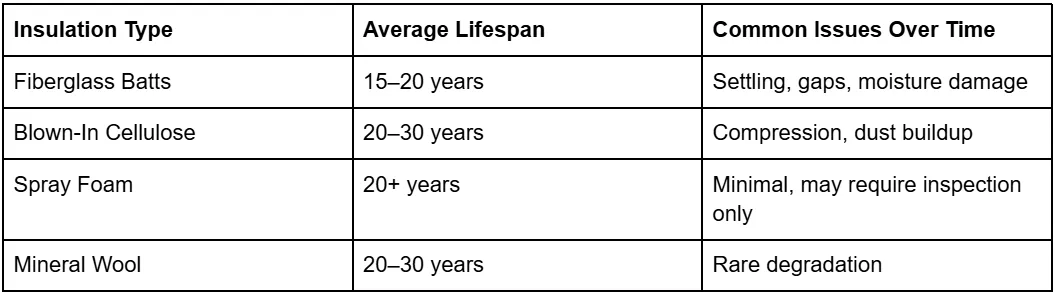
Even if insulation reaches its expected lifespan, performance may decline earlier depending on environmental conditions and installation quality.
How Climate Affects Insulation Replacement Timing
Climate plays a major role in how insulation performs over time. In warmer regions like Central California, attic temperatures can exceed 130°F during summer months.
This constant heat exposure can break down certain insulation materials faster. Dust accumulation and dry air can also affect performance by reducing the insulation’s ability to trap air.
Homes in these regions often benefit from upgrading to higher R-value insulation sooner than expected. Improved insulation reduces heat gain and keeps cooling systems from overworking.
Bonus Tip
- Installing radiant barriers along with insulation can further reduce attic heat in hot climates.
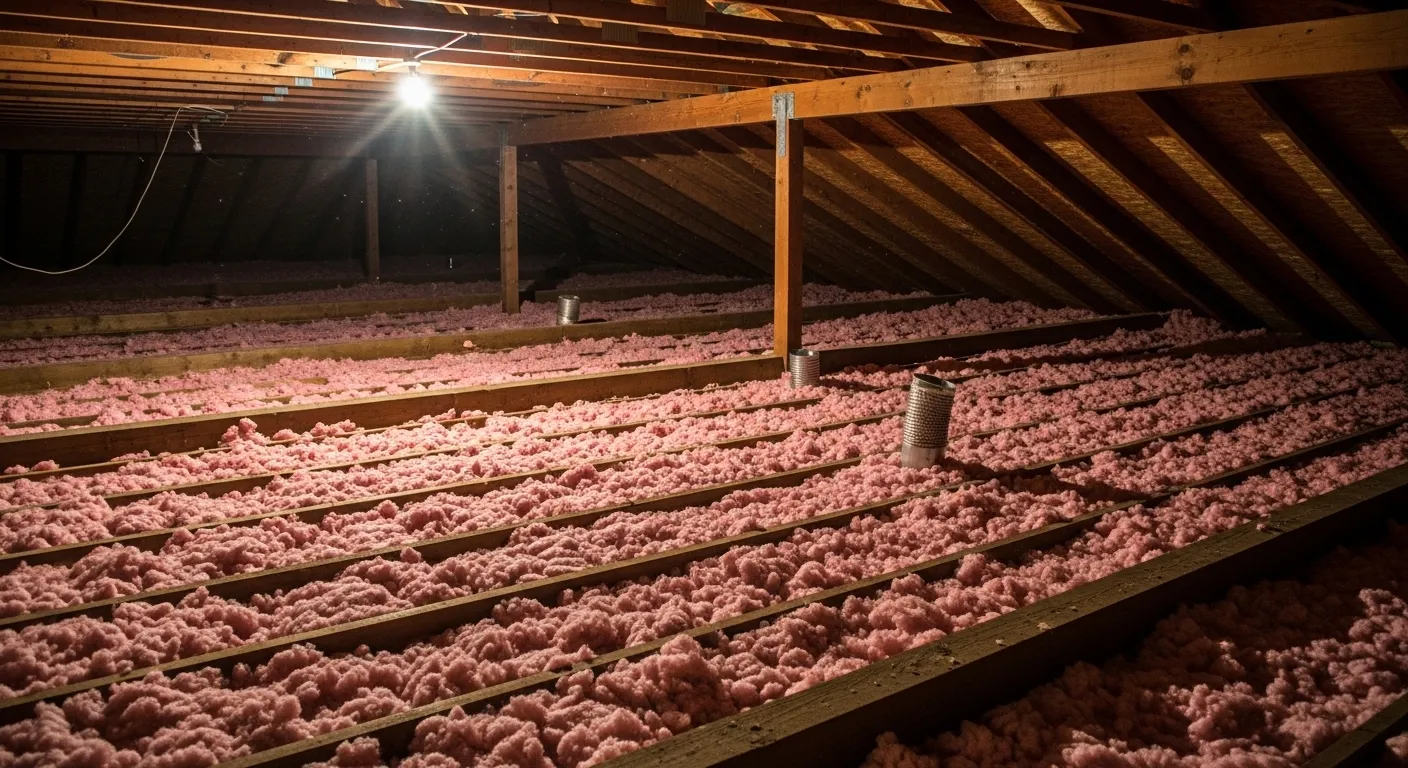
What Happens If You Delay Replacement
Delaying insulation replacement can lead to several issues that go beyond comfort. Over time, small inefficiencies turn into larger operational problems.
Energy waste is the most immediate concern. As insulation performance drops, heating and cooling systems run longer, increasing wear and energy costs.
Moisture buildup is another risk. Damaged insulation can allow condensation, which may lead to mold growth or wood damage in attic structures.
Indoor air quality may also decline. Contaminated or deteriorating insulation can release particles into living spaces, especially if air sealing is poor.
How to Assess Insulation Performance Before Replacing
Before replacing insulation, a proper assessment helps determine the right approach. Not all situations require full removal, but many benefit from a complete upgrade.
Professionals typically inspect insulation depth, condition, and coverage. They may also check for air leaks, ventilation issues, and moisture signs.
Energy audits often reveal hidden inefficiencies. Homes with poor attic insulation frequently show higher energy loss during testing.
Bonus Tip
- Measuring insulation depth against recommended R-values helps determine if current levels meet modern standards.
What Should You Evaluate Before Replacing Attic Insulation
Before making a decision, several factors should be reviewed to ensure the best outcome. Each property has different needs based on structure, climate, and usage.
The current condition of insulation is the first factor. If damage is widespread, full replacement is often more effective than partial upgrades.
Budget planning also matters. While replacement requires upfront investment, energy savings can offset costs over time.
Ventilation should be checked as well. Proper airflow in the attic prevents moisture buildup and supports insulation performance.
Local climate conditions influence material choice. In hot areas, higher R-values and heat-resistant materials provide better results.
How New Insulation Improves Efficiency and Comfort
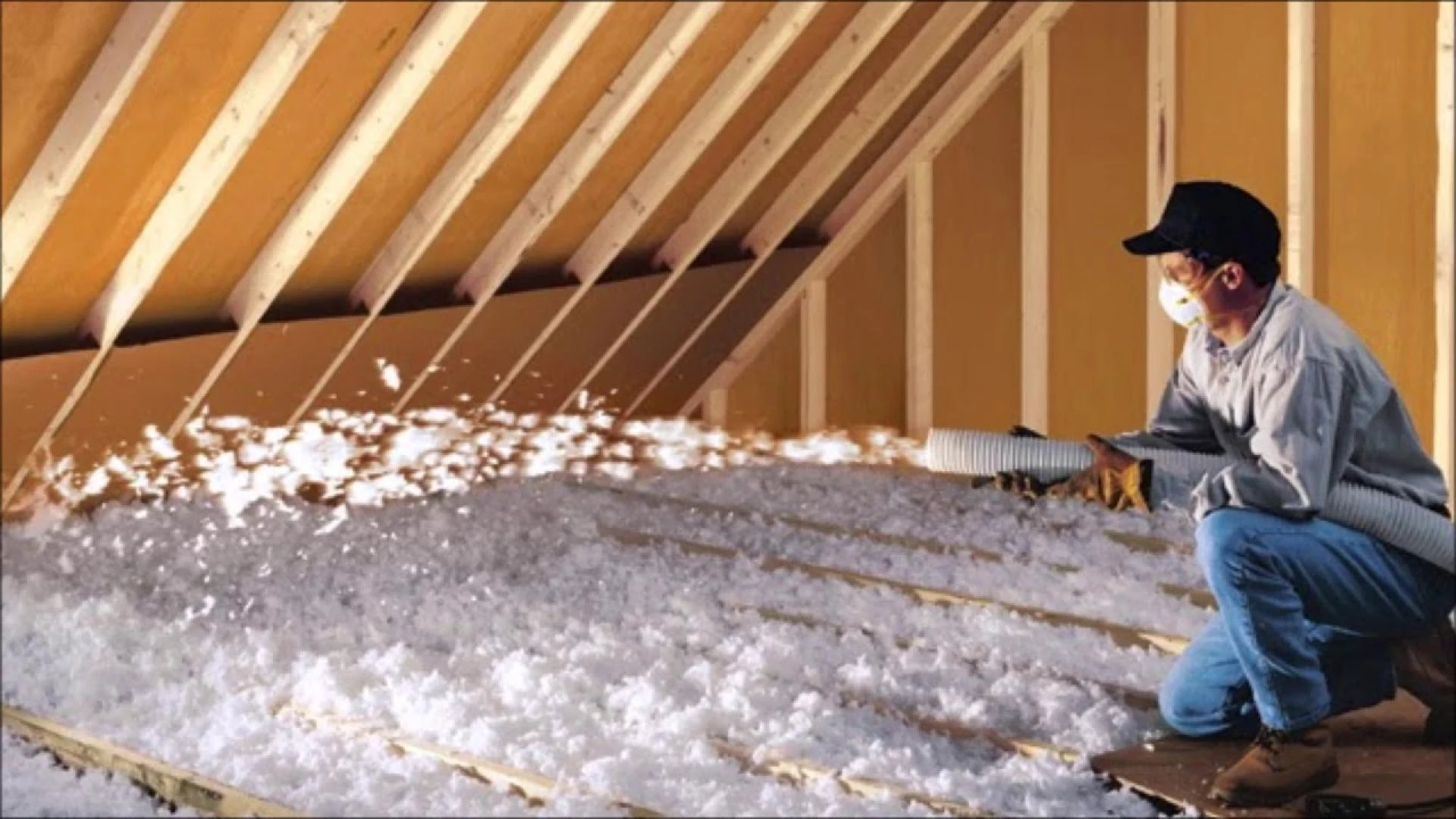
Replacing attic insulation improves both energy efficiency and indoor comfort. New materials provide better coverage and reduce heat transfer more effectively.
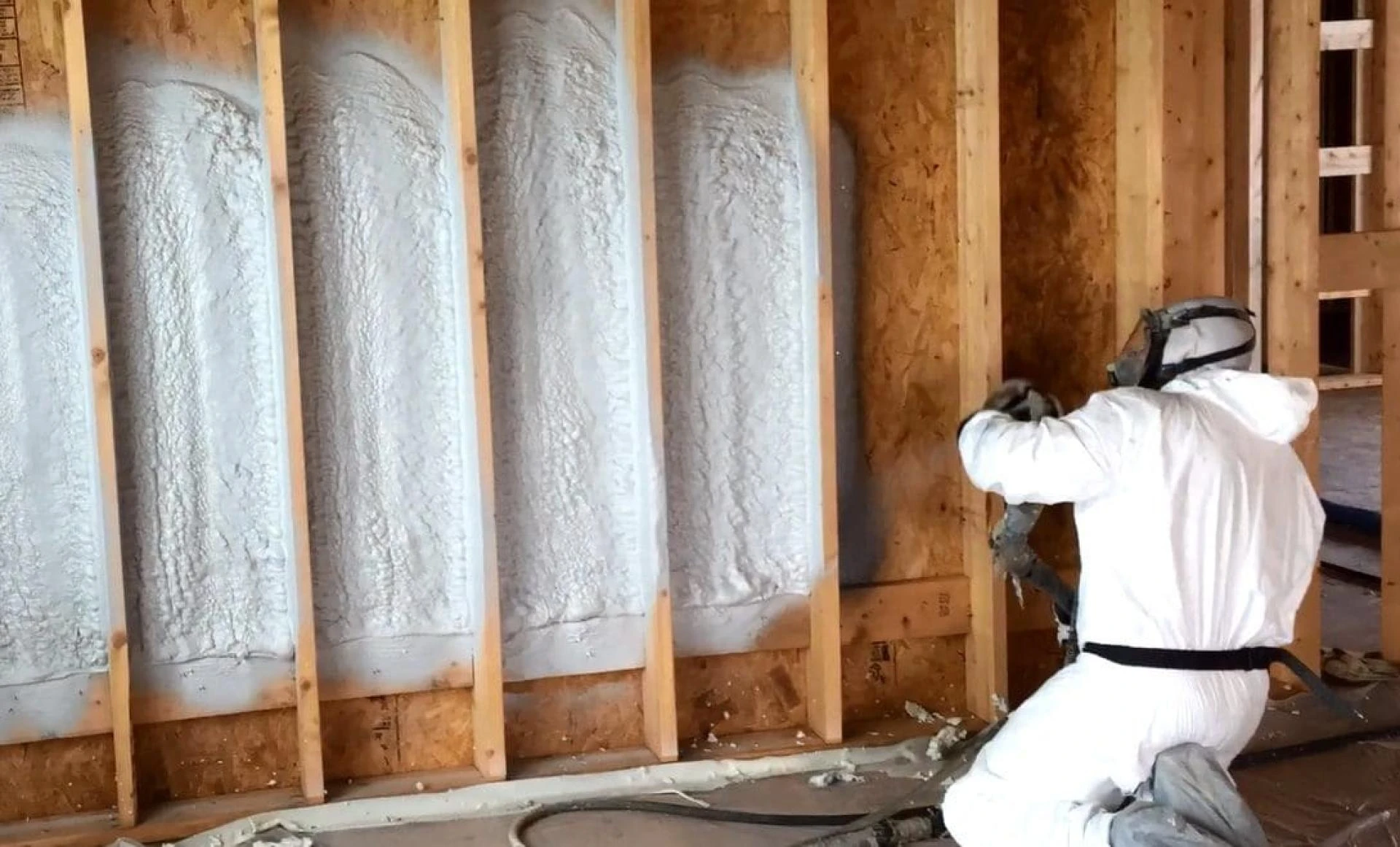
Modern insulation solutions often include improved air sealing. This prevents conditioned air from escaping and outdoor air from entering.
Better insulation also reduces strain on HVAC systems. This leads to fewer repairs and longer equipment lifespan.
Market data shows that energy-efficient upgrades, including insulation replacement, can reduce household energy consumption by up to 30% in many cases.
Key Takeaways for Better Insulation Performance
Replacing attic insulation at the right time helps maintain energy efficiency, indoor comfort, and structural health. Signs such as rising energy bills, visible damage, and uneven temperatures often indicate the need for replacement.
Evaluating insulation conditions, climate impact, and long-term savings helps guide the decision. A well-timed upgrade can improve performance for many years while lowering operating costs.
Get Professional Help to Evaluate and Replace Attic Insulation with a Free Quote
For property owners unsure about the condition of their attic insulation, working with experienced professionals can provide clarity. A proper inspection helps identify whether replacement is necessary and which materials will perform best.
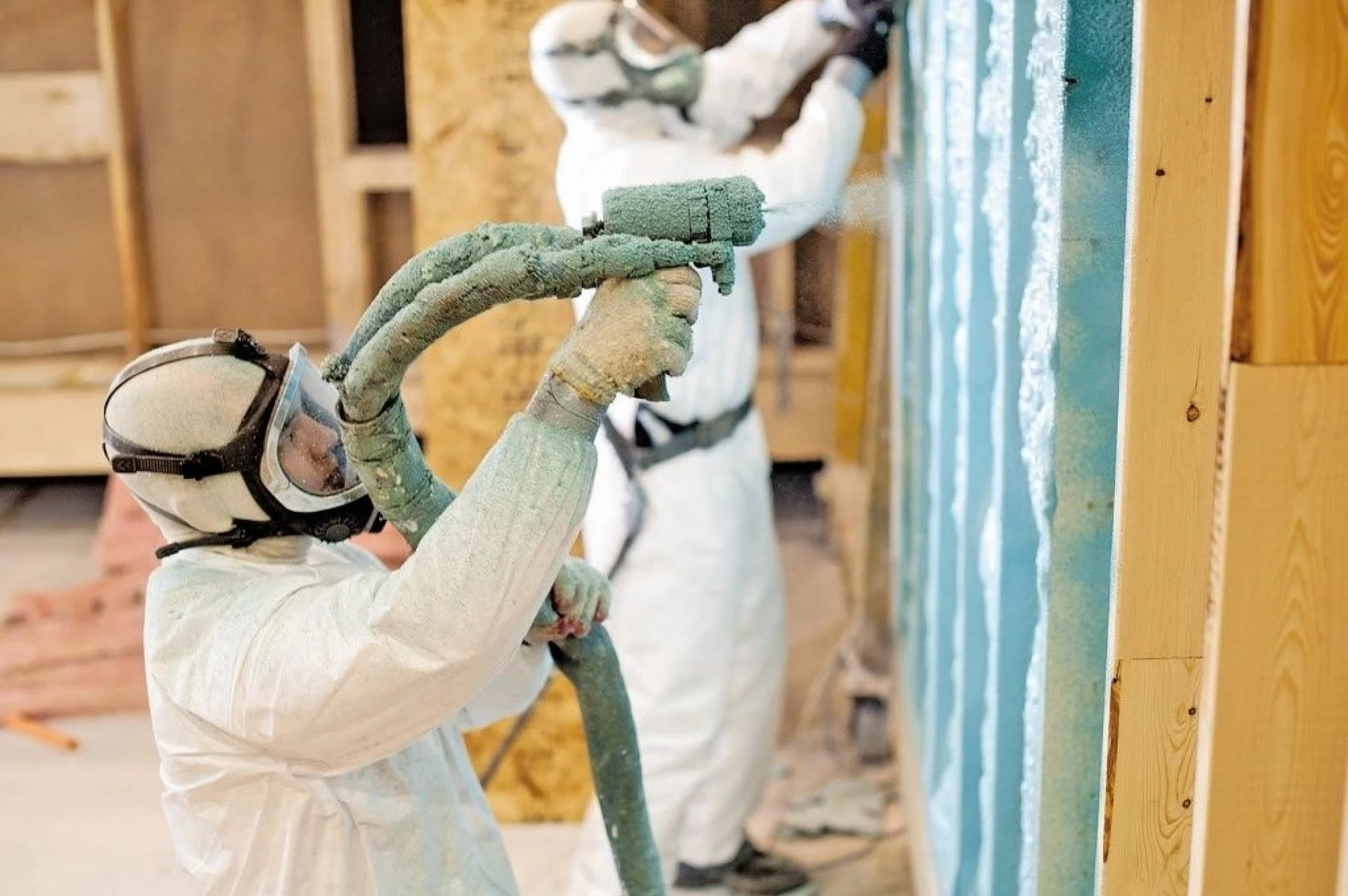
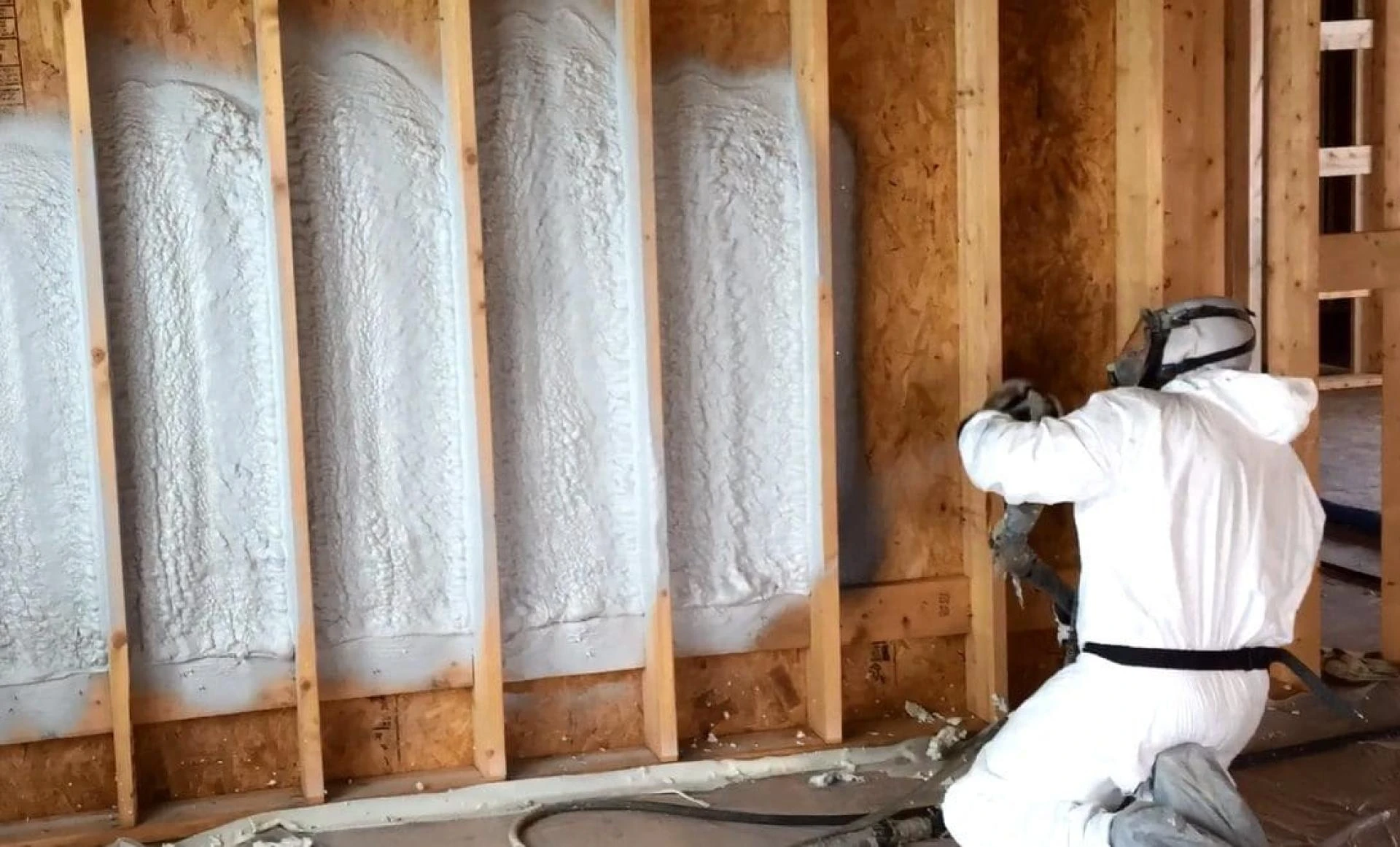
Supreme Spray Foam – Fresno offers attic insulation evaluations and replacement services tailored to local climate conditions. They assess insulation performance, recommend suitable solutions, and handle installation efficiently. For project discussions or a free quote, they can be reached at (559) 545-0800 or [email protected]. Their team helps ensure insulation upgrades align with long-term energy and comfort goals.
Common Questions About Attic Insulation Replacement
How often should attic insulation be replaced?
Most insulation should be evaluated after 15 to 20 years, though replacement timing depends on condition and performance.
Can new insulation be added over old insulation?
In some cases, yes. If the existing insulation is dry and undamaged, adding new layers can improve performance.
Does insulation replacement reduce energy bills immediately
Energy savings often begin soon after installation, especially if the previous insulation was ineffective.
Is attic insulation replacement messy
Removal of old insulation can be messy, but professionals use equipment to manage dust and debris.
What R-value is recommended for attic insulation
Recommended R-values vary by region, but higher R-values are typically better for hot climates to reduce heat gain.


























Sign in to leave a comment.