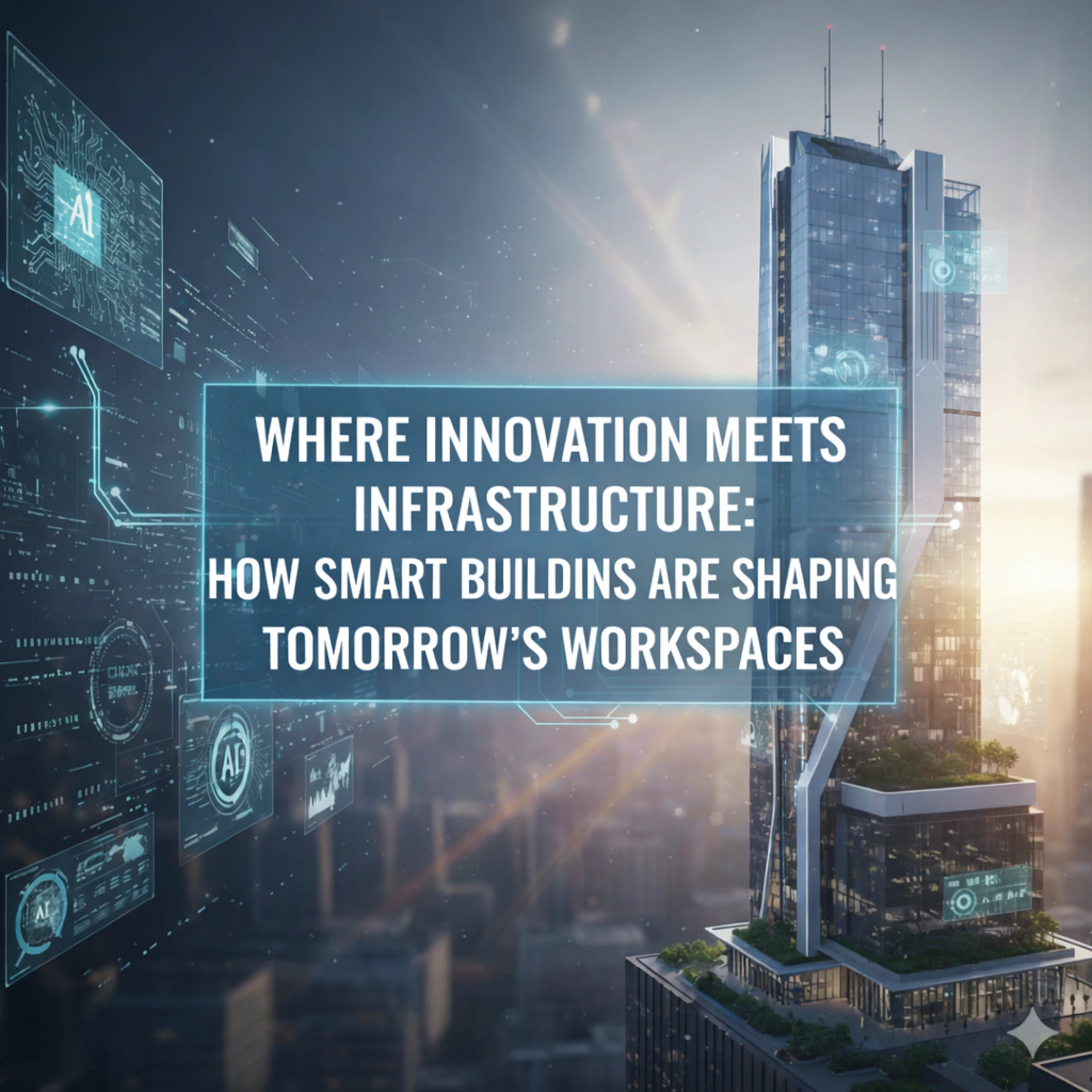

Walking into a modern office today feels different than it did just a few years ago. Lights adjust automatically. Temperature changes based on how many people are in the room. Meeting spaces book themselves. This isn't science fiction—it's happening right now in buildings across the world. The way we work has changed dramatically. Remote teams, flexible schedules, and hybrid models have become the norm rather than the exception. Buildings need to keep up with these shifts, and that's exactly what smart technology is making possible.
Think about the traditional office building. Someone had to manually check every system, fix things after they broke, and guess how much energy was being wasted. Maintenance teams ran around putting out fires instead of preventing them. Space sat empty while other areas were overcrowded. It was inefficient, expensive, and frustrating for everyone involved.
Now imagine a building that knows what it needs before problems arise. Sensors track everything from air quality to equipment performance. When an air conditioning unit starts showing signs of wear, the system alerts the team weeks before it might fail. This is what happens when innovation meets infrastructure.
The Technology Behind Smart Workspaces
Modern buildings rely on connected devices that talk to each other. These systems collect information constantly, learning patterns and making adjustments. An Enterprise facility management system brings all this data together in one place, giving teams a clear picture of what's happening across entire properties or even multiple locations.
This technology doesn't just react—it predicts. Equipment that used to break down unexpectedly now gets serviced at just the right time through preventive property management approaches. Energy costs drop because systems only run when and where they're needed. Space gets used more efficiently because managers can see exactly how employees move through the building.
The change goes deeper than just automation. These systems help organizations make better decisions about their physical spaces. Should they expand? Downsize? Reconfigure layouts? The data provides answers based on real usage patterns, not guesswork.
What This Means for the People Who Work There
How smart buildings reduce operational costs becomes clear when looking at the employee experience. These aren't just about technology for technology's sake. They're about creating better experiences for the people who use these spaces every day.Employees walk into offices that feel comfortable immediately. They don't struggle to find available meeting rooms or deal with conference technology that doesn't work. Climate control adjusts throughout the day to maintain ideal conditions. Even basic tasks like accessing the building or parking become seamless.
Behind the scenes, teams managing these facilities have tools that make their jobs easier. Instead of juggling multiple systems and spreadsheets, everything lives in one integrated platform. Maintenance requests get tracked automatically. Compliance requirements stay up to date. Reports generate themselves.
Human resource coordination becomes simpler too. When workspace management connects with workforce tools through a Custom HRMS and facility management platform, scheduling and space allocation align naturally. Teams know where to be and when, without constant back-and-forth communication.
The Environmental Impact
Buildings consume enormous amounts of energy. Heating, cooling, lighting, and equipment running 24/7 add up quickly. Smart systems tackle this waste directly.Sensors detect when rooms are empty and adjust accordingly. Lights dim or turn off. Temperature moderates. Equipment powers down. These small changes across hundreds or thousands of spaces make a real difference in energy consumption and carbon footprint.Water usage gets monitored the same way. Leaks that might have gone unnoticed for weeks get flagged immediately. Irrigation systems for landscaping run based on actual weather conditions, not fixed schedules.
Organizations facing pressure to meet sustainability goals find these systems essential. The data proves they're making progress. The automated adjustments ensure efficiency doesn't depend on someone remembering to flip switches or adjust thermostats.
The Business Case
Implementing smart building technology requires investment, but the returns show up quickly. Energy bills drop. Equipment lasts longer with proper maintenance. Space gets utilized more effectively, potentially reducing the need for additional square footage.Perhaps more importantly, these workspaces attract and retain talent. People notice when their environment adapts to their needs. They appreciate not dealing with constantly broken equipment or uncomfortable temperatures. The quality of the physical workspace matters to employee satisfaction.
Property values benefit too. Buildings with modern systems command higher prices and lease rates. They're easier to manage and more appealing to potential tenants who understand the advantages these technologies provide.
Looking Forward
The buildings being designed and constructed today go even further. They're planned from the ground up to integrate smart technology. Artificial intelligence learns from years of data to make increasingly sophisticated decisions. Digital twins—virtual replicas of physical buildings—let managers test changes before implementing them in the real world.
This evolution will continue. As technology becomes more capable and less expensive, even smaller organizations will adopt these approaches. The workplace of tomorrow won't just be smart—it will be intelligent, responsive, and designed around the humans who use it.
The transformation from traditional infrastructure to intelligent workspaces isn't just changing buildings. It's changing how we think about work itself. When the physical environment adapts to support the people and activities within it, everyone benefits. That's the real innovation—creating spaces that serve us better while using fewer resources and causing less stress.Smart buildings represent more than an upgrade. They're a fundamental reimagining of what our workspaces can be.





























Sign in to leave a comment.