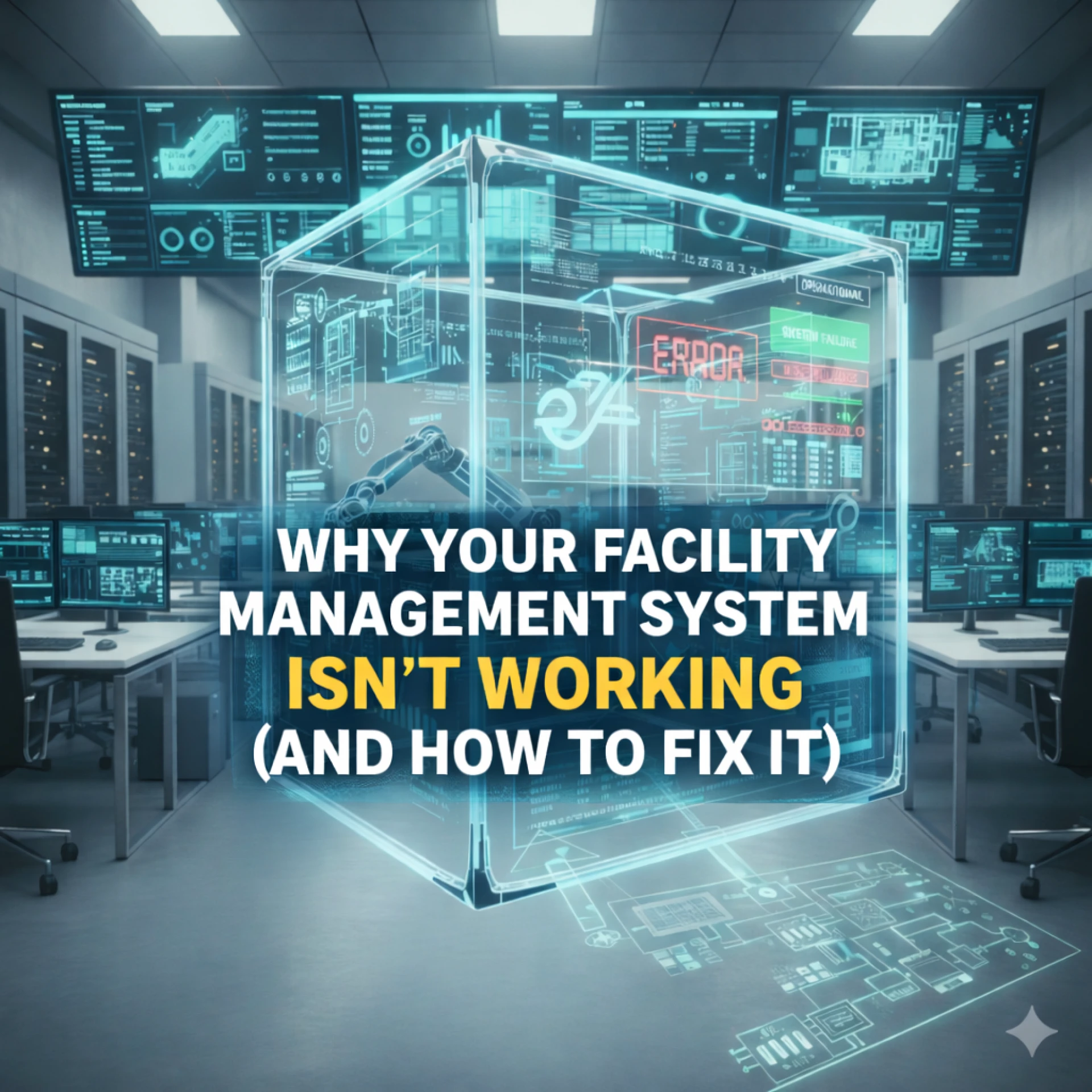

Companies spend months picking the perfect software. They pay thousands of dollars for it. Management gets excited. The sales rep promises it will solve everything.
So why is nobody using the Facility Management System?
There's a building manager whose company bought expensive software two years ago. It's supposed to track everything—repairs, inspections, work orders, the whole deal. But when asked how it was going, he just laughed and said "Everyone still uses email and sticky notes."That's not funny. That's thousands of dollars sitting there doing nothing.
This situation is surprisingly common. Most facility management software fails not because it's bad software, but because of how companies roll it out. Here's what's probably going wrong and how to actually fix it.
Nobody Trained Your Team Properly
This is the biggest problem seen everywhere.
Companies buy software and expect people to just figure it out. They send a link to some boring training videos that nobody watches. Or they do one quick demo where everyone nods along but doesn't really get it.
Then what happens? People get confused. They can't find what they need. They waste time clicking around. Eventually, they give up and go back to doing things the old way.
Here's what actually works: hands-on training with real examples from the building. Not generic tutorials about features nobody will use. Show the maintenance team how to log a repair request for the third-floor bathroom. Show supervisors how to check if the HVAC got serviced last month.And here's the thing—one training session isn't enough. People forget stuff. They need someone they can ask questions when they're stuck. Setting up a buddy system where tech-savvy employees help the others makes a huge difference. Check-ins after a few weeks help identify what's confusing people.
You're Trying to Track Too Much at Once
It's tempting to use every feature right away since the software can do everything. That's a mistake.
When companies try to track every single thing on day one, it overwhelms everyone. Teams get buried in data entry. They spend more time updating the system than actually fixing problems. That's when they start hating it.Starting small works better. Pick one thing that's causing headaches right now. Maybe it's tracking work orders so nothing falls through the cracks. Maybe it's scheduling routine maintenance so equipment doesn't break at the worst possible time.
Get that one thing working smoothly first. Let people get comfortable with it. Build some early wins so everyone sees the benefit. Then slowly add more features over the next few months.A preventive property management approach works the same way—fixing everything at once doesn't work. Prioritizing what matters most and building from there produces better results.
The System Doesn't Fit How Your Team Actually Works
This is a major issue. Software companies design their products based on what they think businesses need. But they don't work in every building. They don't know the weird quirks and special situations each facility has.
Maybe the software requires five steps to create a work order, but maintenance staff need to report problems quickly while walking around the building. That's not going to work.Or maybe the system wants everything categorized perfectly, but the team doesn't think in categories. They just know "the AC on the second floor is making that noise again."
Customizing the software to match the workflow works better than forcing teams to match the software. Most systems allow adjustments—simplifying forms, changing categories, setting up shortcuts. Using those options makes a big difference.
If something in the software is clunky and nobody's using it, complaining doesn't help. Figure out how to make it easier. Sometimes that means calling support and asking if there's a better way to do something.
Your Vendors Aren't Connected to the System
Here's a problem that doesn't get enough attention. Facility software is only useful if everyone who works on the building actually uses it.But if the HVAC contractor still calls on the phone to schedule appointments, and the cleaning company still emails invoices, and the landscaper still texts about problems, then half the information is still scattered everywhere.
A proper vendor management system connects all contractors to the main platform. They can log in, see their scheduled work, update job status, and submit invoices all in one place. No more hunting through emails or playing phone tag.
Getting vendors on board takes effort. Companies have to reach out to them. Show them how it makes their life easier too—they get paid faster, they know exactly what needs to be done, they don't have to repeat information five times.Some vendors will resist. That's okay. Start with the ones who are willing. The others will come around when they see how smooth it works.
Nobody's Looking at the Data
This might sound weird, but sometimes facility software fails because it's working too well.
The system collects all this information—maintenance history, cost tracking, energy usage, whatever. But then nobody actually looks at it. It just sits there in reports that nobody opens.That's a waste. The whole point of having software is to spot patterns and make better decisions.
Setting aside time each month to review what the system is showing helps tremendously. Which equipment breaks down most often? Which repairs cost more than they should? Are there maintenance tasks that keep getting delayed?
Using that information to actually change things makes the difference. If the same problem keeps happening, maybe it's time to replace that equipment instead of fixing it again. If certain tasks always run late, maybe the schedule is unrealistic.Data only helps when people actually use it to improve.
The Real Fix
Facility management software isn't easy. It takes work to implement properly.But here's what works time and time again: companies that treat the software as a tool for their people, not a replacement for their people, always do better.
Train properly. Start small. Customize it to fit the workflow. Connect the vendors. Actually use the information it gives.Do those things, and that expensive software sitting there doing nothing will finally start earning its keep.
Teams might even start liking it. Stranger things have happened.






















Sign in to leave a comment.