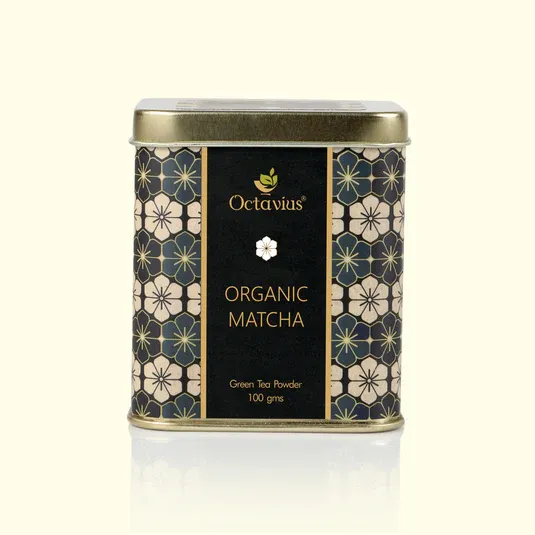

I'll be honest — the first time someone handed me a cup of matcha tea, I didn't get it.
It was green. Kind of grassy. A little bitter. I smiled politely and thought, "okay, not for me."
Then I tried it again. And again. And somewhere around the third cup, something clicked. Now I make it almost every morning.
If you're at that stage where you're curious but don't know where to even buy it — this is for you. No fluff, no fancy tea talk. Just what you actually need to know.
Wait, What Is Matcha Exactly?
You've seen it. That bright green powder that cafés use to make those pretty lattes.
Here's what makes it different from your regular green tea: with normal tea, you put a tea bag in water, wait a bit, pull it out, and drink. The leaves are gone. With matcha, the leaves are ground into powder and you mix that powder straight into your drink. So you're actually consuming the whole leaf.
That's why matcha hits differently. It wakes you up — but gently. No heart racing, no mid-morning crash. Just a clean, focused kind of energy.
The taste is earthy, a tiny bit sweet, slightly bitter. Think of it like coffee — you probably didn't love your first cup either.
Okay, So Where Do You Buy It?
Let's get into it.
Online Shopping — Start Here
This is genuinely the easiest way. You sit at home, browse a few options, read what other people are saying about it, and it lands at your door. Done.
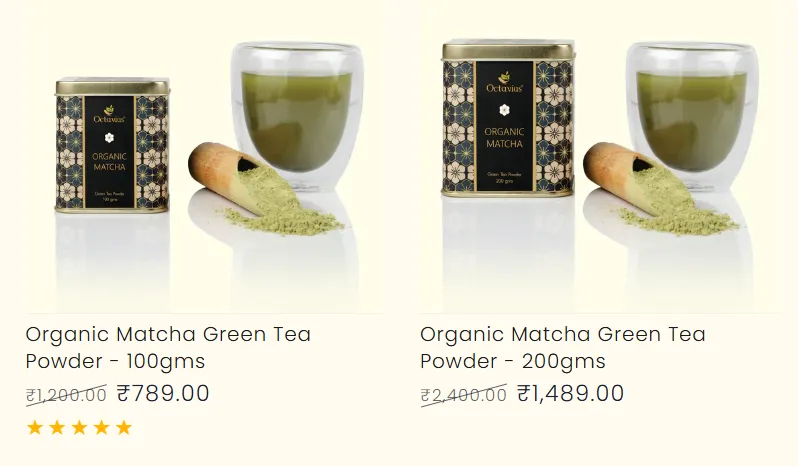
When it comes to brands, Octavius Tea is one I'd point people toward without hesitation. They've been in the tea business for over 175 years. That kind of history doesn't happen by accident — it happens because the product is actually good.
You can find Octavius matcha on their website or on platforms like Amazon. It takes two minutes to find, and you'll know exactly what you're ordering.
One tip: buying directly from the brand's website usually means fresher stock. Matcha that's been sitting in a warehouse for months isn't doing you any favors.
Your Nearby Grocery Store
Most big supermarkets carry matcha now — usually in the tea aisle or somewhere near the health food stuff. It's worth a quick look.
But be honest with yourself here. The selection is usually just one or two options, and they're not always the best quality. It's fine in a pinch, but if you're trying matcha for the first time and want a good experience, grocery store matcha might not be the most exciting intro.
Health Food and Organic Stores
These places almost always have matcha, and usually a better version of it. The staff tend to actually know what they're selling, which helps when you have questions.
If there's a store like this near you, pop in. Ask someone. Most of the time they're happy to chat about it.
A Proper Tea Shop
If you're lucky enough to have one in your area, go. Tea shops take this stuff seriously. They'll have a few different grades, they can explain the difference, and sometimes you can smell or sample before buying.
It's a good experience, especially the first time.
That Café Down the Street
You know the one — the place that always has matcha lattes on the menu. Some of these cafés sell the powder too. Just ask. Since they're using it daily, it's usually decent stuff.
How Do You Know If It's Good?
This is the part most people skip — and then wonder why their matcha tastes like grass clippings.
The color tells you a lot. Good matcha is vibrantly green. Like, almost unnaturally green. If the powder looks pale or yellowy or just kind of dull — it's old. Old matcha doesn't taste good. Move on.
Rub a pinch between your fingers.** It should feel silky smooth, almost like flour but even finer. If it feels rough or gritty, it won't dissolve properly in your drink.
Give it a sniff. Fresh matcha has this gentle grassy smell, a little sweet. Stale matcha smells like nothing. Or worse — like a damp paper bag. If that's what you're getting, leave it on the shelf.
Know which grade you want:
Ceremonial grade is for drinking. It's made from younger leaves, processed more carefully, and it tastes noticeably smoother. If you're making a cup of matcha to actually enjoy, this is the one.
- Culinary grade is for cooking. Baking matcha cookies, blending into smoothies, mixing into oats. It's more bitter and stronger in flavor, which works well when you're mixing it with other things. Drinking it plain though? Not the best experience.
Why Octavius Makes Sense — Especially If You're New to This
When you're trying something new, you don't want to mess around with dodgy products and figure out later that you bought low-grade powder with questionable sourcing.
Octavius takes that worry off the table. They've spent 175+ years building a name around tea that's actually worth drinking. Their matcha is sourced properly, packed fresh, and it tastes like it should.
There's no mystery with them. You know what you're getting.
For anyone just starting out with matcha — that reliability matters more than you'd think.
Once You Buy It, Store It Right
Matcha is a bit fussy about where it lives.
Keep it somewhere cool and dark. A kitchen cabinet away from the stove is perfect. It doesn't like heat, it doesn't like sunlight, and it really doesn't like moisture — any of those things will mess with the flavor fast.
Once you open it, use it within three to six months. It won't go bad exactly, but the taste fades. The bright, fresh flavor you loved at the start starts going flat.
If you want to refrigerate it, go ahead — just make sure the lid is completely sealed. Matcha absorbs smells, and fridge-flavored matcha is exactly as unpleasant as it sounds.
What's It Going to Cost?
Here's a honest breakdown:
200–₹500 — Entry-level stuff. Fine for baking or experimenting. Don't expect to be blown away drinking it straight.
- ₹500–₹1,200 — This is the sweet spot. Good everyday matcha that actually tastes nice.
₹1,200 and up — Premium ceremonial grade. Smooth, rich, the kind you sip slowly and actually enjoy.
Octavius sits comfortably in that mid-to-upper range — real quality without going overboard.
And here's something people don't realize: matcha goes a long way. You use maybe half a teaspoon per cup. A 50g or 100g tin isn't going to disappear in a week.
The Short Version
Where | Worth It? |
Octavius website | Yes — fresh, reliable, easy |
Amazon / shopping apps | Yes — convenient, good reviews |
Grocery store | Maybe — quick but limited |
Health food store | Yes — better quality, helpful staff |
Tea shop | Definitely — best experience |
Local café | Sometimes — ask first |
Last Thing
You don't need to overthink this.
Pick a trusted brand — Octavius is a solid starting point. Order online if you want it easy, or walk into a tea shop if you want the full experience. Look for that bright green color, smooth texture, and fresh smell. Go for ceremonial grade if you're drinking it, culinary if you're cooking with it.
That's really all there is to it.
Try one cup. Make it properly. Give it a fair chance.
There's a reason so many people get hooked on this stuff — and you might just be next.





























Sign in to leave a comment.