

Homes today often feel filled with mass-produced furniture and identical decorative items. Many homeowners want interiors with more personality, history, and originality, but finding pieces that truly stand out can be difficult. That is why vintage home decor has become increasingly popular across the United States. People are searching for older items that bring character, craftsmanship, and a sense of authenticity into modern living spaces. The challenge is that finding quality vintage items is not always easy.
Many buyers waste money on damaged furniture, overpriced collectibles, or low-quality reproductions that fail to last. Some people also avoid older décor entirely because they assume restoration is expensive or complicated. As a result, they miss opportunities to create homes with unique and meaningful design elements. This problem becomes more frustrating as retail furniture prices continue rising. According to the U.S. Bureau of Labor Statistics, furniture and home furnishing prices increased significantly over the last several years due to supply chain disruptions and material costs.
Meanwhile, many well-built vintage items remain available at reasonable prices through secondhand markets, estate sales, and local auctions. The good news is that restoring and decorating with vintage pieces is more accessible than many people think. With basic knowledge about sourcing, cleaning, refinishing, and styling, homeowners can turn older items into valuable parts of their interiors. Understanding where to search and how to restore properly makes the process far more rewarding and affordable.
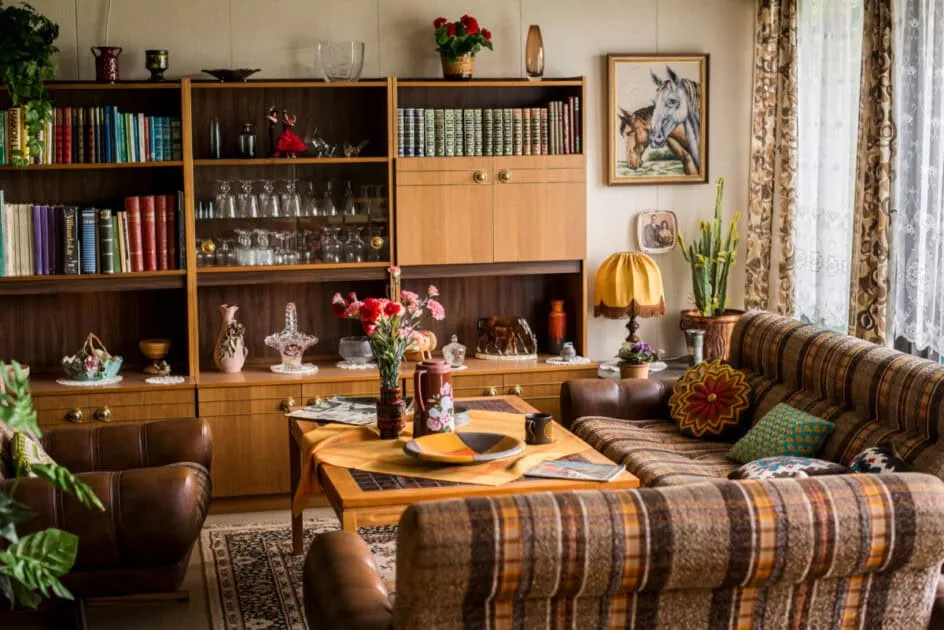
Why Vintage Pieces Are Becoming More Popular
The growing demand for vintage home decor reflects a larger shift in how people think about interior design. Homeowners are becoming less interested in temporary trends and more focused on creating spaces that feel personal and long-lasting. Older decor items often provide a level of craftsmanship that is difficult to find in modern mass-produced furniture. Social media platforms have also played a major role in this trend.
Interior designers and home renovation influencers regularly showcase vintage finds in modern homes, inspiring people to mix old and new styles together. This approach creates rooms that feel layered and lived-in instead of overly staged. A resale market report from the American Home Furnishings Alliance showed that secondhand furniture sales increased steadily between 2020 and 2025.
Consumers specifically searched for items made from solid wood, handmade ceramics, and restored lighting fixtures because they viewed them as more durable and environmentally responsible. I personally became more interested in vintage interiors after helping a friend redesign his small apartment in Seattle. Instead of buying a full set of matching furniture, we mixed older wood cabinets with newer seating and lighting. The result felt warmer and more natural than many showroom-style interiors I had seen before.
Best Places to Find Hidden Vintage Treasures
One of the biggest advantages of vintage shopping is the variety of places where unique pieces can be discovered. Estate sales remain one of the best options because they often include original household furniture and decorative items that have been preserved for decades. Prices can also be surprisingly reasonable compared to antique stores. Flea markets and antique malls are another popular source for vintage home decor.
These locations allow buyers to compare styles, materials, and prices in person while discovering pieces that may not appear online. Many experienced collectors recommend arriving early because the best items often sell quickly. Online marketplaces have also transformed the vintage furniture industry. Websites like Facebook Marketplace, Chairish, and Craigslist allow homeowners to search locally for furniture, mirrors, lamps, and artwork. However, buyers should inspect items carefully because photos may not fully show damage or repairs.
A furniture reseller in Texas shared a case study showing how demand for restored sideboards and coffee tables increased nearly 40% in just three years. Customers preferred locally sourced vintage items because they felt more unique than large retail store collections. I always recommend checking thrift stores regularly because inventory changes constantly. Some of the best vintage finds appear unexpectedly, especially in smaller towns where people donate older furniture without realizing its value.
How to Spot Quality Before Buying
Not every older item is worth restoring. Understanding how to identify quality pieces can prevent wasted money and frustration later. Solid wood construction is usually one of the clearest signs of durability. Furniture made from oak, walnut, teak, or maple generally lasts much longer than particleboard or laminate materials. Buyers should also examine joints, drawer construction, and hardware carefully. Dovetail joints, sturdy legs, and smooth drawer movement often indicate stronger craftsmanship.
Loose screws and surface scratches can usually be repaired, but structural instability may require more extensive restoration work. Vintage designer furniture has become especially valuable because collectors appreciate both craftsmanship and historical significance. Items associated with well-known designers or manufacturers often hold their value better than generic reproductions. Labels, maker’s marks, and original tags can help confirm authenticity. Condition matters, but minor imperfections should not automatically discourage buyers. Small scratches, faded finishes, and worn upholstery are normal signs of age.
In many cases, these problems can be repaired with basic restoration techniques and patience. I once purchased a heavily scratched walnut side table from a flea market for less than fifty dollars. After sanding and refinishing the surface over a weekend, it became one of the best-looking pieces in my living room. Experiences like that show how much potential older furniture can have.
Cleaning and Restoring Old Furniture Properly
Restoration does not always require professional equipment or expensive materials. Many vintage home decor pieces simply need proper cleaning and minor repairs to regain their appearance. The first step is always removing dirt, grease, and dust buildup that accumulates over time. Wood furniture should usually be cleaned with mild soap and water before applying any restoration products. Harsh chemical cleaners can damage finishes and reduce value. After cleaning, homeowners can evaluate scratches, dents, or discoloration more accurately.
Sanding is often necessary for heavily worn surfaces, but it should be done carefully. Removing too much material can weaken the furniture or erase important details. Once sanding is complete, wood stains and protective finishes can restore color and durability. Metal hardware may also need attention. Brass handles and drawer pulls often develop tarnish after decades of use, but polishing can improve their appearance significantly.
Replacing hardware completely may reduce authenticity, especially on collectible items. Many restoration businesses across the United States now specialize in vintage designer furniture because consumer interest continues growing. These companies often repair upholstery, refinish wood surfaces, and restore damaged structural elements while preserving original design details.
Restoring Upholstery and Fabric Pieces
Fabric restoration can completely transform older furniture. Chairs, benches, and sofas often remain structurally strong even when upholstery becomes worn or outdated. Replacing fabric allows homeowners to preserve quality construction while updating the appearance for modern interiors. Neutral fabrics usually work best because they blend easily with different decorating styles. Durable materials such as linen blends and performance fabrics also handle daily use more effectively than delicate textiles.
Many homeowners now prefer practical upholstery solutions that combine comfort with easy maintenance. Professional upholstery services may seem expensive initially, but restoring quality vintage frames is often more cost-effective than purchasing new high-end furniture. According to a report from the Sustainable Furnishings Council, many consumers now choose restoration specifically to reduce waste and avoid disposable furniture trends. I noticed this firsthand while visiting a restoration workshop in Chicago last year.
The owner explained that younger homeowners were bringing in older dining chairs and sofas inherited from relatives instead of replacing them entirely. They wanted updated fabrics while preserving family history and craftsmanship. Textiles also help connect older décor with modern interiors. A restored chair paired with contemporary lighting or artwork creates balance without making the room feel outdated.
Styling Vintage Pieces in Modern Homes
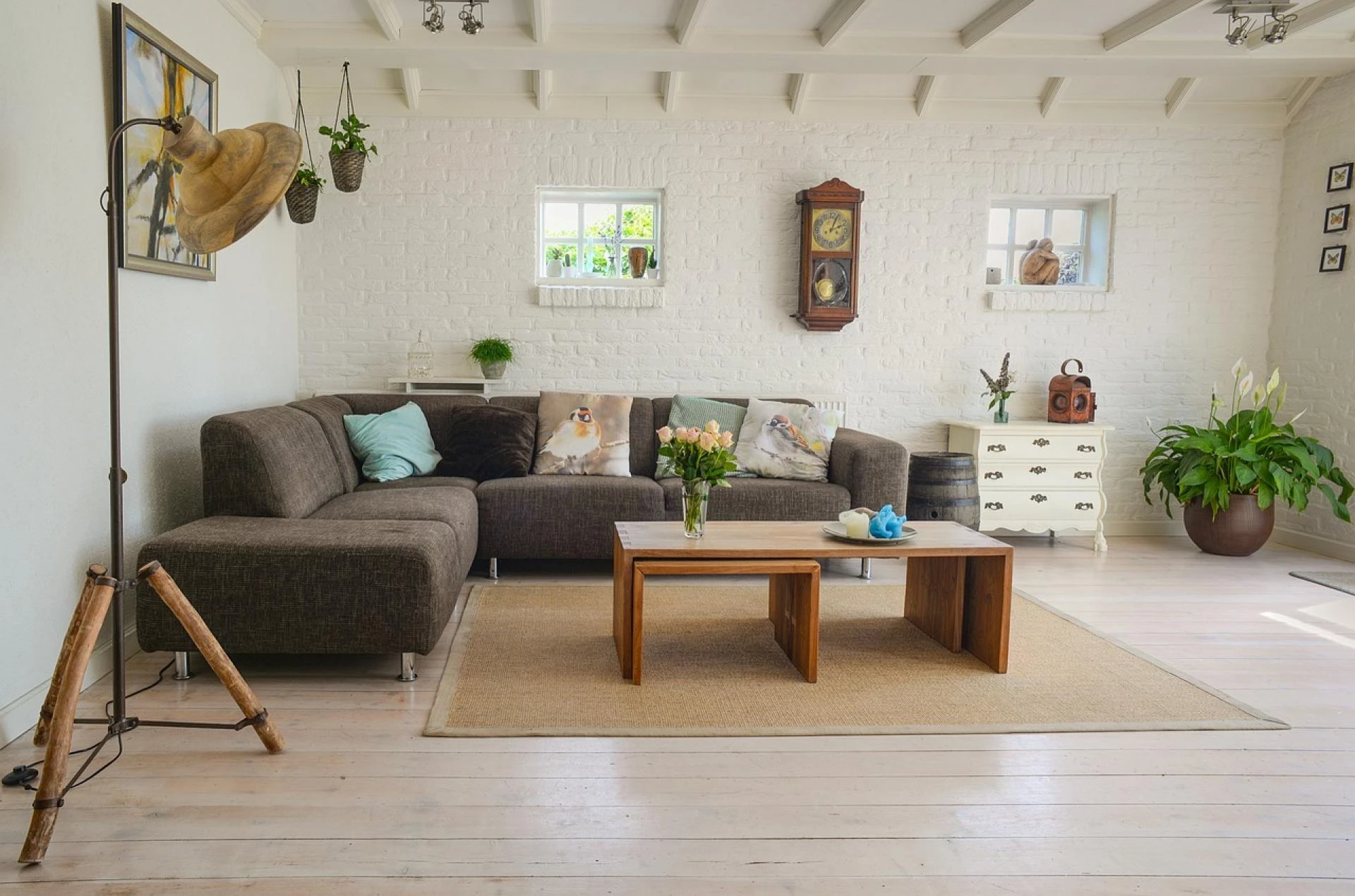
Decorating with older furniture does not mean turning a home into a museum. The best interiors usually combine vintage and contemporary elements in a balanced and natural way. Mixing styles creates depth and personality without overwhelming the space. Vintage home decor works especially well when paired with simple modern furniture. A restored wood cabinet, antique mirror, or retro lamp can become a focal point within a clean and minimalist room. This contrast keeps interiors visually interesting while maintaining functionality.
Lighting also plays an important role in highlighting restored furniture. Warm lighting enhances wood textures and creates a comfortable atmosphere that complements vintage materials naturally. Many designers recommend using layered lighting to draw attention to unique decorative details. Artwork and accessories should remain selective rather than excessive.
Too many decorative items can make a room feel cluttered quickly. Instead, homeowners should focus on a few meaningful pieces that add character without overwhelming the design. Vintage designer furniture often becomes the centerpiece of a room because it carries both visual appeal and historical value. A single restored lounge chair or sideboard can completely change the atmosphere of a space without requiring major renovation.
Avoiding Common Restoration Mistakes
One common mistake people make is over-restoring furniture. Completely stripping away original finishes or replacing every old detail can reduce value and authenticity. In many cases, preserving natural aging and patina actually improves the character of older pieces. Another mistake is purchasing items without measuring available space first. Vintage furniture often has different proportions compared to modern designs, so homeowners should always confirm dimensions before buying larger items.
Rushing restoration projects can also lead to problems. Paints, stains, and adhesives need proper drying time to achieve durable results. Many beginners become impatient and accidentally damage surfaces by applying products too quickly. A furniture restoration business in North Carolina recently shared that many customers brought in partially damaged projects after attempting complicated repairs themselves.
The company recommended starting with smaller items like side tables or chairs before attempting larger restoration work. I think patience is probably the most important part of successful restoration. Some projects take longer than expected, but the final result often feels much more rewarding than buying something new from a retail store.
Why Vintage Design Continues to Grow
The lasting popularity of vintage home decor comes from its ability to create interiors that feel personal, sustainable, and timeless. Older furniture and decorative pieces often bring warmth and individuality into homes that might otherwise feel repetitive or overly commercial. At the same time, restoring and reusing furniture supports a more environmentally responsible approach to interior design.
Instead of discarding well-built items, homeowners can preserve craftsmanship and reduce unnecessary waste through thoughtful restoration. Vintage designer furniture also continues attracting collectors and everyday homeowners because it combines functionality with historical significance. Many pieces were built during periods when durability and craftsmanship mattered deeply to manufacturers.
As American homeowners continue searching for interiors that reflect personality and long-term value, vintage furniture and décor will likely remain an important part of modern design. Learning where to find these pieces and how to restore them properly allows homeowners to create spaces that feel authentic, practical, and full of character for years to come.


















Sign in to leave a comment.