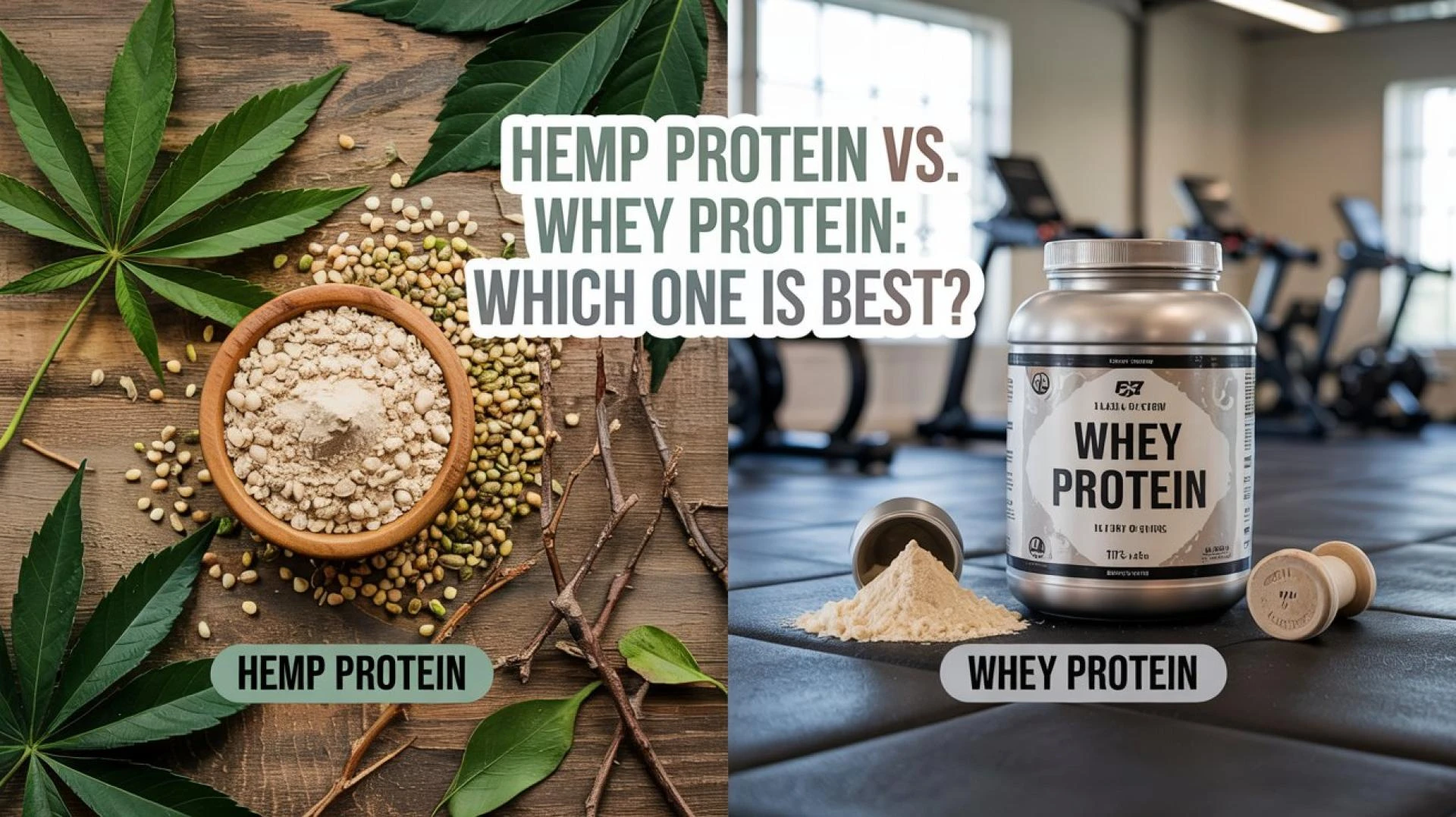

Protein is an essential macronutrient for muscle growth, recovery, and overall health. Among the most popular protein supplements, whey protein and plant protein stand out as top choices. But which one should you choose?
While whey protein has long dominated the market, plant-based protein powders have gained traction, offering an alternative for those with dairy intolerance, allergies, or ethical concerns.
In this in-depth comparison, we’ll explore the differences, benefits, downsides, and scientific research behind whey and plant proteins to help you decide the best option for your fitness goals.
What is Whey Protein?
Whey protein is a complete protein derived from milk during the cheese-making process. It contains all nine essential amino acids and is quickly absorbed by the body, making it a go-to for athletes and fitness enthusiasts.
Benefits of Whey Protein:
- High in Branched-Chain Amino Acids (BCAAs): Leucine, isoleucine, and valine help stimulate muscle protein synthesis.
- Fast Absorption: Ideal for post-workout recovery as it rapidly delivers amino acids to muscles.
- Proven Muscle Growth: Studies show whey protein increases lean muscle mass more effectively than many other protein sources.
10 Superfoods for muscle growth…
- Appetite Control: Helps reduce hunger and supports weight management.
Disadvantages of Whey Protein:
- Lactose Sensitivity: Some individuals experience bloating, gas, or digestive discomfort.
- Animal-Based: Not suitable for vegans or those avoiding dairy.
- Processing & Additives: Many whey protein powders contain artificial sweeteners or additives.
What is Plant Protein?
Plant protein powders come from sources like pea, rice, hemp, soy, and pumpkin seeds. They offer a natural, dairy-free protein alternative while providing additional fiber, antioxidants, and micronutrients.
Benefits of Plant Protein:
- Easier Digestion: Free from lactose, making it gentler on the stomach.
- Rich in Nutrients: Provides fiber, vitamins, and minerals not found in whey protein.
- Better for the Environment: More sustainable, with a lower carbon footprint than dairy-based proteins.
- Heart-Healthy: Many plant proteins contain omega-3 fatty acids and antioxidants that support cardiovascular health.
Disadvantages of Plant Protein:
- Lower in BCAAs: While some plant proteins lack essential amino acids, blends (e.g., pea + rice) can provide a complete profile.
- Slower Absorption: Takes longer to digest compared to whey, but this can be beneficial for sustained energy.
- Taste & Texture: Some people find plant protein grainy or earthy in taste.
Whey vs. Plant Protein: Key Differences
1. Protein Quality & Amino Acid Profile
Whey Protein: A complete protein with a high biological value (BV) of 104, meaning it’s easily absorbed and utilized by the body.
Plant Protein: Some plant sources lack one or more essential amino acids, but well-formulated blends can be complete proteins.
Winner? Whey is naturally complete, but a well-balanced plant protein blend can be just as effective.
2. Muscle Growth & Recovery
Studies show whey protein boosts muscle protein synthesis 30-40% faster than plant protein due to its high leucine content. However, a 12-week study in the American Journal of Clinical Nutrition found no significant difference in muscle gains between those taking whey vs. plant-based protein (as long as total protein intake was sufficient).
Winner? Whey has a slight edge for fast recovery, but plant protein works just as well with proper intake.
3. Digestibility & Gut Health
Whey Protein: May cause bloating or digestive distress in those who are lactose intolerant.
Plant Protein: Generally easier on the stomach and contains fiber, which supports gut health.
Winner? Plant protein for those with digestive issues.
4. Sustainability & Environmental Impact
Whey Protein: Dairy production has a higher carbon footprint, contributing to greenhouse gas emissions.
Plant Protein: Uses fewer resources (water, land) and is more environmentally friendly.
Winner? Plant protein for sustainability.
Final Verdict: Choose whey for faster recovery & muscle growth, and plant protein for digestion & sustainability.
Final Thoughts: Which One Should You Choose?
There’s no single “best” protein—it all depends on your goals and dietary preferences.
✔ If you want quick absorption, muscle growth, and high BCAA content, whey protein is your best bet.
✔ If you prefer a dairy-free, gut-friendly, and sustainable option, plant protein is the way to go.
✔ Best strategy? Use both! Many people combine whey for post-workout and plant protein for general nutrition.
Source: https://timesofhemp.com/hemp-protein-vs-whey-proteins-which-one-is-best/
Which protein do you prefer? Drop your thoughts in the comments!





























Sign in to leave a comment.