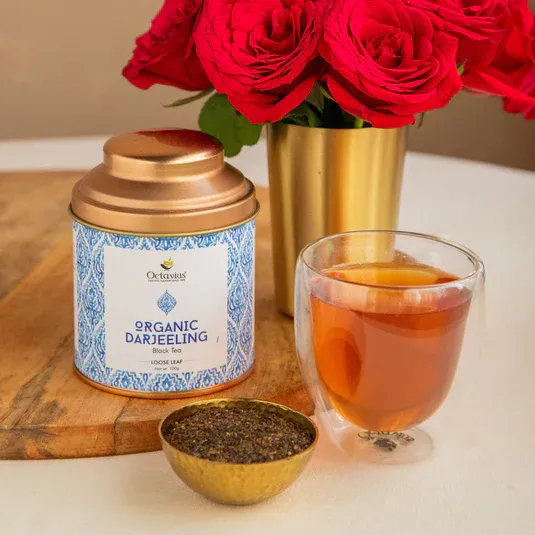

Here's something that catches most people off guard. Darjeeling produces somewhere around 8-10 million kilograms of tea a year. But if you added up everything sold worldwide under the "Darjeeling" label, the number would be way higher than that. So clearly, the maths doesn't work out. A big chunk of what's on shelves calling itself Darjeeling tea has never actually been near the region.
So which Darjeeling tea is authentic, and why should you even care? Real Darjeeling tea comes from registered gardens sitting within the Darjeeling district in West Bengal, carries the official Darjeeling logo or GI certification, and grows at high altitudes under conditions that just can't be copied anywhere else. No certification usually means you're holding a blend, not the genuine article.
Let's get into why this actually matters, and how you can tell the difference before you spend your money.
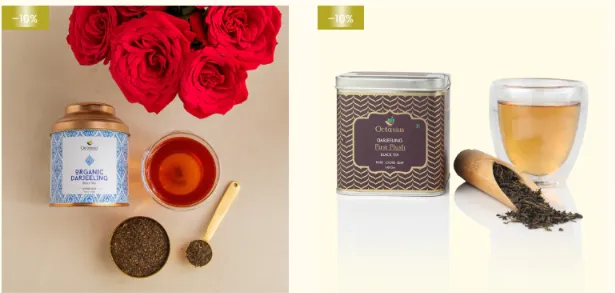
What Actually Makes Darjeeling Tea "Authentic"?
Real Darjeeling tea only grows in the Darjeeling district, tucked into the foothills of the Himalayas, at altitudes anywhere between 600 metres and over 2,000 metres. That height, paired with the cool climate, foggy mornings, and the region's particular soil, gives the tea a flavour nothing else on earth can quite pull off.
People call it the "Champagne of Teas," and honestly, that's not just a catchy marketing line. Champagne can only legally come from the Champagne region of France. Same idea here - authentic Darjeeling tea has GI protection, so only tea grown within that specific region is legally allowed to carry the name.
There are 87 registered gardens in Darjeeling authorised to produce and sell tea under that name. Technically, anything outside that list shouldn't be calling itself Darjeeling at all, even if the label says otherwise.
Why Does Authenticity Actually Matter?
Quick answer: Real Darjeeling tea has a distinct muscatel flavour, a delicate aroma, and a light body that blends and mislabelled versions just can't replicate. Buying certified Darjeeling also puts money back into the hands of the original growers and keeps a centuries-old tradition alive.
Here's what's actually on the line when you pick real over fake:
- The taste is genuinely on another level. Authentic Darjeeling carries a signature muscatel note, something fruity and almost wine-like, that comes purely from the region's altitude and climate. Blends rarely come close.
- You're actually supporting the growers. A big part of Darjeeling's economy runs on tea. Buying certified tea means your money goes to the people actually growing it, not a business cutting corners somewhere else.
- Stricter quality standards. Registered gardens stick to careful harvesting and processing rules, especially for the more prized first and second flush harvests.
- You're not getting ripped off. Mislabelled tea sold at Darjeeling prices is basically a con. Certification protects you from paying premium money for something ordinary.
- Keeping the tradition going. Darjeeling's tea history dates back to the 1840s. Buying the real thing helps that legacy survive instead of getting watered down by mass-market copies.
How Is Real Darjeeling Tea Actually Made?
Knowing the process helps explain why authentic Darjeeling tastes the way it does, and honestly, why it's harder to fake than most people assume.
Leaves get hand-plucked, usually just the top two leaves plus a bud, across different harvest windows called "flushes." Each flush brings its own personality:
| Flush | Season | Flavour Profile |
|---|---|---|
| First Flush | March-April | Light, floral, slightly astringent |
| Second Flush | May-June | Fuller body, classic muscatel note |
| Monsoon Flush | July-September | Stronger, darker, less prized |
| Autumn Flush | October-November | Mellow, smooth, coppery colour |
After plucking, the leaves go through withering, rolling, oxidation, and drying, each step handled carefully to protect that delicate flavour. This isn't rushed, mass-produced tea. It's slower and more hands-on, which is exactly the part cheaper blends usually skip to save money.
Why Octavius Is Worth Trusting For Darjeeling Tea
Trying to find genuinely authentic Darjeeling tea online can feel like guesswork, especially when so many brands slap the name onto whatever blend they're selling. That's exactly why knowing where your tea actually comes from matters so much.
Octavius keeps its sourcing clear and focused on origin, so you're not stuck wondering if what's in the tin matches what's on the label. The flavour, aroma, and overall consistency actually reflect what real Darjeeling tea is meant to taste like, not some diluted stand-in.
A few reasons Octavius holds up here:
- Honest, clear sourcing instead of vague "imported" labels
- Packaging designed to protect that delicate flavour from fading
- Batch-to-batch consistency, so you always know what you're getting
- A reputation built on genuine tea knowledge, not cutting corners
If you actually want to taste what Darjeeling tea is supposed to taste like, starting with a brand that takes sourcing seriously, like Octavius, makes the whole search a lot easier.
Mistakes People Make Buying Darjeeling Tea
- Skipping the GI certification check. This is honestly the most reliable way to confirm you're getting the real thing.
- Assuming every Darjeeling tea tastes identical. Flush season changes the flavour a lot. First flush and second flush are practically different teas.
- Choosing based on price alone. Genuine Darjeeling, especially first flush, comes with a price tag that reflects its rarity. Suspiciously cheap tea is usually a blend in disguise.
- Not checking the harvest date. Fresher batches, first flush in particular, taste noticeably better. Older stock loses its character fast.
- Brewing it too long. Darjeeling tea is delicate by nature. Steep it like a strong black tea and you'll end up with bitterness masking all the subtle notes.
Frequently Asked Questions
Which Darjeeling tea is considered the most authentic?
Tea from one of the 87 registered gardens in the Darjeeling district, carrying GI certification, counts as authentic. First flush from these gardens is usually considered the finest of the bunch.
How can I tell if Darjeeling tea is real?
Look for the official Darjeeling logo or GI certification on the pack. Genuine tea also carries that distinct muscatel flavour that blended versions typically don't manage to capture.
Why is Darjeeling tea called the Champagne of teas?
Just like Champagne, it's legally restricted to one specific region. The flavour, shaped entirely by altitude and climate, simply can't be recreated anywhere else.
What's the actual difference between first flush and second flush Darjeeling?
First flush is lighter, more floral, and harvested in spring. Second flush has a fuller body with that classic muscatel character, picked in early summer.
Is everything labelled "Darjeeling" actually from Darjeeling?
No, not even close. A large amount of tea sold globally under that name isn't genuinely from the region. Checking for GI certification is the way to confirm it.
Does real Darjeeling tea cost more than regular black tea?
Generally, yes. The limited growing area, hand-plucking process, and careful handling all add to the cost compared to standard mass-produced black tea.
Conclusion
So, which Darjeeling tea is authentic, and why does it actually matter? It really comes down to origin, certification, and process. Genuine Darjeeling tea comes from registered gardens within the region, carries proper GI certification, and delivers that muscatel flavour you just won't find in a blend, no matter how good the packaging looks.
If you're ready to try the real thing instead of settling for an imitation, a brand that takes sourcing seriously, like Octavius, is a good place to start. Check for certification, pay attention to which flush you're buying, and you'll finally get why people make such a fuss over genuine Darjeeling tea.
























Sign in to leave a comment.