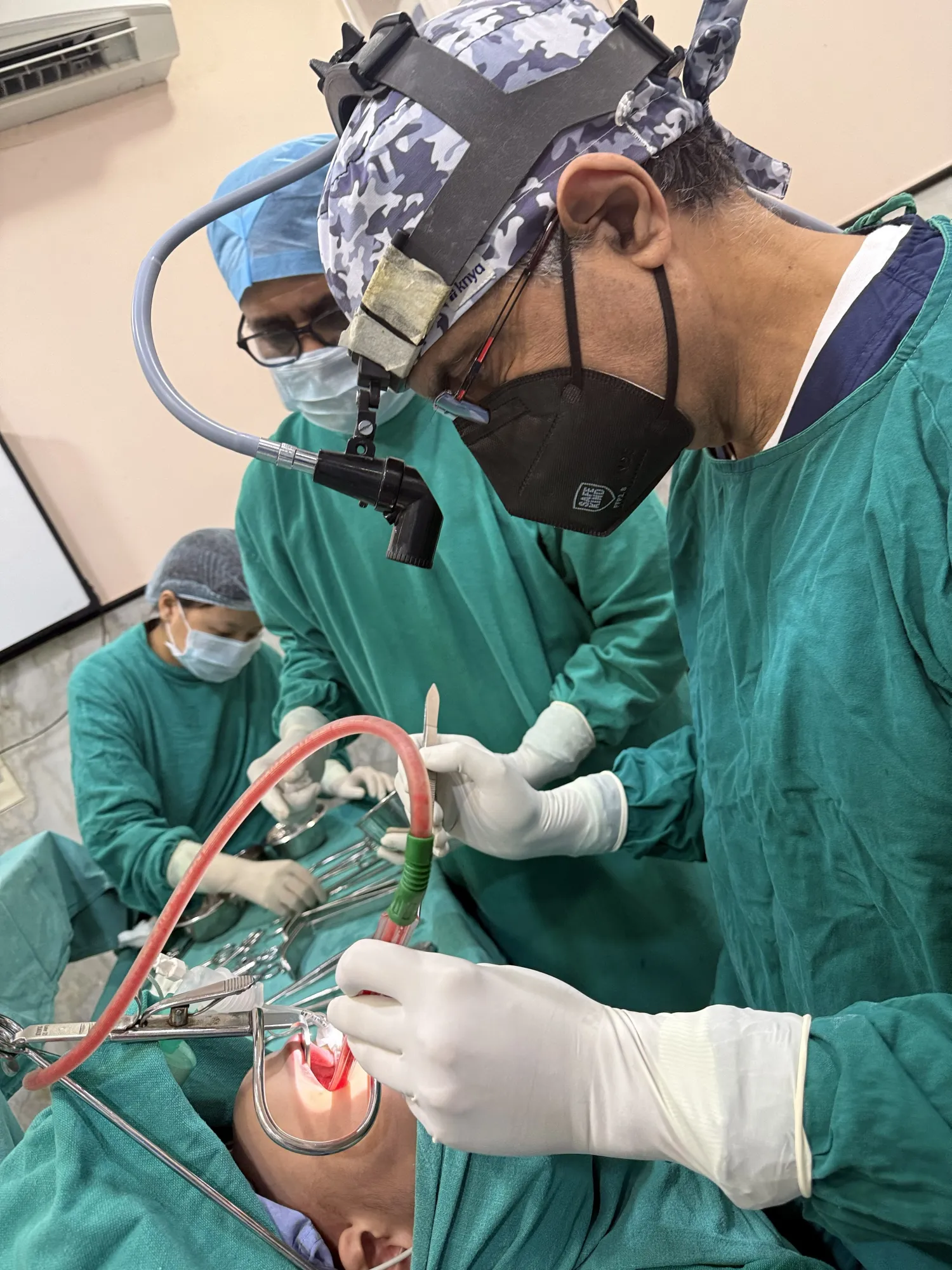

Adenoid Surgery Cost: What Parents and Patients Should Actually Know
Introduction
If your doctor has recommended adenoid removal surgery, the first question on your mind is probably not about the procedure itself. It's about the bill.
That's a fair concern. Surgery of any kind feels overwhelming, and not knowing what to expect financially makes it worse.
This guide breaks down adenoid surgery cost in simple terms, what actually affects the price, and what you should ask before booking the procedure. I'll also cover common mistakes families make when comparing costs across hospitals, so you don't end up paying more than you should or choosing based on price alone.
What is Adenoid Surgery?
Adenoids are small tissues located at the back of the nose, above the throat. In children especially, they can swell due to infections or allergies and start blocking the airway.
Adenoid surgery, also called adenoidectomy or adenoid removal surgery, is a procedure to remove this swollen tissue when it causes ongoing problems like:
- Blocked nose and mouth breathing
- Frequent ear infections
- Snoring or disturbed sleep
- Sinus infections that keep coming back
Quick answer: Adenoid surgery is a short, common ENT procedure done under general anaesthesia to remove swollen adenoid tissue that's blocking the airway or causing repeated infections. It usually takes 20 to 30 minutes.
It's one of the most performed ENT surgeries in children, though adults can need it too.
Benefits of Adenoid Removal Surgery
Parents often ask if this surgery is really necessary or if it can wait. Here's what tends to improve after the procedure.
1. Easier breathing Once the blockage is gone, breathing through the nose becomes noticeably easier, especially at night.
2. Fewer ear and sinus infections Enlarged adenoids often sit close to the eustachian tube, so removing them can reduce repeat ear infections.
3. Better sleep quality Many children who snore heavily or have interrupted sleep breathe more smoothly after surgery.
4. Improved appetite and growth Constant nasal blockage can affect eating and energy levels in young children. This usually improves post-surgery.
5. Reduced dependence on antibiotics Fewer infections mean fewer rounds of antibiotics over time.
| Symptom Before Surgery | Common Improvement After |
|---|---|
| Mouth breathing | Nasal breathing returns |
| Frequent ear infections | Noticeably reduced |
| Snoring, disturbed sleep | Better sleep quality |
| Poor appetite | Usually improves |
How Does Adenoid Surgery Work?
Here's a simple walkthrough of the process, step by step.
- Consultation and diagnosis — The ENT specialist examines the throat and nose, sometimes using a small camera (nasal endoscopy), to confirm adenoid enlargement.
- Pre-surgery tests — Basic blood tests and anaesthesia fitness checks are done, especially for children.
- The surgery itself — Performed under general anaesthesia, the adenoid tissue is removed through the mouth, with no external cuts or stitches.
- Recovery time — Most patients go home the same day or the next morning.
- Follow-up — A short review appointment is usually scheduled a week or two after surgery.
What affects adenoid surgery cost the most:
- City and hospital type (private vs government)
- Surgeon's experience and consultation fee
- Type of anaesthesia and OT charges
- Whether it's combined with tonsillectomy
- Room category chosen for admission (day care vs overnight stay)
As a rough guide, adenoid surgery cost in India can range anywhere from budget government hospital rates to significantly higher amounts in premium private hospitals, depending on these factors. It's always best to get a written estimate during your consultation rather than relying on general numbers online.
Why Choose Medfirst ENT Centre?
Cost matters, but so does who's operating and how the surgery is planned.
At Medfirst ENT Centre, surgeries are led by Dr (Major) Rajesh Bhardwaj, an experienced ENT surgeon whose background includes years of hands-on surgical practice, including complex airway and ENT cases.
What families usually find helpful when consulting here:
- A clear, itemised cost estimate before the surgery date, not vague pricing
- Endoscopic evaluation to confirm surgery is actually needed, avoiding unnecessary procedures
- Day-care surgery options that reduce hospital stay and overall cost
- Direct access to the surgeon for pre and post-surgery questions, not just hospital staff
If you want a second opinion or a transparent cost breakdown before deciding, this is exactly the kind of clarity to look for in any ENT centre, including Medfirst.
Common Mistakes to Avoid
Mistake 1: Comparing only the surgery cost, not the full package Ask if the quote includes anaesthesia, OT charges, room, and follow-up visits, or if these are extra.
Mistake 2: Choosing the cheapest option without checking surgeon experience A lower price with an inexperienced surgeon isn't actually a saving if complications arise.
Mistake 3: Delaying surgery too long Waiting too long with severe blockage can affect a child's sleep, growth, and hearing. Don't delay based on cost alone without exploring day-care or insurance options.
Mistake 4: Not checking insurance coverage in advance Many health insurance policies cover adenoid surgery. Confirm this before assuming it's a full out-of-pocket expense.
Mistake 5: Skipping the pre-surgery consultation questions Always ask what's included, expected recovery time, and possible additional charges upfront.
Frequently Asked Questions
Q1. What is the average adenoid surgery cost?
Adenoid surgery cost varies by city, hospital type, and surgeon fees. It's best to get a written estimate during consultation rather than depending on general online figures.
Q2. Is adenoid surgery covered by insurance?
In many cases, yes. Most health insurance plans cover adenoid removal surgery since it's a medically necessary ENT procedure, but you should confirm with your specific policy.
Q3. How long does adenoid surgery take?
The procedure itself usually takes 20 to 30 minutes under general anaesthesia, though total hospital time including prep and recovery is longer.
Q4. Is adenoid removal surgery painful?
There's usually mild throat discomfort for a few days after surgery, managed with prescribed medication. It's generally well-tolerated, especially in children.
Q5. How soon can a child go back to school after adenoid surgery?
Most children can return to school within 5 to 7 days, depending on recovery and the doctor's advice.
Q6. Is adenoid surgery a day-care procedure?
Often, yes. Many patients are discharged the same day or the next morning, which can also help reduce overall hospital costs.
Q7. Can adults need adenoid surgery too?
Yes, though it's less common. Adults with chronic nasal blockage or sinus issues linked to enlarged adenoids may also be advised surgery.
Q8. Does adenoid surgery cost more if combined with tonsillectomy?
Yes, combined surgeries (adenotonsillectomy) usually cost more than adenoid removal alone, since it involves additional surgical time and recovery monitoring.
Conclusion
Understanding adenoid surgery cost shouldn't feel like guesswork. The price depends on real factors like hospital type, surgeon experience, anaesthesia, and whether it's a day-care or overnight procedure.
Instead of comparing random numbers online, the smarter approach is getting a clear, written cost breakdown directly from your ENT specialist. That way you know exactly what you're paying for and why.
If you're exploring options, ask questions, check what's included, and choose a surgeon you trust, not just the lowest quote on paper.
































Sign in to leave a comment.