

In today’s digital landscape, businesses face a constant barrage of cyber threats, making robust cyber security essential. Managed cyber security services offer an efficient, cost-effective way to secure your IT infrastructure without the need to build an in-house security team. These services are provided by expert teams who specialize in identifying risks, responding to incidents, and implementing cutting-edge security strategies. Let’s explore the essential functions included in cyber security managed services, and how they help businesses protect their digital assets.
1. 24/7 Threat Monitoring and Incident Response
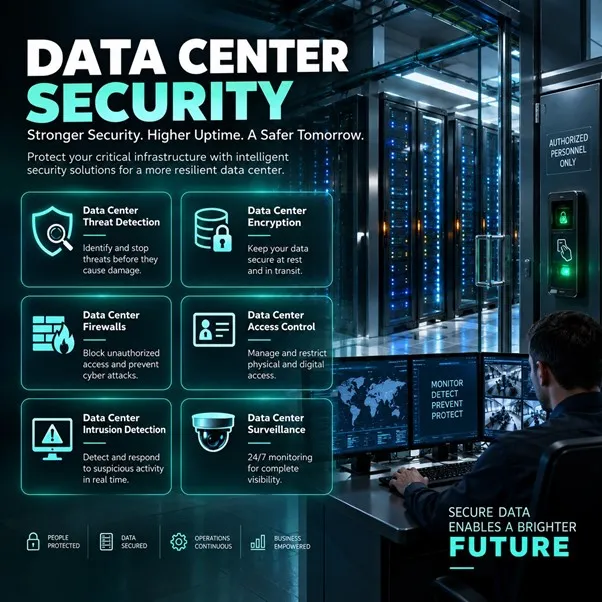
One of the foundational functions of cyber security managed services is continuous threat monitoring. Advanced security operations centers (SOCs) monitor network traffic, endpoints, and systems in real-time, identifying potential threats before they become breaches. These services typically include intrusion detection systems (IDS), intrusion prevention systems (IPS), and security information and event management (SIEM) tools.
When threats are detected, incident response teams act swiftly to contain, analyze, and mitigate the issue. This 24/7 vigilance is vital in ensuring minimal damage and downtime for businesses.
2. Risk Assessments and Vulnerability Management
Proactive cyber security starts with understanding where vulnerabilities lie. Managed services include regular security audits, vulnerability scanning, and penetration testing to uncover weaknesses in your system. These findings are then analyzed and prioritized based on risk level, allowing IT teams to take preventive action before attackers can exploit them.
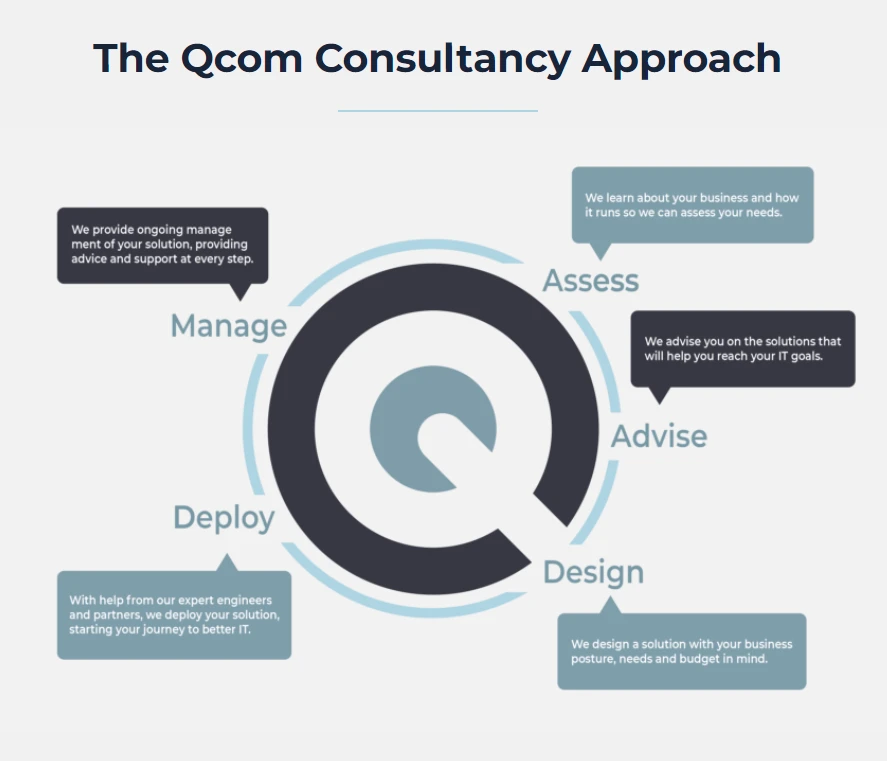
A cyber security consultancy will often play a critical role here, offering tailored advice based on your industry, regulatory needs, and existing IT environment. Consultants bring in-depth knowledge to help organizations make informed security investments.

3. Firewall and Endpoint Protection
Firewalls act as the first line of defense against external threats. Managed services include configuration, monitoring, and updating of next-generation firewalls (NGFWs), ensuring only legitimate traffic enters your network.
Endpoint protection secures devices like laptops, desktops, and mobile phones, which are often targeted by attackers. Managed providers deploy antivirus, anti-malware, and endpoint detection and response (EDR) tools to guard these assets. Regular patching and software updates are also managed to close any security gaps.
4. Data Protection and Compliance Management
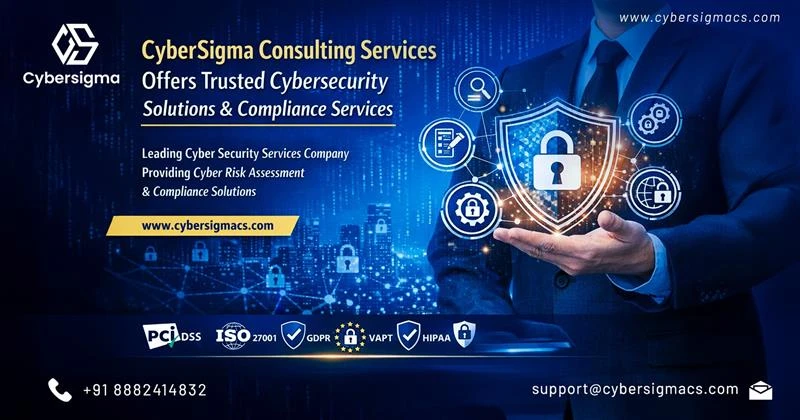
Data is the lifeblood of modern businesses, and protecting it is non-negotiable. Managed cyber security services focus heavily on data encryption, access controls, secure storage, and transmission protocols. A data protection consultant is often involved to ensure compliance with regulations like GDPR, HIPAA, or ISO 27001.
These experts guide organizations through implementing secure data policies and procedures, conducting regular audits, and educating employees on safe data handling practices.
5. Disaster Recovery and Business Continuity Services
Despite the best defenses, breaches can still happen. That’s why managed services also include disaster recovery services, which ensure rapid restoration of systems and data following an attack. This includes automated backup systems, redundant data centers, and predefined recovery plans.
A sound disaster recovery strategy minimizes downtime and reduces the financial and reputational impact of cyber incidents. Managed providers simulate disaster recovery drills to validate their readiness in real-world scenarios.
6. Email and Web Security
Email remains a popular attack vector for phishing and malware. Managed providers offer secure email gateways, spam filters, and phishing protection tools. Similarly, web security features such as URL filtering, secure web gateways, and browser isolation prevent users from accessing malicious sites.
These tools are continuously updated with threat intelligence feeds, ensuring they adapt to emerging attack techniques in real-time.
7. Security Awareness Training
Employees are often the weakest link in cyber security. Managed cyber security services include training programs that educate staff on common threats like phishing, social engineering, and password hygiene. Regular simulated phishing attacks and awareness campaigns reinforce good habits and reduce user-related risks.
8. Log Management and CSV Validation
Logs from applications, systems, and networks are invaluable for detecting anomalies and conducting forensic investigations. Managed services include centralized log collection, normalization, and analysis using tools like SIEM.
CSV validation is a critical sub-function in this area, especially for businesses that deal with large volumes of data in CSV format. Improper validation can lead to injection attacks, data corruption, or breaches. Managed providers ensure secure handling and validation of these files, preventing exploitation from malicious or malformed data.
Final Thoughts
The increasing complexity of cyber threats makes it nearly impossible for organizations to manage security independently. Cyber security managed services offer a strategic solution, combining advanced technologies, expert personnel, and round-the-clock monitoring to safeguard critical systems and data.
Contact:
Birmingham
Beech House, 1a and 1b Greenfield Crescent, Edgbaston, Birmingham B15 3BE
+44 (0) 203 150 1401 , Email : [email protected]
























Sign in to leave a comment.