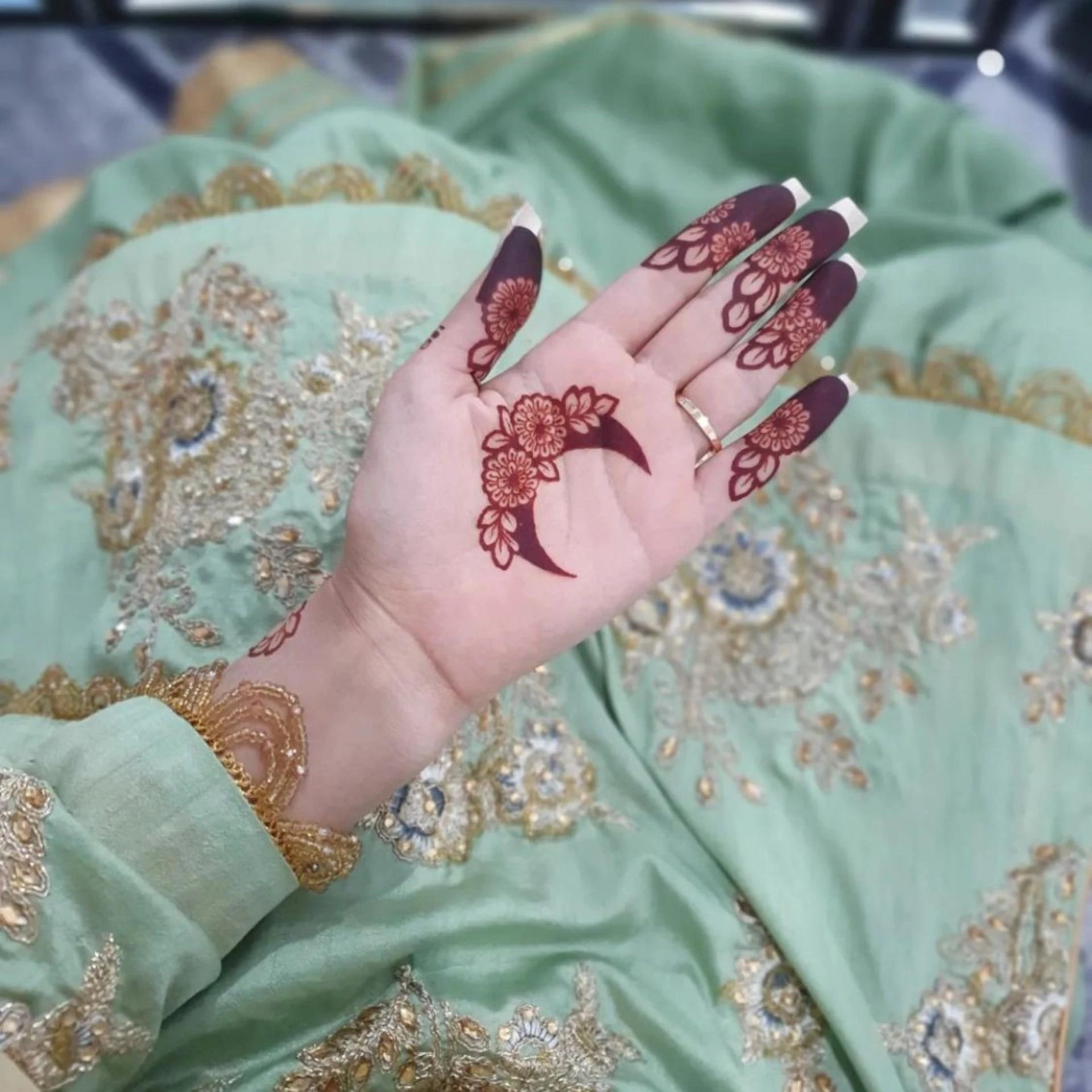

Most people think choosing the best mehndi is only about color. Dark stain means good mehndi. Light stain means bad mehndi. That belief sounds logical but it is incomplete. The truth is that the best mehndi for your hands depends on what your skin needs, how long you want the design to last, and what kind of experience you want from applying it.
When you understand this, mehndi stops being just decoration and becomes a conscious choice.
The Hidden Difference Between Natural and Chemical Mehndi

Natural mehndi comes from the leaves of the henna plant. It stains slowly, smells earthy, and develops color over time. Chemical mehndi works fast, smells sharp, and promises instant darkness. On the surface, fast results feel tempting. But fast results often come at a cost your hands silently pay.
Natural mehndi respects your skin. It binds with the top layer gently and fades naturally without damage. Chemical mehndi forces color into the skin using synthetic dyes. This is why some people experience itching, dryness, or even burns after using so called black or instant mehndi.
If your hands feel irritated after mehndi, the problem is not your skin. It is the mehndi.
Why Hand Skin Matters More Than You Think

Your hands are different from your feet. Hand skin is more exposed, washed more often, and more sensitive. The best mehndi for hands is one that adapts to this reality.
If your hands are dry, chemical mehndi will make them drier. If your hands are sensitive, synthetic ingredients will trigger reactions. Natural mehndi works with your skin instead of fighting it. It may take longer to darken, but it gives a richer, more balanced stain that looks elegant rather than harsh.
The best mehndi does not shout. It blends.
Color Is Not the Only Sign of Quality

People chase jet black stains because they think darker is better. In reality, the most beautiful mehndi shades are deep brown to reddish brown. These tones age well, look graceful, and suit all skin tones.
Quality mehndi tells its story over time. The color deepens in the first twenty four to forty eight hours. It looks better on the second day than the first. This slow transformation is a sign of purity.
Instant darkness is often a warning sign, not a benefit.
Freshness Changes Everything

Even natural mehndi can disappoint if it is old. Fresh mehndi paste releases dye properly. Old paste loses strength and gives dull results. The best mehndi for hands is freshly prepared, properly sifted, and stored with care.
If your mehndi smells chemical or overly sharp, trust your senses. Good mehndi smells like leaves, earth, and nature.
Your hands know the difference before your eyes do.
When Cones and Brands Matter
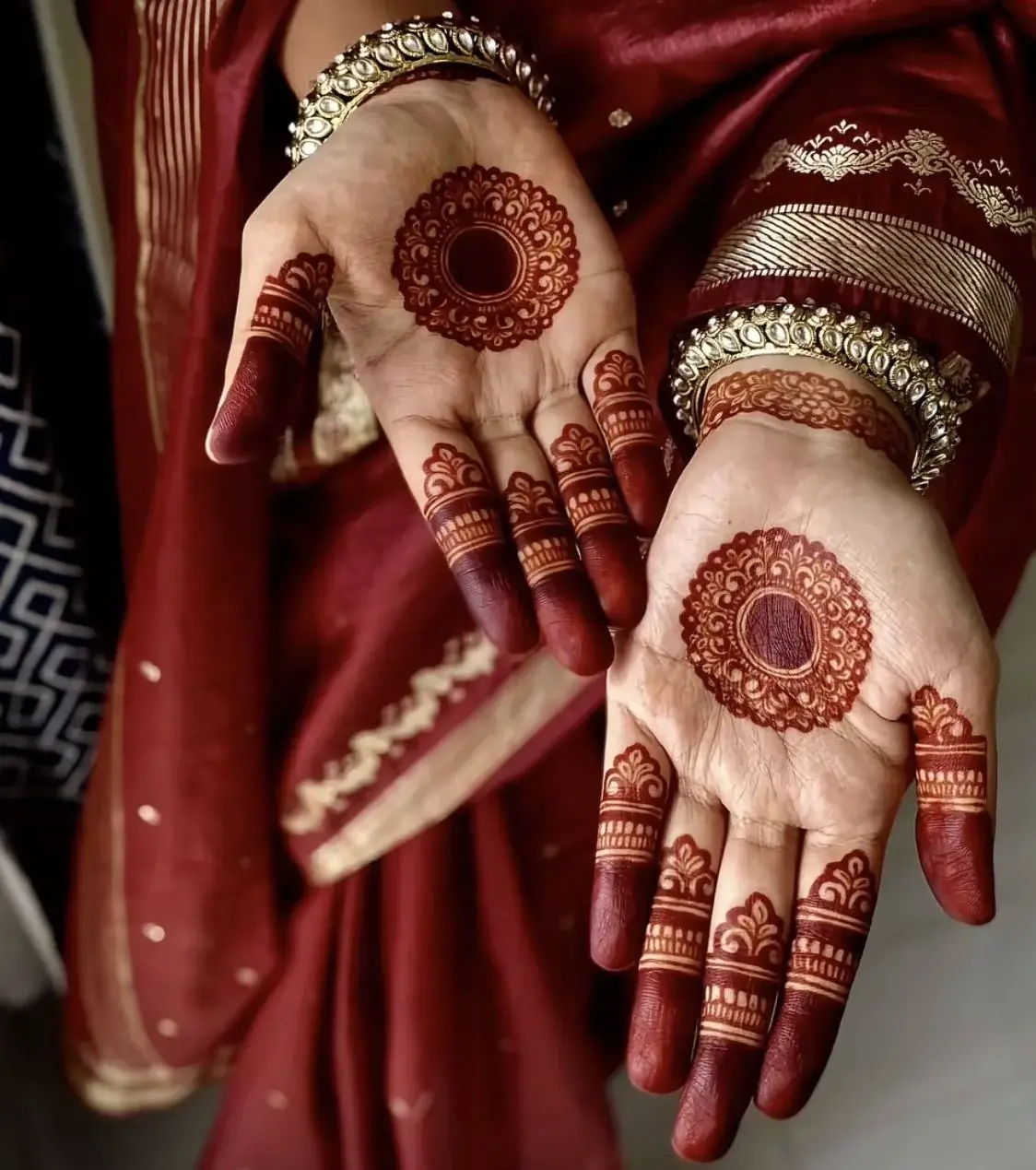
Pre packed cones are convenient, but convenience does not equal quality. Many cones contain preservatives and color boosters. If you choose cones, choose trusted brands that clearly mention natural ingredients.
Homemade or freshly mixed mehndi is often superior because you control what touches your skin. The best mehndi is not the most advertised one. It is the one that respects your body.
The Best Mehndi Is the One That Feels Right
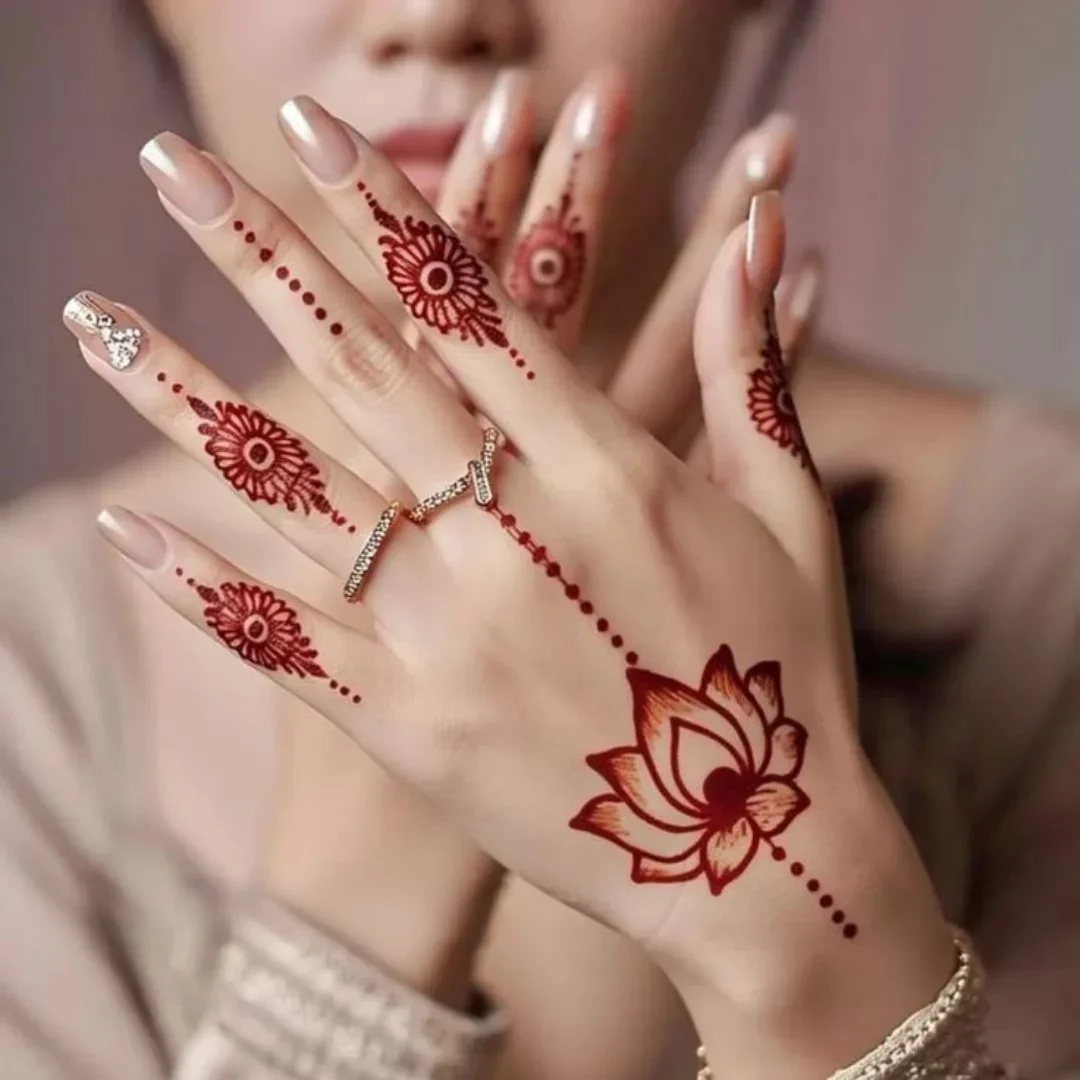
Here is the perspective most people miss. The best mehndi is not just about the final color. It is about how your hands feel during and after application. Soft skin. No itching. No burning. No regret.
When mehndi feels calming rather than irritating, you know you made the right choice.
Final Thought
The best mehndi for your hands is natural, fresh, skin friendly, and patient. It does not rush results or compromise your skin for temporary darkness. When you choose mehndi that works with your body instead of against it, the beauty lasts longer than the stain itself.
"Good mehndi decorates your hands.
The best mehndi protects them too."



























Sign in to leave a comment.