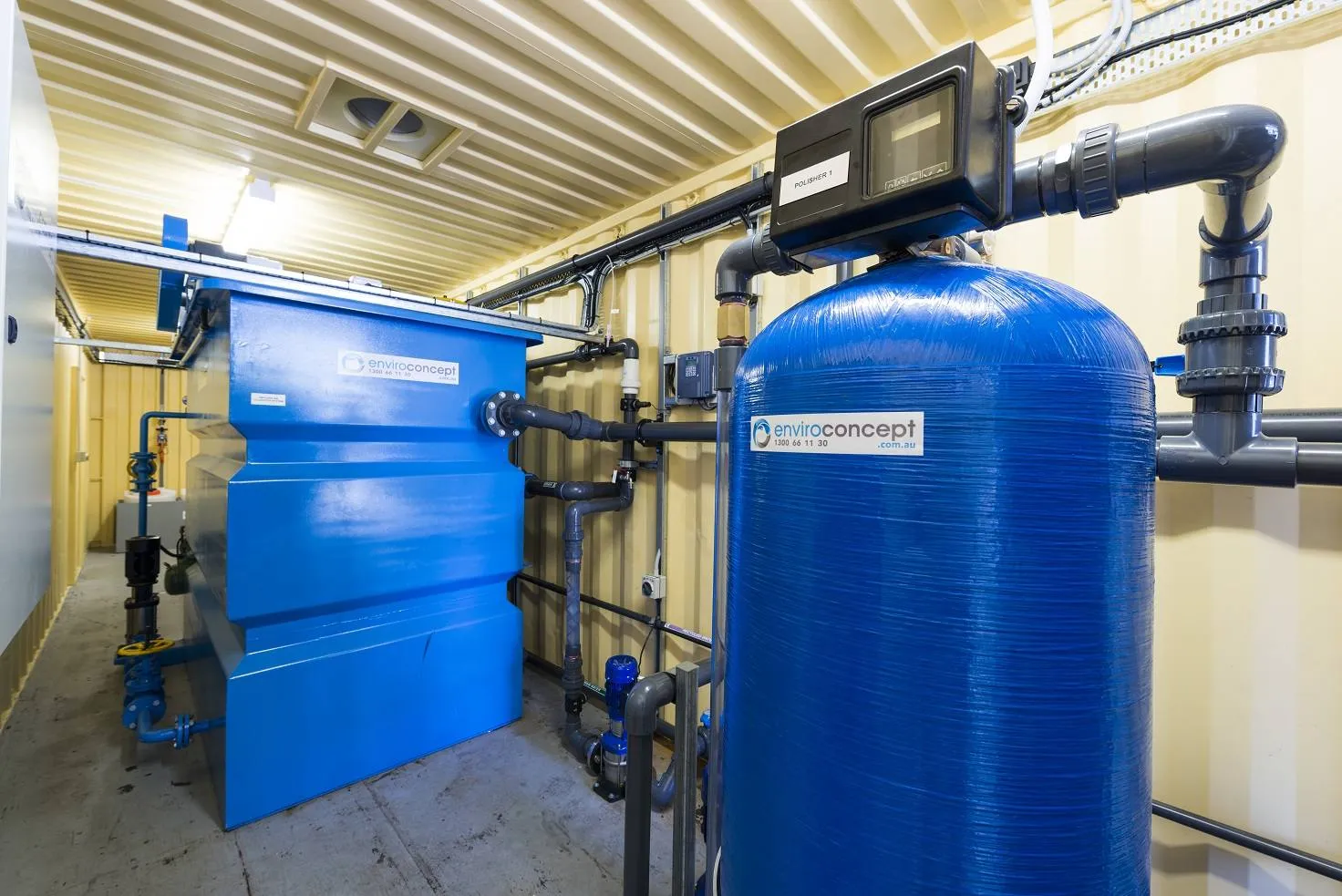

A familiar pattern appears on remote mining projects. The wash bay specification is often approved while attention is still fixed on production targets, yet the difficult conversations begin months later when operators realise the water source is less reliable than expected or maintenance crews are several hours away. The most effective Mining Site Wash Solutions are usually those that accommodate these realities rather than simply offering the longest list of features. In Australia, water recycling for arid sites is increasingly shaping those early decisions.
Why Do Remote Mining Wash Bays Succeed On Some Sites But Struggle On Others?
It is easy to assume that a wash bay proven on one mine will perform equally well elsewhere. In practice, remote operations rarely share the same constraints. A site with a stable workforce behaves differently from one relying on rotating contractors, even when the equipment fleet looks similar on paper. That's often where a heavy equipment wash bay begins revealing its limitations.
- Some sites discover the greatest interruption is not equipment washing but waiting for replacement parts that cannot be sourced locally.
- Heavy haul truck wash needs frequently determine drainage layouts more than the number of machines requiring cleaning.
- Portable systems save mobilisation time, yet moving them repeatedly can create unexpected servicing demands that are overlooked during procurement.
- Biosecurity wash-down protocols sometimes become relevant only after equipment starts moving between projects, forcing operational changes that were never budgeted.
The strongest designs rarely eliminate operational compromises. They simply create fewer of them.
Which Mining Site Wash Solutions Adapt When Mine Plans Change?
Mine life rarely unfolds exactly as feasibility studies suggest. Exploration areas expand, contractors change, and temporary facilities quietly become permanent. Buyers who expected to replace infrastructure within two years often end up maintaining it for much longer.
- Portable mining wash bays are often selected for flexibility, although repeated relocation may influence maintenance schedules more than transport costs.
- Modular layouts allow additional wash capacity without redesigning the entire system.
- Water recycling can become a commercial necessity before it becomes an environmental objective, particularly where water deliveries are unreliable.
- Some operations leave enough space for future fleet growth. Others only discover the constraint when larger haul trucks arrive.
Infrastructure that tolerates changing plans generally outlasts infrastructure built around fixed assumptions.
Why Does Compliance Become An Operational Issue Rather Than A Paperwork Exercise?
Environmental managers rarely view wash bays the same way operations supervisors do. One sees production interruptions; the other notices what happens after the wash water leaves the concrete. Neither perspective is complete on its own.
- Containment systems are often tested by unexpected rainfall rather than routine operations.
- Oil separation performs differently when maintenance intervals gradually stretch beyond what was originally planned.
- Inspection records usually become valuable only after questions are raised during an audit.
- Well-designed remote mining wash bays reduce the number of compliance decisions operators must make during a busy shift.
Many compliance issues begin as operational shortcuts rather than deliberate oversights.
FAQs
Are portable wash bays always the best option for remote mines?
Not necessarily. They suit projects expecting relocation or staged development, but long-term operations may find permanent infrastructure offers lower maintenance demands over time.
Why is water recycling such a common consideration?
On many remote Australian sites, reliable water supply influences production planning as much as environmental compliance. Recycling often supports both objectives at once.
Can one wash solution work across every mining operation?
Rarely. Fleet size, geography, rainfall, workforce structure and approval conditions vary enough that identical systems often produce different operational outcomes.
Conclusion
The conversation around remote wash bays is gradually shifting away from equipment cleaning alone. Buyers increasingly ask how a system behaves after commissioning, when staffing changes, water becomes scarce or the mine expands beyond its original footprint. The most dependable Mining Site Wash Solutions are usually those that continue working when conditions become less predictable, not just when the project follows its original plan, and that is where well-planned Mining equipment wash systems tend to separate themselves over time.
Learn More:




























Sign in to leave a comment.