Which Shoulder Problems Can Be Treated With Arthroscopy?


Shoulder pain that lingers for weeks can make simple tasks like combing your hair, reaching a shelf, or sleeping comfortably feel exhausting. Many people try rest and painkillers, yet the discomfort keeps returning. In such cases, a keyhole procedure may help. Understanding which conditions respond well to Shoulder Arthroscopy in Mumbai can help you decide when to seek expert care. This article explains the common shoulder problems treated with arthroscopy, how they are diagnosed, what recovery looks like, and when it is time to see a specialist.
Understanding Shoulder Arthroscopy
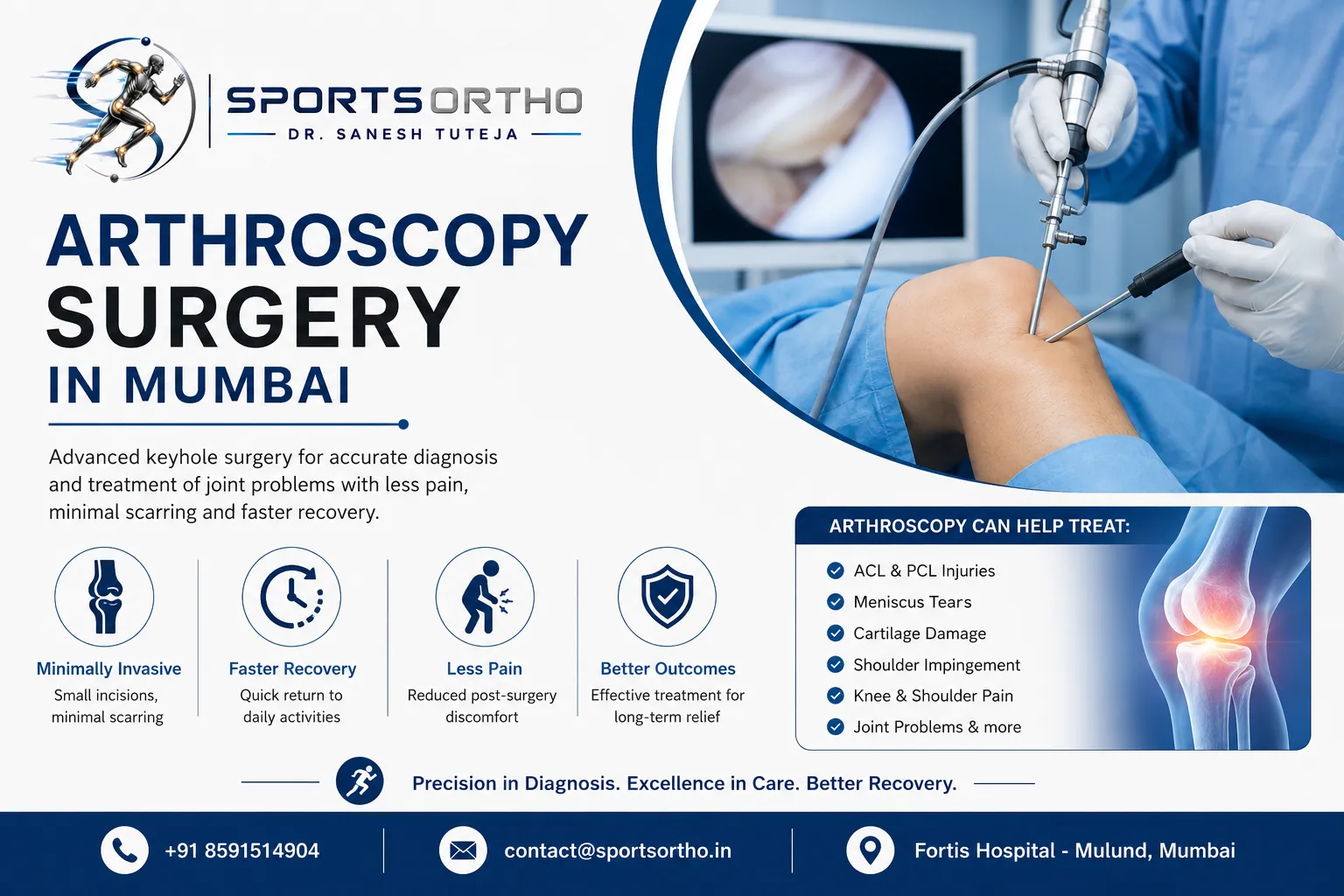
Shoulder arthroscopy is a minimally invasive procedure in which a surgeon makes a few small cuts around the joint and inserts a thin camera called an arthroscope. The camera projects clear images onto a screen, allowing the surgeon to examine the joint and treat damage with slim instruments. Surgeons such as Dr. Sanesh Tuteja use this approach to address a wide range of shoulder conditions, from sports injuries to long-standing wear and tear.
Because the incisions are small, there is usually less disturbance to the surrounding muscle and tissue than with open surgery. Many patients find that early recovery is smoother, although the outcome depends on the condition treated and the individual.
Common Shoulder Problems Treated With Arthroscopy
Arthroscopy can be used both to diagnose and to treat several conditions. The most common include:
- Rotator cuff tears: partial or full tears of the tendons that lift and rotate the arm, often causing weakness and night pain.
- Shoulder impingement: soft tissues get pinched under the bony roof of the shoulder, leading to pain when lifting the arm overhead.
- Labral tears: injury to the ring of cartilage around the socket, common after falls, dislocations or repeated throwing.
- Recurrent dislocation or instability: a shoulder that repeatedly slips out of place can be stabilised by repairing damaged ligaments and cartilage.
- Biceps tendon problems: inflammation, fraying or tears of the tendon at the front of the shoulder.
- Frozen shoulder: in stubborn cases that do not improve with therapy, tight tissue can be released to restore movement.
- Loose fragments and early cartilage damage: small pieces of bone or cartilage floating inside the joint can be cleaned out.
Symptoms and Causes to Watch For
Shoulder problems rarely appear overnight. Pain that worsens at night, weakness while lifting objects, a catching or clicking sensation, stiffness, or a feeling that the joint might slip are common signs that something inside the shoulder needs attention.
Causes range from sports injuries and falls to repetitive overhead work, such as painting or lifting, and natural age-related wear. Ignoring symptoms can allow a small tear or irritation to grow into a larger problem.
How Shoulder Problems Are Diagnosed
Diagnosis begins with a detailed history and physical examination to check strength, range of motion and stability. X-rays show bone alignment and joint spacing, while MRI or ultrasound can reveal tendon, ligament and cartilage damage. Seeing an Orthopedic Surgeon in Mumbai early helps in getting the right scans and a clear diagnosis before the problem progresses.
Not every shoulder problem needs surgery. Many patients improve with rest, activity changes, physiotherapy, anti-inflammatory medicines or injections. Arthroscopy is usually considered when these measures fail to bring relief, or when an injury such as a large tear or repeated dislocation is unlikely to heal on its own.
Treatment Options and What the Procedure Involves
During the procedure, performed under anaesthesia, the surgeon looks inside the joint and then trims, repairs, reattaches or releases tissue as required. Anchors and sutures may be used to secure torn tendons or ligaments back to bone. Many procedures are completed within a couple of hours, and in many cases patients return home the same day or the next day, depending on the problem treated.
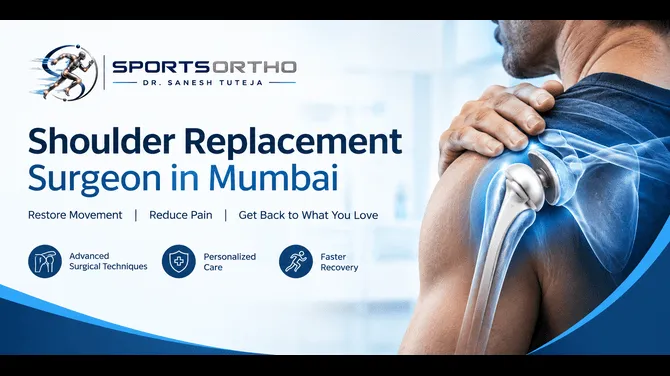
During a consultation, Dr. Sanesh Tuteja reviews symptoms and scans to decide whether arthroscopy, continued non-surgical care, or another option is the better route. In advanced arthritis with severe damage to the joint surfaces, procedures such as Shoulder Replacement may be discussed instead.
Recovery and Care Tips
Recovery depends on the problem treated. After surgery, the arm is usually supported in a sling for a period, followed by guided physiotherapy to restore movement and then strength. Following the rehabilitation plan matters as much as the surgery itself.
- Take medicines and care for the wound as advised.
- Keep the sling on for the recommended duration.
- Do the prescribed exercises regularly, without rushing.
- Avoid heavy lifting and sudden overhead movements until cleared.
- Attend all follow-up visits.
A full return to sports or heavy work can take several months, so patience is important.
When to See a Specialist
Consider a medical evaluation if shoulder pain lasts more than a few weeks, disturbs your sleep, limits daily tasks, or follows an injury with sudden weakness or visible deformity. A shoulder that keeps slipping out of place also needs prompt assessment. Early evaluation often widens the treatment choices and can protect the joint from further damage.
Conclusion
Many shoulder problems, including tendon tears, labral injuries, instability, impingement and stubborn stiffness, can be treated through a keyhole approach when conservative care is not enough. Choosing Shoulder Arthroscopy in Mumbai with careful evaluation and a structured rehabilitation plan gives the best chance of regaining comfortable movement. If shoulder pain is affecting your routine, call us to book a consultation and get your concerns assessed.




Sign in to leave a comment.