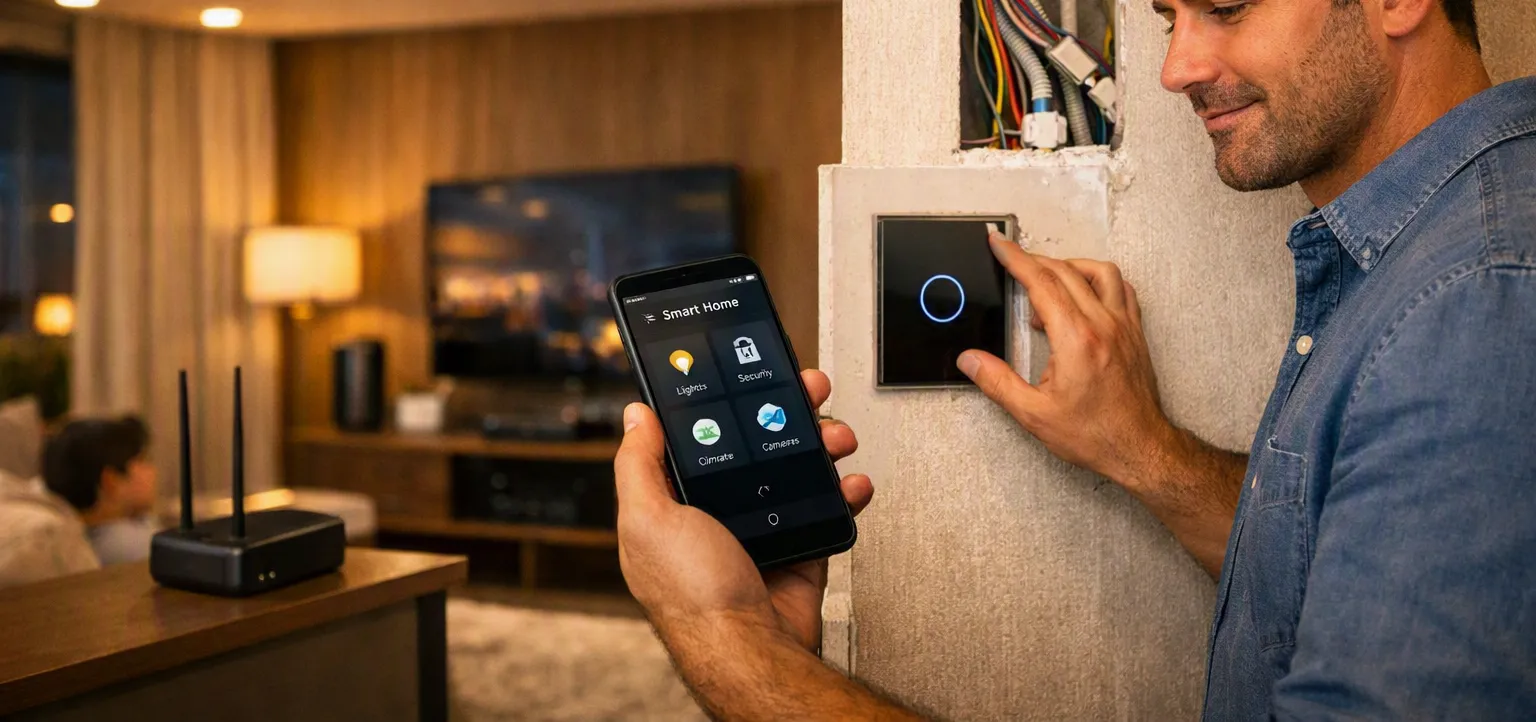

Choosing a smart home system does not always mean changing all the wiring in a house. For many homeowners, the existing electrical setup can still support smart devices. A well-planned Smart home Dubai setup can use wireless devices, wired connections, or a mix of both. The right choice depends on the condition of the wiring, the type of devices being used, and how much control the homeowner wants.
Understanding Existing Home Wiring
Most modern homes already have electrical wiring for lights, switches, sockets, fans, and other equipment. Smart home technology can often work with this setup without major changes.
However, not every smart device uses the same type of connection. Some devices connect through Wi-Fi, while others use communication systems such as Zigbee, Z-Wave, or wired protocols. Before selecting a system, it is useful to understand what the existing wiring can support.
Older homes may need more checking because the wiring, switches, and electrical boxes may not be designed for newer smart devices.
Wireless Smart Home Systems
Wireless systems are often a practical choice for homes with finished walls and existing wiring. Smart lights, sensors, plugs, locks, cameras, and other devices can connect without running new cables through walls.
Wi-Fi is commonly used because most homes already have a wireless network. Zigbee and Z-Wave are also used for smart home devices and can reduce the amount of traffic placed on the main Wi-Fi network.
Wireless systems can be easier to add one device at a time. This makes them suitable for homeowners who want to start with a few smart features and expand later.
Wired Smart Home Systems
Wired systems can be a good option when a home is being built or renovated. They can provide stable communication between different devices and may be suitable for larger or more complex installations.
A wired system can connect lighting, climate control, entertainment equipment, security devices, and other parts of the home through a planned network.
The main point to consider is installation. Adding new cables after walls and ceilings are finished can take more time and may require additional electrical work.
Hybrid Systems Can Be Practical
A hybrid system combines wired and wireless technologies. This can be useful when some parts of the home already have suitable wiring while other areas are difficult to connect with cables.
For example, wired connections can be used for important control equipment, while wireless sensors or smart plugs can be placed in areas where running cables is not practical.
This approach gives homeowners more flexibility. It also allows the system to grow without requiring every device to use the same connection method.
What Should You Check Before Choosing a System?
Several factors should be checked before selecting smart home equipment.
Condition of the wiring:
An electrician should check whether the existing wiring is safe and suitable for the planned devices.
Neutral wire availability:
Some smart switches require a neutral wire, while others are designed to work without one. This can affect which switches can be installed.
Internet and network quality:
Wireless smart devices depend on a reliable network. Poor Wi-Fi coverage can affect performance.
Number of devices:
A small setup with a few lights and sensors has different requirements from a complete home system with many connected devices.
Future expansion:
It is useful to choose a system that can support additional devices later. This avoids replacing the main system when new features are needed.
Smart Switches and Existing Wiring
Smart switches are one of the most common ways to add automation to existing electrical circuits. They can allow users to control lights through an app, voice command, schedule, or automation rule.
However, compatibility should be checked before installation. The switch must match the electrical circuit and the type of light being controlled.
Some smart switches also need a neutral wire. If the existing switch box does not have one, a different type of switch may be required.
Which Option Is Best?
There is no single smart home system that is best for every house. Wireless systems are often suitable when the home is already finished and the owner wants to avoid major changes. Wired systems can be more suitable for new construction or major renovations.
A hybrid setup can provide a balance between the two. The best choice should be based on the home's wiring, network, size, device requirements, and plans for future upgrades.



























Sign in to leave a comment.