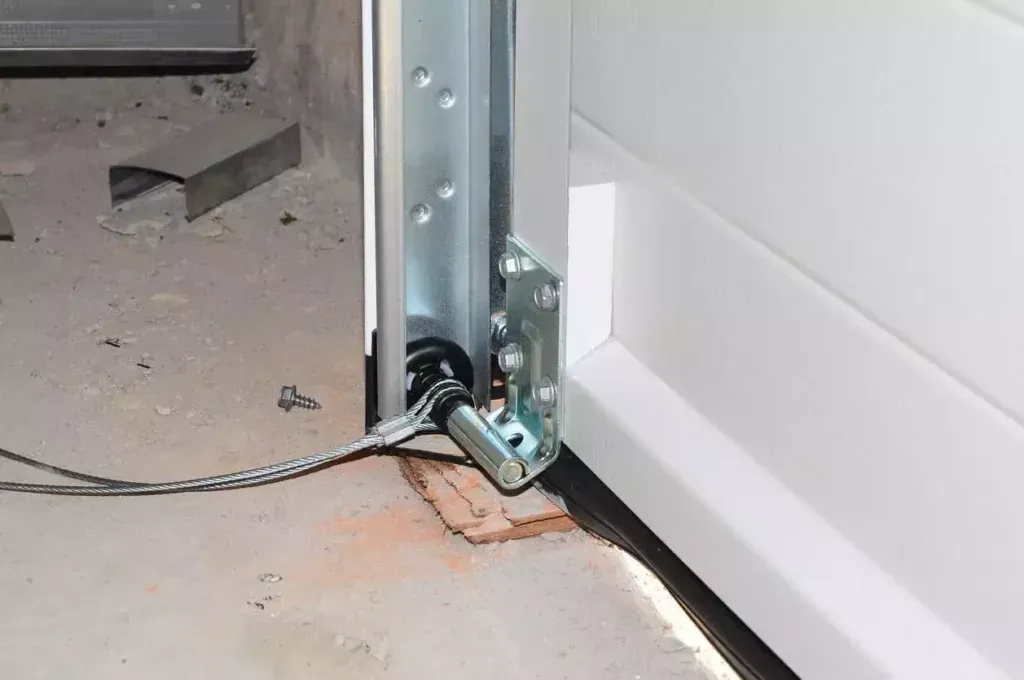

Garage door rollers may be small components, but they have a major impact on how quietly, safely, and efficiently a garage door operates. Homeowners often focus on springs or openers when something goes wrong, yet worn rollers are one of the most common causes of noisy operation, uneven movement, and premature wear on the entire door system.
If you're replacing garage door rollers, it's worth looking beyond the initial price. The longest-lasting option is not always the least expensive, but it often provides the best long-term value by reducing maintenance, preventing unnecessary repairs, and extending the life of other garage door components.
This guide explains how different garage door rollers compare, what affects their lifespan, and how to choose the right option for your home.
Quick Answer
For most residential garage doors, sealed nylon rollers with high-quality ball bearings offer the best balance of durability, quiet operation, and low maintenance. Premium nylon rollers commonly last 10 to 20 years, depending on usage and maintenance.
For extremely heavy commercial doors or industrial applications, sealed steel rollers are typically the longest-lasting option when properly maintained.
Why Roller Material Makes Such a Difference
Garage door rollers travel along metal tracks every time the door opens or closes. Depending on household habits, that movement may happen several times each day.
Over the years, rollers experience:
- Constant friction
- Repeated weight loads
- Temperature changes
- Dirt and debris
- Moisture exposure
- Vibration from the opener
Lower-quality rollers gradually develop flat spots, worn bearings, cracked wheels, or excessive play that causes the door to shake and become noisy.
Choosing a better roller material helps reduce these problems before they begin.
Comparing the Most Common Garage Door Roller Types
Plastic Rollers
Plastic rollers are commonly found on builder-grade garage doors because they are inexpensive.
Average lifespan
2 to 5 years
Advantages
- Lowest initial cost
- Suitable for light-duty use
Drawbacks
- Wear quickly
- Noisy as they age
- More likely to crack
- Usually contain no ball bearings
- Increase strain on other garage door parts
In many service calls, worn plastic rollers are one of the first components that need replacement.
Steel Rollers
Steel rollers have been used for decades because of their strength and ability to support heavy doors.
Average lifespan
10 to 20 years with regular lubrication
Advantages
- Extremely durable
- Excellent for heavy wood or commercial doors
- Strong under heavy loads
Drawbacks
- Louder during operation
- Require periodic lubrication
- Can rust in damp climates
- More vibration transferred to the garage structure
Steel rollers remain an excellent choice when maximum strength is the priority.
Nylon Rollers Without Ball Bearings
Some entry-level nylon rollers improve noise levels compared to plastic but lack internal bearings.
Average lifespan
5 to 8 years
Advantages
- Quieter than steel
- Affordable upgrade
Drawbacks
- Shorter bearing life
- Less durable under frequent daily use
Premium Nylon Rollers With Sealed Ball Bearings
For most residential garages, these rollers offer the best overall performance.
Average lifespan
10 to 20 years or more
Advantages
- Extremely quiet
- Minimal maintenance
- Smooth door movement
- Excellent wear resistance
- Reduced vibration
- Better protection against dust and moisture
Many professional garage door technicians recommend 13-ball bearing sealed nylon rollers because they consistently perform well over many years of daily use.
Factors That Affect Roller Lifespan
Even the highest-quality rollers eventually wear out. Several factors determine how long they last.
Daily Usage
A family that opens the garage door eight or ten times every day will naturally wear rollers faster than a household using it only twice daily.
Higher cycle counts shorten the lifespan of every moving component.
Door Weight
Heavier garage doors place additional stress on:
- Rollers
- Hinges
- Tracks
- Springs
- Bearings
Insulated steel doors, carriage-style doors, and wood doors require stronger roller assemblies.
Local Climate
Weather has a surprising effect on garage door hardware.
Homes in coastal areas often experience:
- Salt exposure
- Increased corrosion
- Moisture buildup
Cold climates may experience:
- Frozen lubrication
- Expansion and contraction
- Brittle plastic components
Dusty regions can gradually contaminate bearings and tracks.
Selecting corrosion-resistant hardware becomes increasingly important in these environments.
Installation Quality
Even premium rollers wear prematurely if:
- Tracks are misaligned
- Hinges are bent
- Springs are improperly balanced
- Roller stems are incorrectly installed
Proper installation allows the rollers to distribute weight evenly throughout the entire travel path.
Maintenance Habits
Regular inspections can significantly extend roller life.
Simple maintenance includes:
- Keeping tracks clean
- Inspecting rollers annually
- Lubricating steel bearings when recommended
- Tightening loose hardware
- Replacing damaged rollers before they affect the entire system
Small maintenance tasks often prevent much larger repairs later.
Signs Your Garage Door Rollers Need Replacement
Rollers usually provide several warning signs before complete failure.
Watch for:
- Loud squeaking or grinding
- Jerky door movement
- Door shaking while opening
- Visible wheel cracks
- Worn or chipped roller surfaces
- Bent stems
- Rollers coming out of the track
- Increased opener strain
Ignoring these symptoms may eventually damage tracks, hinges, or even the garage door opener.
Are Expensive Rollers Worth It?
In most situations, yes.
Premium rollers generally cost more upfront, but they often reduce future maintenance costs by:
- Operating more quietly
- Lasting significantly longer
- Protecting other moving components
- Reducing opener strain
- Improving overall door performance
When homeowners compare replacement costs over ten or fifteen years, higher-quality rollers frequently prove to be the more economical choice.
Professional Installation vs DIY Replacement
Replacing one or two rollers may appear straightforward, but garage door systems operate under considerable spring tension.
Certain rollers can only be safely replaced after relieving tension from the system.
Professional technicians typically inspect the entire garage door while replacing rollers, including:
- Spring condition
- Track alignment
- Cable wear
- Hinge integrity
- Door balance
- Opener performance
This broader inspection often identifies developing issues before they become expensive repairs.
Final Thoughts
The longest-lasting garage door rollers are those matched to the door's weight, usage, and operating environment. While plastic rollers may seem economical initially, premium sealed nylon rollers often deliver the best long-term value for residential properties by combining durability, quiet performance, and minimal maintenance. For heavier commercial or industrial doors, well-maintained steel rollers continue to be the industry standard.
When paired with proper installation, routine inspections, and timely maintenance, quality rollers help extend the life of the entire garage door system, improve daily reliability, and reduce the likelihood of unexpected repairs. Investing in durable rollers today can lead to smoother, safer operation for many years to come.























Sign in to leave a comment.