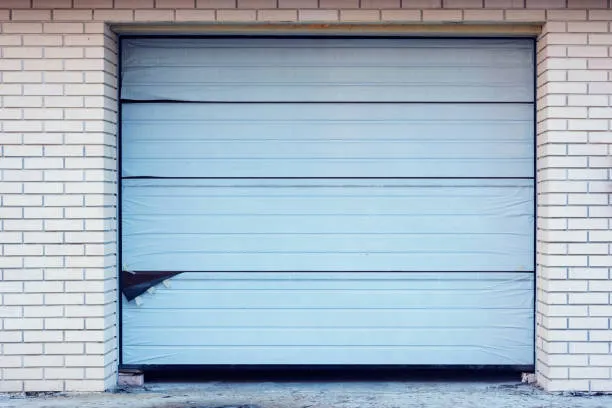

A damaged garage door panel is more than a cosmetic issue. Whether the damage comes from a vehicle bump, severe weather, daily wear, or accidental impact, the condition of your garage door panels directly affects your home's security, energy efficiency, and curb appeal.
One of the most common questions homeowners ask is whether they should repair a damaged garage door panel or replace it entirely. The answer depends on several factors, including the extent of the damage, the age of the door, the availability of matching panels, and the condition of the entire garage door system.
This guide explains how professionals evaluate damaged panels, what repair options are available, and when replacement is the smarter long-term investment.
Why Garage Door Panels Matter More Than Most Homeowners Realize
Garage door panels work together to create a balanced structure. Each panel supports the door's movement as it travels along the tracks. When one panel becomes bent, cracked, or weakened, it can affect the alignment of the entire system.
Ignoring panel damage can eventually lead to problems such as:
- Uneven door movement
- Increased strain on springs and rollers
- Difficulty opening or closing the door
- Air and moisture entering the garage
- Reduced insulation performance
- Higher repair costs later
Even damage that appears minor can create hidden stress on other garage door components over time.
Common Causes of Garage Door Panel Damage
Garage door panels are designed for durability, but years of daily operation and changing weather conditions can take their toll.
Some of the most common causes include:
Vehicle Impact
A car backing into the garage door remains one of the leading causes of panel damage. Even low-speed impacts can dent steel panels or crack wood and composite materials.
Severe Weather
Strong winds, hail, heavy rain, and flying debris can damage exterior panels, particularly in regions that experience frequent storms.
Rust and Corrosion
Steel garage doors exposed to moisture over many years may develop corrosion that weakens individual panels.
Everyday Wear
Thousands of opening and closing cycles eventually place stress on the panels, hinges, and supporting hardware.
Falling Objects
Ladders, bicycles, sports equipment, or storage items stored near the garage door can accidentally strike the panels.
When Garage Door Panel Repair Is the Right Choice
Not every damaged panel requires replacement.
Professional repair is often possible when:
- The dent is relatively small.
- The structural frame remains intact.
- The panel has not separated from the hinges.
- The door still operates smoothly.
- Replacement panels are unnecessary.
- Cosmetic damage is limited.
Minor dents can sometimes be reshaped, reinforced, or repaired without replacing the entire section.
In many cases, repairing a single panel restores both appearance and functionality while keeping costs lower.
Signs That Panel Replacement Makes More Sense
There are situations where replacement offers better long-term value.
Panel replacement is generally recommended if:
The Panel Has Structural Damage
Large bends, cracks, or broken reinforcement ribs reduce the panel's strength.
Multiple Panels Are Damaged
Repairing several damaged sections often becomes less practical than replacing them.
Matching Panels Are Available
Many manufacturers offer replacement panels for newer garage door models, making it possible to restore the original appearance without replacing the full door.
Rust Has Spread Throughout the Panel
Surface rust can often be treated, but widespread corrosion usually weakens the entire section.
Insulation Has Been Damaged
Modern insulated garage doors contain foam cores that improve energy efficiency. If impact damages the insulation, replacing the panel often provides better performance.
When Replacing the Entire Garage Door Is Worth Considering
Sometimes replacing one panel is not the most cost-effective option.
Complete garage door replacement may be the better decision when:
- The door is over 15 to 20 years old.
- Replacement panels are no longer manufactured.
- The opener and hardware are also worn.
- Multiple repairs have already been completed.
- The door no longer provides adequate insulation.
- You want improved security or updated curb appeal.
A new garage door can also improve home value while reducing future maintenance requirements.
Factors Professionals Evaluate Before Making a Recommendation
Experienced garage door technicians rarely recommend repairs based solely on appearance.
They inspect:
- Door balance
- Track alignment
- Hinge condition
- Roller wear
- Spring performance
- Panel connections
- Opener operation
- Frame integrity
- Weather seal condition
A complete inspection helps identify hidden issues that may not be visible from the outside.
The Challenge of Matching Replacement Panels
One factor homeowners often overlook is panel availability.
Manufacturers periodically discontinue colors, finishes, window styles, and panel designs. If an older model is no longer in production, finding an exact replacement may be difficult.
In these cases, homeowners may choose between:
- Installing a close visual match
- Replacing several panels
- Installing an entirely new garage door
A professional can explain which option offers the best balance between appearance, performance, and budget.
Local Climate Can Influence the Best Solution
Weather plays a bigger role in garage door longevity than many homeowners expect.
For example:
- Coastal regions often experience faster corrosion from salty air.
- Areas with heavy snowfall place additional stress on lower panels exposed to moisture.
- Hot climates can accelerate fading, warping, and weather seal deterioration.
- Storm-prone regions frequently experience impact damage from wind-driven debris.
Choosing repair materials and replacement panels suited to the local environment helps improve long-term durability.
Can You Repair Garage Door Panels Yourself?
Small cosmetic scratches may be suitable for DIY touch-up work.
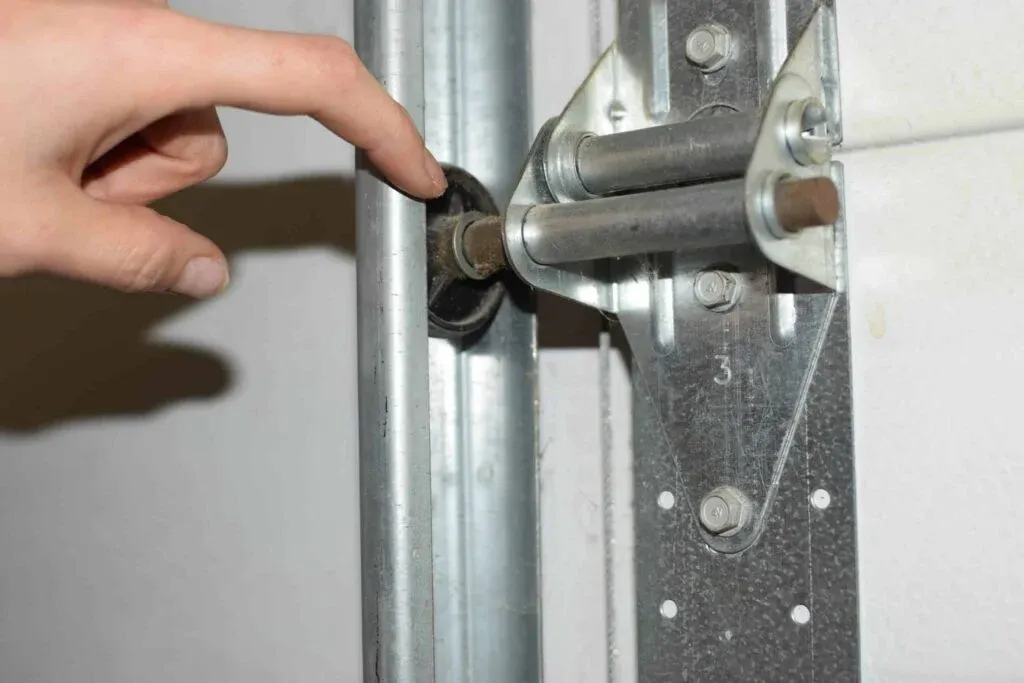
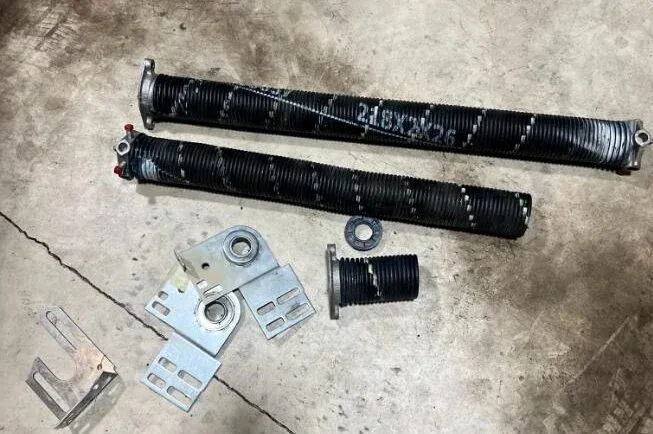
However, structural panel repairs should generally be handled by trained professionals because garage doors operate under significant spring tension.
Attempting to repair bent panels without proper tools can:
- Create unsafe door movement
- Damage the tracks
- Affect spring balance
- Cause premature opener failure
- Increase repair costs later
Safety should always be the priority when working with garage door systems.
Preventing Future Panel Damage
Regular maintenance helps extend the life of both repaired and replacement panels.
Good maintenance habits include:
- Inspect panels for dents and corrosion.
- Keep tracks clean.
- Lubricate moving components.
- Test door balance periodically.
- Replace worn weather seals.
- Schedule annual professional inspections.
- Avoid storing heavy items where they may strike the door.
Preventive maintenance often identifies small issues before they become expensive repairs.
Making the Right Long-Term Decision
Choosing between garage door panel repair and replacement is not simply about today's repair bill.
The best decision considers:
- Safety
- Structural integrity
- Long-term maintenance costs
- Door age
- Energy efficiency
- Availability of replacement parts
- Overall appearance
- Future reliability
A professional inspection provides the information needed to make an informed decision based on the condition of the entire garage door system rather than the damaged panel alone.
Whether repair or replacement is recommended, addressing panel damage early helps protect the performance, security, and longevity of your garage door.


























Sign in to leave a comment.