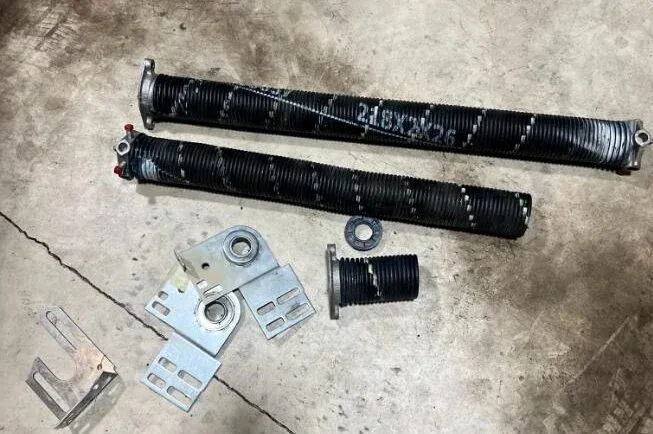

A garage door can look like a simple system, but its springs do some of the most important work. They counterbalance the weight of the door so the opener does not have to lift the full load. When a spring weakens or breaks, the door can suddenly become extremely heavy, difficult to move, or unsafe to operate.
For homeowners in Clackamas, Oregon, understanding when a spring needs attention can help prevent a minor mechanical problem from becoming a damaged door, opener, or personal safety hazard. This guide explains the warning signs, replacement process, safety considerations, and practical questions to ask before hiring a professional.
What Does a Garage Door Spring Do?
Garage door springs store mechanical energy and help balance the door's weight during opening and closing. Most residential garage doors use either torsion springs mounted above the door or extension springs positioned along the horizontal tracks.
A properly balanced door should not feel unusually heavy when operated manually. If the springs are worn, broken, incorrectly sized, or losing tension, other components can experience additional strain.
This is one reason a garage door problem should not automatically be treated as an opener problem. A struggling opener may simply be reacting to a spring or balance issue.
Common Signs You May Need Garage Door Spring Replacement
Some spring failures are obvious. Others develop gradually and can be missed during normal use.
1. The Spring Is Visibly Broken
With a torsion spring, a visible gap in the coil is a common indication that the spring has snapped. Extension springs may also show a break or separation.
Do not attempt to reconnect, stretch, cut, or otherwise manipulate a broken spring. A garage door spring can remain under significant tension even after a failure.
2. The Garage Door Feels Extremely Heavy
If you normally lift your garage door manually and it suddenly feels much heavier than usual, the spring may no longer be providing adequate counterbalance.
A healthy spring system makes the door substantially easier to lift. A sudden change in effort deserves inspection rather than repeated attempts to force the door open.
3. The Door Will Not Stay Open
A properly balanced garage door should generally remain near the position where it is placed during a manual balance check. If the door immediately falls or becomes difficult to hold, the spring system may need adjustment or replacement.
However, balance can also be affected by cables, rollers, hinges, track problems, or incorrect spring selection. A professional should identify the underlying cause instead of simply tightening the spring.
4. The Opener Struggles or Stops
A garage door opener is designed to move a properly balanced door. When a spring weakens, the opener may strain, move slowly, reverse unexpectedly, or stop before completing its cycle.
Continuing to operate the opener under excessive load can create additional problems with the opener, gears, carriage, or other components.
5. You Hear Unusual Popping or Snapping Sounds
A loud pop from the garage door area can sometimes indicate a spring breaking or suddenly releasing tension. Grinding, scraping, or repeated mechanical noises can have other causes, so sound alone is not enough to diagnose the problem.
If a new noise appears suddenly, stop repeatedly cycling the door and have the system inspected.
Garage Door Spring Replacement in Clackamas, OR
Local conditions can influence how garage door hardware ages. Clackamas and the greater Portland-area climate experience wet seasons, temperature changes, and moisture exposure. While torsion springs primarily fail because of fatigue from repeated cycles, surrounding hardware can also develop corrosion or wear over time.
During a Garage Door Spring Replacement in Clackamas, OR, a technician should look beyond the spring itself. Cables, drums, bearings, end plates, rollers, hinges, tracks, and the opener should be checked for related wear.
This broader inspection matters because replacing a spring without identifying another damaged component may leave the homeowner with the same operational problem.
How Garage Door Spring Replacement Works
Professional spring replacement is more than removing an old spring and installing a new one. The technician first needs to determine the correct spring specifications and confirm that the door's overall hardware is suitable for continued operation.
Step 1: Inspect the Door
The technician should examine the door, tracks, cables, drums, rollers, hinges, bearings, and opener. The goal is to determine why the system is malfunctioning and whether other components are contributing to the problem.
Step 2: Identify the Correct Spring
Spring selection depends on factors such as door weight, dimensions, configuration, spring type, and required lifting force. Using a spring simply because it looks similar to the old one is not a reliable method.
The correct replacement should be matched to the actual door system.
Step 3: Secure the Door and Release Tension
This is one of the most hazardous stages of the repair. Torsion springs can store substantial energy. A professional uses appropriate tools and procedures to control the spring's tension before removing components.
Homeowners should not attempt to release torsion spring tension with improvised tools.
Step 4: Install and Set the New Spring
The replacement spring is installed according to the door's configuration and manufacturer requirements. The technician then sets the appropriate tension and checks the complete spring assembly.
Step 5: Test Door Balance
The door should be tested through its operating range. A technician may manually check the door before reconnecting or fully testing the automatic opener.
If the door is difficult to lift, drops unexpectedly, or does not remain appropriately balanced, further adjustment may be required.
Step 6: Test the Opener and Safety Features
After the spring system is functioning correctly, the opener can be tested. Safety reversal and photo-eye operation should also be checked.
A spring replacement is not complete simply because the door opens again. The complete system needs to operate safely.
Why DIY Garage Door Spring Replacement Can Be Dangerous
Garage door springs are not comparable to ordinary household hardware. Torsion springs can store enough energy to cause severe injuries if they are released or handled incorrectly.
The most common concern is uncontrolled spring movement during winding or unwinding. A slipping tool, incorrect procedure, or damaged component can turn a routine-looking repair into a serious accident.
Extension spring systems also have hazards, particularly if springs are not properly restrained or installed.
For this reason, Garage Door Spring Replacement Service is generally a job best handled by a trained garage door professional with the appropriate tools and experience.
What a Professional Garage Door Contractor Should Check
A reliable Garage Door Contractor should not treat the spring as an isolated component. The surrounding system provides important clues about the condition of the door.
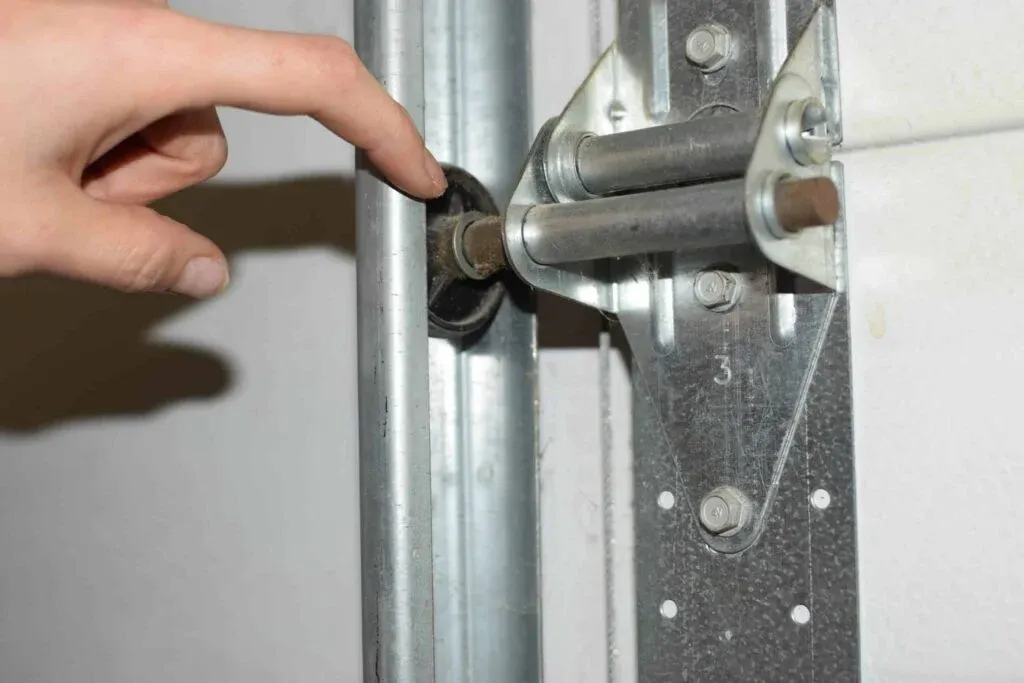
A thorough inspection can include the lifting cables, drums, rollers, hinges, bearings, tracks, bottom brackets, mounting points, opener, safety sensors, and overall door balance.
For example, if a cable has started fraying or has come off the drum, installing another spring without correcting the cable issue does not solve the underlying safety concern.
Likewise, damaged rollers or track problems can make a properly sprung door appear to have a spring problem.
Should Both Garage Door Springs Be Replaced?
When a garage door uses a pair of springs, replacing both at the same time is often worth discussing if one has failed and the springs are the same age and have similar cycle history.
This is not because one broken spring automatically means the other is defective. Rather, both springs have typically experienced comparable operating cycles. Replacing the pair can provide a more consistent balance and avoid another spring-related service call shortly afterward.
The decision should be based on the door's configuration, spring condition, age, and the technician's inspection.
How Long Do Garage Door Springs Last?
Spring life is usually discussed in terms of cycles rather than simply years. One cycle generally means the door opening and closing once.
Actual service life varies with spring quality, door weight, usage frequency, environmental conditions, installation accuracy, and maintenance. A garage door used several times every day will naturally accumulate cycles faster than one used occasionally.
This is why two doors installed at approximately the same time can have very different spring replacement schedules.
How to Reduce Spring and Garage Door Wear
Homeowners can reduce unnecessary strain by keeping the door and its hardware in good working condition.
Watch for changes in balance, unusual sounds, jerky movement, cable problems, and damaged rollers. Keep the tracks clear of obstructions, but avoid making adjustments to spring tension yourself.
Periodic professional inspections can also identify worn components before they interfere with the door's operation.
If your garage is attached to the home, paying attention to the door's condition is particularly useful because a malfunctioning door can affect daily access, security, and the ability to use the garage normally.
What Should You Ask Before Hiring a Garage Door Spring Replacement Service?
Before approving the repair, ask the technician what caused the failure and whether other components need attention.
It is also reasonable to ask what type of spring is being installed, whether the replacement is correctly matched to the door, whether related hardware will be inspected, and whether the technician will test door balance and safety features after installation.
A professional should be able to explain the repair in straightforward language rather than simply providing a price for a spring.
Be cautious if someone recommends replacing major components without explaining the reason or if the quoted repair does not include basic system testing.
When Should You Stop Using the Garage Door?
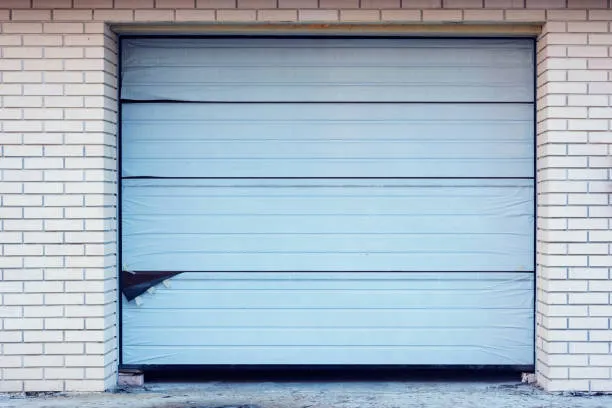
Stop operating the door if a spring has visibly broken, a lifting cable has come loose, the door is hanging unevenly, the door has become severely heavy, or a component appears bent or detached.
Do not repeatedly activate the opener to see whether the problem will correct itself. If the spring is no longer balancing the door, the opener may be forced to handle a load it was never designed to carry.
If the door is stuck closed, avoid forcing it upward. If it is stuck open, keep people and vehicles away from the area until the system can be safely assessed.
Final Advice From the Field
A broken garage door spring is inconvenient, but it does not always mean the entire garage door system needs replacement. In many cases, the right spring, proper installation, and a careful inspection of the surrounding hardware can restore normal operation.
The important part is getting the diagnosis right. Springs, cables, drums, rollers, tracks, hinges, and openers all work together. Fixing only the most obvious component can leave the underlying problem unresolved.
For homeowners considering Garage Door Spring Replacement in Clackamas, OR, focus on safe diagnosis, correct spring sizing, proper installation, and complete system testing. A qualified Garage Door Contractor should be able to explain what failed, why it failed, what needs to be replaced, and how the finished repair will be tested.



























Sign in to leave a comment.