

Whitening Creams: Uses, Benefits, Risks, and What to Know Before Using Them
Whitening creams, also called skin-lightening or brightening creams, are cosmetic products designed to reduce the appearance of dark spots, uneven skin tone, and hyperpigmentation. They are widely used by people who want a more even-looking complexion or wish to fade marks caused by acne, sun exposure, or hormonal changes.
However, not all whitening creams are the same. Their ingredients, effectiveness, and safety can vary considerably. Understanding what these products contain and how they should be used is important before adding one to a skincare routine.
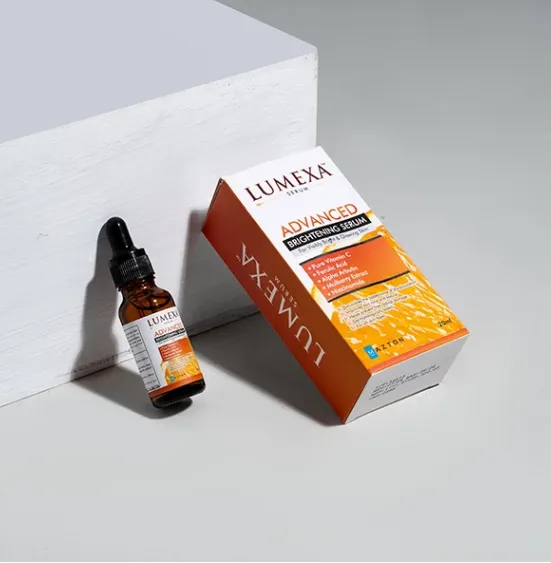
What Are Whitening Creams?
Whitening creams are topical products formulated to target excess melanin, the natural pigment responsible for skin color. Some products aim to reduce the production of melanin, while others mainly improve the appearance of pigmentation by exfoliating the skin or promoting skin renewal.
Common ingredients found in brightening products include niacinamide, vitamin C, kojic acid, alpha-arbutin, azelaic acid, and certain exfoliating acids. Some stronger treatments may contain prescription ingredients and should be used under medical supervision.
Why Do People Use Whitening Creams?
People commonly use these products to address:
- Dark spots and blemishes
- Post-acne marks
- Sun-induced pigmentation
- Uneven skin tone
- Melasma and other forms of hyperpigmentation
- Areas of discoloration
It is important to distinguish treating pigmentation from permanently changing a person's natural skin color. A safe skincare approach generally focuses on achieving a more even complexion rather than trying to alter someone's natural skin tone.

How Do Whitening Creams Work?
Different ingredients work in different ways. For example, niacinamide can help improve the appearance of uneven pigmentation, while vitamin C has antioxidant properties and may help brighten the appearance of skin. Exfoliating ingredients can remove dead skin cells and encourage smoother-looking skin.
Results are usually gradual. Depending on the cause and severity of pigmentation, noticeable improvement may take several weeks or longer. Using a product consistently and protecting the skin from sunlight are important parts of managing pigmentation.
The Importance of Sunscreen
One of the most important steps when treating dark spots is daily sun protection. Ultraviolet (UV) exposure can worsen pigmentation and make it more difficult for treatments to work.
Using a broad-spectrum sunscreen during the day can help protect the skin and reduce the chance of pigmentation becoming darker. Sunscreen should be reapplied as appropriate, especially during prolonged outdoor activities.
Are Whitening Creams Safe?
Safety depends largely on the ingredients and how the product is used. Some well-formulated brightening products can be suitable for regular skincare, while certain unregulated products may contain potentially harmful substances.
Consumers should be cautious of products that promise extremely rapid or dramatic whitening. Some illegally or poorly manufactured creams have been found in various markets to contain ingredients such as mercury or undisclosed corticosteroids, which can cause serious skin and other health problems when misused.
A product should have a clearly listed ingredient list and come from a reputable manufacturer or seller.
Possible Side Effects
Some people may experience:
- Dryness or peeling
- Redness
- Burning or stinging
- Skin irritation
- Increased sensitivity
- Worsening pigmentation after irritation
Using several strong active ingredients at the same time can increase the risk of irritation. People with sensitive skin should introduce new products gradually and discontinue use if significant irritation occurs.
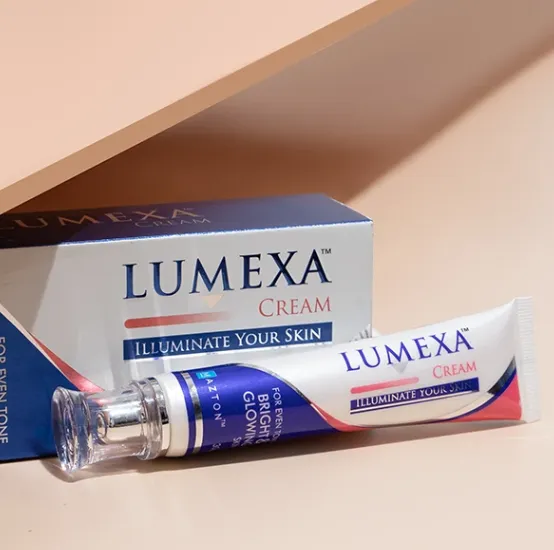
Choosing a Whitening or Brightening Cream
When selecting a product, consider the following:
- Check the ingredients. Look for clearly disclosed ingredients and avoid products with questionable or incomplete labeling.
- Choose reputable brands. Purchase from reliable retailers and manufacturers.
- Avoid unrealistic claims. Promises of dramatically lighter skin within a few days should be treated with caution.
- Use sunscreen. Sun protection is essential when addressing pigmentation.
- Patch test new products. Testing a small area first can help identify irritation or sensitivity.
- Seek professional advice for persistent pigmentation. A dermatologist can determine the underlying cause and recommend appropriate treatment.
Whitening Creams and Healthy Skin
Healthy skin does not have to meet a particular color standard. Skin naturally comes in a wide range of shades, and pigmentation differences are normal. Skincare products are most useful when they support healthy skin and address specific concerns such as sun damage or uneven pigmentation.
Rather than focusing solely on making the skin lighter, a balanced skincare routine can focus on hydration, sun protection, gentle cleansing, and managing pigmentation safely.
Conclusion
Whitening creams can help improve the appearance of certain types of hyperpigmentation, but their results and safety depend on their ingredients and proper use. Choosing a reputable product, avoiding potentially harmful ingredients, and using sunscreen are essential steps.
For persistent, widespread, or rapidly changing pigmentation, professional dermatological advice is recommended. The goal of skincare should be healthy, well-protected, and comfortable skin—not an unrealistic standard of skin color.

















Sign in to leave a comment.