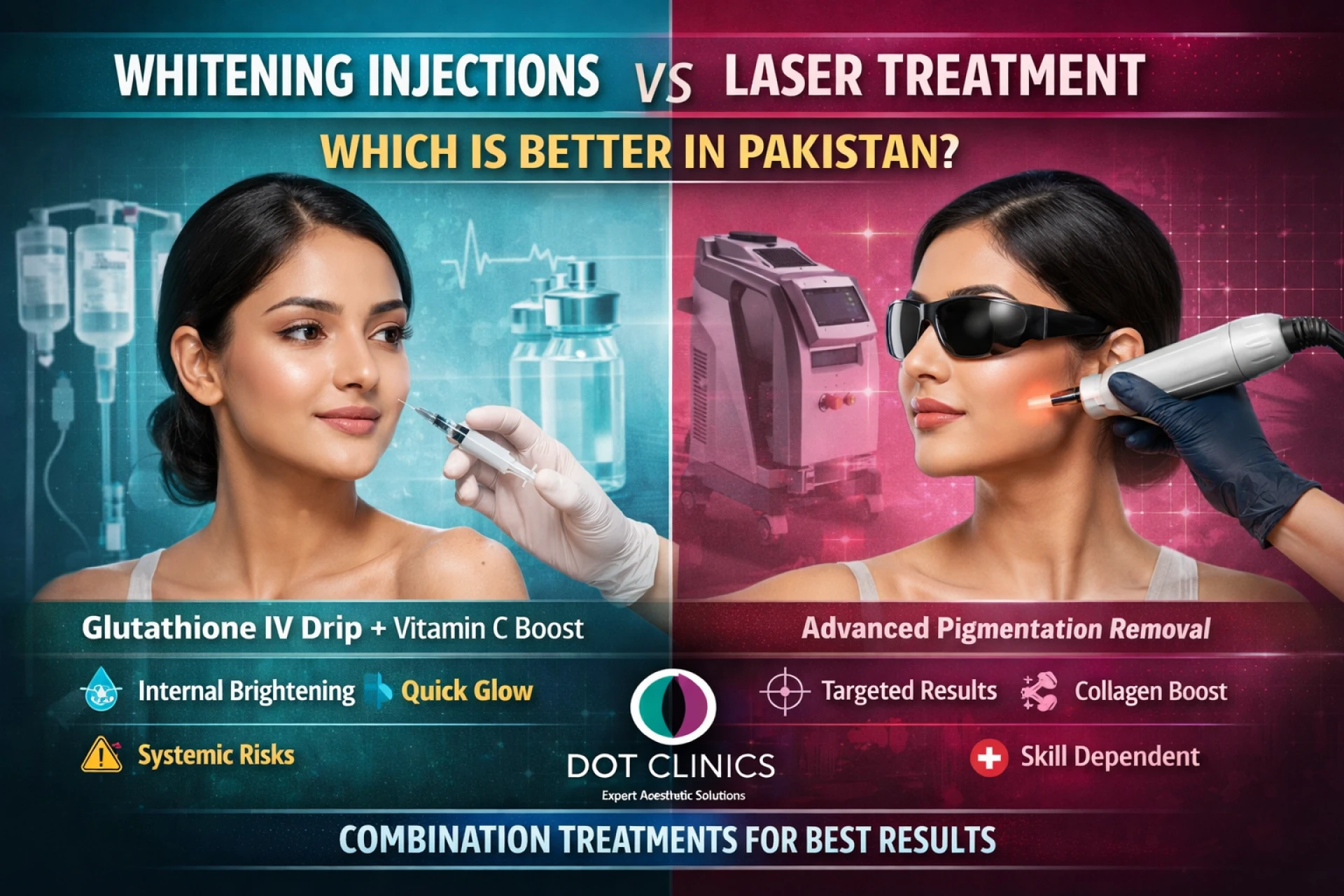
The New-Age Skin Brightening Debate: Injectable Glow vs Device-Based Precision
In Pakistan’s rapidly evolving aesthetic landscape—where “glass skin,” “melanin modulation,” “dermal biohacking,” and “precision laser resurfacing” dominate conversations—the debate between whitening injections and laser treatments has intensified.
Clinics like Dot Clinics are witnessing a surge in demand for both glutathione-based IV whitening protocols and laser-driven pigmentation correction systems, reflecting a shift toward evidence-informed aesthetic personalization.
But which is actually better for Pakistani skin types, climate exposure, and long-term results?
1. Whitening Injections: The Rise of Internal Skin Bio-Optimization
1.1 Mechanism: Systemic Skin Brightening via Antioxidant Engineering
Whitening injections—primarily powered by glutathione, often combined with vitamin C—work at a cellular level by reducing melanin production and neutralizing oxidative stress.
- Glutathione shifts melanin from eumelanin (dark pigment) to pheomelanin (lighter pigment)
- Acts as a master antioxidant, improving skin clarity from within
- Requires multiple systemic sessions (5–15+) for visible effects
Futuristic Insight:
This aligns with the global trend of “inside-out beauty”—where skin is treated as a metabolic organ rather than a surface.
1.2 Impact on Skin: Glow vs Structural Change
Short-Term Effects
- Brighter, more even tone
- Reduction in dullness and oxidative damage
- Improved hydration appearance
Long-Term Effects
- Temporary whitening (requires maintenance)
- Risk of uneven tone if overused
Skin Biology Reality:
Unlike lasers, injections do NOT physically remove pigment clusters—they regulate pigment production indirectly.
1.3 Risks & Bio-Compatibility Concerns
Despite hype, whitening injections carry systemic risks:
- Liver and kidney stress at high doses
- Hormonal imbalance and immune effects
- Allergic reactions, asthma triggers
- Lack of strong global regulatory approval for cosmetic use
Pakistan-Specific Concern:
Unregulated clinics and counterfeit products increase complications—making medical supervision critical
2. Laser Whitening: Precision Dermatology & Targeted Pigment Disruption
2.1 Mechanism: Selective Photothermolysis (AI-Like Skin Targeting)
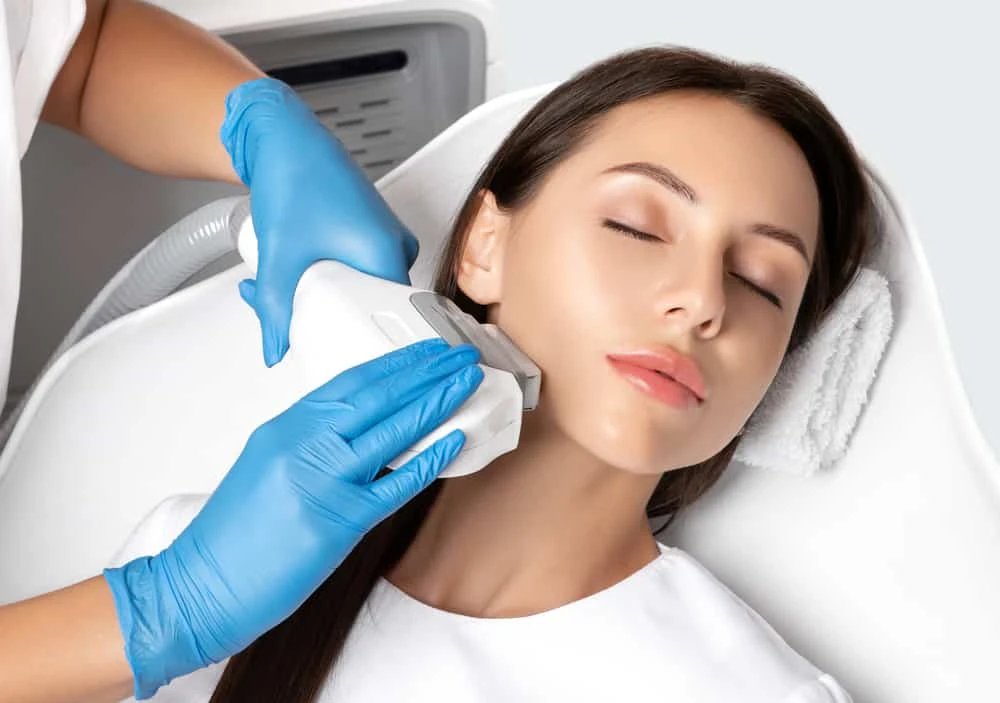
Laser treatments use focused light energy to break down melanin deposits in the skin.
- Targets hyperpigmentation directly at dermal level
- Stimulates collagen remodeling and skin renewal
- Sessions are quick (15–30 minutes) with minimal downtime
Futuristic Insight:
Modern lasers mimic “algorithmic skin correction”—targeting only damaged pigment while preserving healthy tissue.
2.2 Impact on Skin: Structural Transformation
Short-Term Effects
- Brighter complexion
- Reduced dark spots and pigmentation
Long-Term Effects
- Improved skin texture and clarity
- Results can last months to years with sun protection
Skin Biology Advantage:
Lasers physically destroy pigment clusters, offering more localized and controlled results.
2.3 Safety Profile: Controlled but Skill-Dependent
- Minimal side effects when done professionally
- Temporary redness or sensitivity
- Risk of post-inflammatory pigmentation in darker skin if poorly handled
Pakistan Insight:
For Fitzpatrick skin types IV–V (common in Pakistan), operator expertise is critical.
3. Whitening Injections vs Laser: A Strategic Comparison
3.1 Results & Longevity
- Injections: gradual, systemic glow but temporary
- Laser: targeted correction with longer-lasting outcomes
3.2 Skin Impact Depth
- Injections: biochemical modulation
- Laser: physical pigment destruction + collagen boost
3.3 Risk Profile
- Injections: systemic risks (organs, immunity)
- Laser: localized risks (burns, sensitivity)
3.4 Maintenance & Cost Psychology
- Injections require ongoing sessions
- Laser offers fewer but more impactful treatments
4. Emerging Hybrid Trend: The “Combination Protocol Era”
4.1 Why Clinics Are Combining Both
Leading aesthetic centers (including DotClinics.pk) are shifting toward:
- Laser + glutathione protocols
- “Layered skin optimization” strategies
- Personalized pigmentation mapping
Why It Works:
- Laser removes existing pigment
- Injections reduce future pigment production
4.2 The Rise of Personalized Aesthetic Algorithms
Future skin treatments in Pakistan are moving toward:
- AI-based skin analysis
- Genomics-driven pigmentation plans
- Climate-adaptive skincare (important in Multan heat)
5. Which Is Better in Pakistan? (Expert Verdict)
5.1 If Your Goal Is:
Instant Glow & Overall Brightening
→ Whitening injections (short-term aesthetic boost)
Pigmentation, Melasma, Acne Marks
→ Laser treatments (targeted correction)
Long-Term Skin Health & Safety
→ Laser or combination therapy under dermatological supervision
Final Thought: The Future Is Not “Either-Or” — It’s Smart Skin Engineering
The real shift in Pakistan’s aesthetic industry is not choosing between injections or lasers—it’s embracing:
- Precision dermatology
- Biochemical skin optimization
- Hybrid treatment protocols
Bottom Line:
- Laser = scientifically precise + longer-lasting
- Injections = trend-driven + systemic glow enhancer
The smartest choice?
A customized, doctor-led plan that combines both—based on your skin biology, not social media trends.




























Sign in to leave a comment.