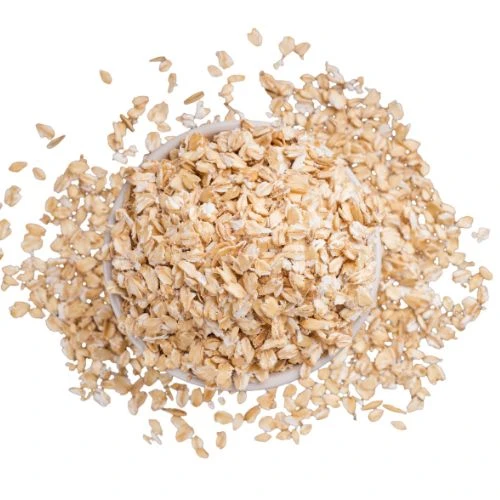

Learn how to buy wholesale oats: types, specs, packaging, docs (COA/Kosher), storage, and a simple checklist for bulk orders.
If you’re buying wholesale oats, you’re not just buying a grain. You’re buying consistency for your production line, your labels, and your customer promise. The right wholesale oats decision comes down to three things: the oat type, the quality specs, and the paperwork that proves it.
This guide walks you through what to choose, what to ask for, and how to avoid common bulk-buy mistakes.
Wholesale oats types and what each one is best for
All oats start as a groat, and the “type” is mostly about how it’s processed (cut, rolled, quick-cooked, or ground).
If you match the oat type to your use case, you’ll have fewer texture surprises and fewer reformulations.
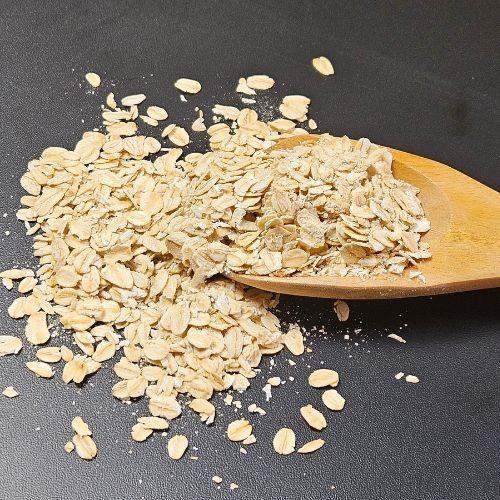
- Thick rolled oats / thick rolled oat flakes: Best when you want visible oat texture in granola, bars, cookie inclusions, and hearty oat toppings. Thick cuts hold their shape better in mixing and baking.
- Quick oats / quick oat flakes: Best for faster hydration. Helpful for batters, instant-style cups, and smoother textures where you still want real oats.
- Instant oat flakes: Best for very fast prep and fine texture. Good for sachets, instant mixes, and products that need fast water uptake.
- Oat flour: Best for bakery blends, breading, and gluten-free recipes where you want oat taste without oat pieces.
If you’re switching from one cut to another, treat it like an ingredient change. Even when nutrition is similar, the water absorption and mouthfeel can shift a lot.
Wholesale oats quality specs you should care about
When people say “quality,” they often mean “it behaves the same every time.” For wholesale oats, that usually comes down to safety basics plus a few measurable specs.
Moisture matters most. Codex lists a maximum moisture content of 14.0% m/m for oats, and also notes that lower limits may be needed depending on climate, transport time, and storage conditions.
Why it matters: higher moisture increases spoilage risk and can lead to clumping, odor issues, and shorter shelf life.
Cleanliness and defects matter. Codex also sets expectations like being free from abnormal odors and living insects/mites, plus limits for certain contaminants such as ergot.
For milling or large-scale processing, structure matters. Industry references discuss “milling quality” ideas like test weight and groat yield as common ways processors judge usable product.
If you buy wholesale oats for food manufacturing, these specs help you avoid expensive rework later.
Wholesale oats for gluten-free and organic claims
A key reality: oats are naturally gluten-free, but they are at high risk of cross-contact with wheat, barley, or rye during farming and handling.
So if you need gluten-free claims, you should only buy wholesale oats that are specifically labeled or certified gluten-free, with documentation to match.
If you need organic positioning, make sure your documents and lot tracking align with your label rules and audits. Many bulk suppliers position organic and gluten-free lines separately for that reason.
Wholesale oats packaging and shipping options
Packaging is not a detail. Packaging affects contamination risk, warehouse handling, and cost per pound.
For wholesale oats, common B2B options include:
- Retail-ready bags (for brands who pack and sell directly)
- Bulk totes or super sacks (for high-volume production)
Your packaging choice should match your receiving setup:
- If you have a dock, forklifts, and silo/bulk handling, super sacks can save labor.
- If you’re repacking into smaller formats, manageable bag sizes can reduce waste and spillage.
Quick wholesale oats buyer checklist (use this before you request a quote)
- Confirm the oat format: thick rolled, quick, instant, or flour (don’t assume “rolled oats” means one thing).
- Ask for a COA per lot: so you can match results to production batches.
- Confirm moisture targets: align with your climate and transit time (Codex max is 14.0%).
- Ask about allergen controls: especially if gluten-free matters.
- Decide packaging: retail-ready bags vs totes/super sacks based on your receiving and storage.
(That checklist alone prevents most “we bought the wrong oats” problems.)
Wholesale oats documentation you should request for audits
For many buyers, wholesale oats success is paperwork plus consistency.
Here are the documents that make audits easier:
- COA (Certificate of Analysis) for each batch/lot
- Kosher certification if your customers require it
- Gluten-free certification/controls if you will label it gluten-free
- Organic certification if you will label it organic
This is also how you protect yourself if a customer questions a claim later.
Frequently Asked Questions
How do I choose between rolled oats and steel-cut oats for production?
Rolled oats are steamed and flattened, so they hydrate faster and work well in many baked goods and mixes. Steel-cut oats are chopped groats, so they stay chewier and take longer to soften.
What moisture content is acceptable for oats in bulk shipments?
Codex lists 14.0% m/m maximum moisture for oats, and notes that some destinations may require lower moisture depending on transport time and storage conditions.
Are oats gluten-free?
Pure oats are gluten-free, but cross-contact with gluten grains is common. If you need gluten-free claims, buy only oats labeled/certified gluten-free with supporting documentation.
Do oats go bad, and what are signs of spoilage?
Yes. Oats can go stale or rancid, and they can be affected by moisture or pests. Watch for off smells, discoloration, mold, or insect activity, and store them airtight in a cool, dry place.
What is the best way to store oats in bulk?
Keep them dry and sealed, away from heat and humidity. Airtight containers help protect from moisture and pests, and cooler storage can help maintain quality longer.
What documents should a wholesale oats supplier provide?
At minimum, request a COA per shipment/lot. Many buyers also need Kosher documentation and, if applicable, gluten-free and organic documentation to support label and audit requirements.
Conclusion
Buying wholesale oats is easiest when you stop thinking like a shopper and start thinking like an operator. Pick the right cut for your product, set your must-have specs (especially moisture), choose packaging that fits your facility, and lock down your COA and certifications. Do that, and wholesale oats become a stable, low-drama ingredient you can build on batch after batch.





























Sign in to leave a comment.