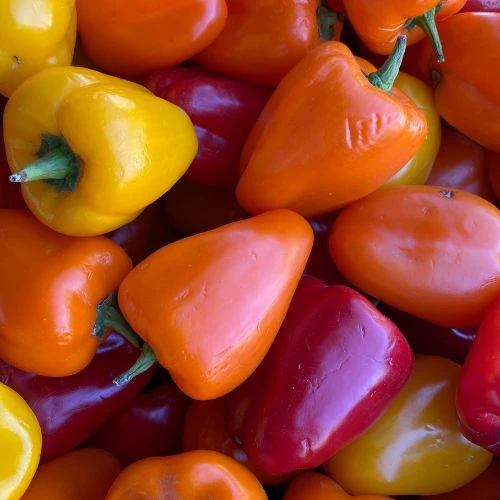

Learn how to source wholesale fruits and vegetables with consistent quality, clear specs, safe handling, and smooth delivery for your business.
Buying wholesale fruits and vegetables sounds simple until a shipment shows up with the wrong cut size, mixed grades, or packaging that does not fit your line or kitchen. If you are a food manufacturer, co-packer, restaurant group, smoothie brand, or meal prep company, your real goal is consistency. You need the same taste, the same yield, and the same specs every time you reorder wholesale fruits and vegetables.
This guide walks you through how to choose the right format (fresh vs frozen), what to ask a supplier, and how to place orders that reduce surprises. It is written for real buying situations where you care about lead times, documentation, and repeatable results with wholesale fruits and vegetables.
How to Buy Wholesale Fruits and Vegetables Without Surprises
Start by getting very clear on what “good” means for your business. A chef may care about appearance and ripeness. A manufacturer may care about brix, moisture, and piece size. When you buy wholesale fruits and vegetables, you should define success in a way that can be measured.
Here are two practical steps that prevent most issues:
- Write your spec before you request a quote. Include item name, variety (if needed), format (fresh, chilled, frozen), cut (diced, sliced, florets), piece size range, and packaging size. A simple spec makes your wholesale fruits and vegetables quotes comparable.
- Ask what documents come with every lot. For commercial production, you typically want traceability, allergen statements (where relevant), and food safety paperwork. If your buyer, auditor, or customer asks questions later, you do not want to chase paperwork after the fact when buying wholesale fruits and vegetables.
Choosing the Right Type of Wholesale Fruits and Vegetables for Your Use
Not every business needs fresh produce. Many businesses do better with frozen because it stabilizes supply and reduces prep labor. Your choice should match how you produce and serve food, and how often your menu or formula changes.
If you need speed and predictable yield, frozen formats (including individually frozen pieces) can help because you can pour, weigh, and portion without thawing a whole block. That matters when you are scaling. If you need appearance for a plate, fresh might still be best. The key is picking the type of wholesale fruits and vegetables that fits your process, not just your price target.
A simple way to decide:
- Fresh produce: Best when you need crisp texture, visual quality, or daily market flexibility. Harder to standardize week to week.
- Frozen produce: Best when you need stable specs, predictable cost, and easy portioning. Often simpler for inventory planning than fresh wholesale fruits and vegetables.
What to Ask a Wholesale Fruits and Vegetables Supplier Before You Buy
A good supplier does not just sell. They help you reduce risk. When you evaluate wholesale fruits and vegetables, your questions should focus on quality control, fulfillment, and how they handle problems.
Use this short checklist in your first call or email:
- What is the standard pack size and can it be adjusted? (Example: retail packs vs foodservice cases vs full pallet)
- What are the common cuts and piece sizes available? (Example: diced carrots, sliced peppers, broccoli florets)
- How is quality verified lot to lot? Ask what checks are done before shipping wholesale fruits and vegetables.
- What is the minimum order quantity? Also ask if mixed pallets are allowed.
- What is the lead time and shipping method? You want clear timelines and handling expectations.
- What happens if there is a spec mismatch? A professional supplier will explain their claim process clearly.
These questions protect you from the most common failure: ordering wholesale fruits and vegetables that are “close enough” for one team member, but not acceptable for your actual production needs.
How to Place a First Order for Wholesale Fruits and Vegetables
Your first purchase should be designed as a controlled test, not a massive commitment. Even if you plan to buy truckloads later, start in a way that lets you validate performance.
A smart first order has three parts:
First, order a quantity that you can fully inspect. Second, run it through your real workflow (prep line, kettle, blender, oven, packaging line). Third, document the outcome so your second order is easier.
For example, if you make soups, test how the veg holds texture after cooking and chilling. If you make baked goods, test how fruit behaves after thawing and baking. This is the difference between buying wholesale fruits and vegetables and buying ingredients that truly work in your product.
Frequently Asked Questions
What does “wholesale fruits and vegetables” mean?
It means buying produce in bulk quantities for business use, usually at a lower unit price than retail. Orders are often packed in cases, pallets, or larger formats.
How do I buy wholesale fruits and vegetables for a restaurant?
Start by listing your weekly volume and preferred pack sizes, then request quotes that match your menu needs. Confirm lead times, delivery days, and quality standards before placing repeat orders.
Is frozen produce cheaper than fresh produce for wholesale buying?
It depends on season and item, but frozen can reduce labor, waste, and spoilage costs. Many buyers choose frozen when they need consistent specs and predictable yield.
What should I check when a wholesale produce shipment arrives?
Check packaging condition, temperature control (if chilled or frozen), lot labels, and whether the product matches your spec (cut size, grade, ripeness, and overall quality).
What is the best way to store wholesale fruits and vegetables?
Store based on the format: refrigerated for fresh and frozen storage for frozen items. Use FIFO (first in, first out), keep products sealed, and avoid temperature swings to protect quality.
What documents should a wholesale produce supplier provide?
Common documents include traceability details, food safety and handling information, and product specifications. If you have special needs, ask for certification paperwork relevant to your requirements.
Conclusion: Keeping Wholesale Fruits and Vegetables Consistent
The best buying decision is the one you can repeat without stress. When you treat wholesale fruits and vegetables as a system (clear specs, smart questions, controlled first orders, and documented results), you stop gambling on every shipment. You get consistent ingredients, smoother production, and fewer last-minute fixes. If you want your supply chain to feel calm, start with clarity and let every reorder of wholesale fruits and vegetables get easier than the last.




























Sign in to leave a comment.