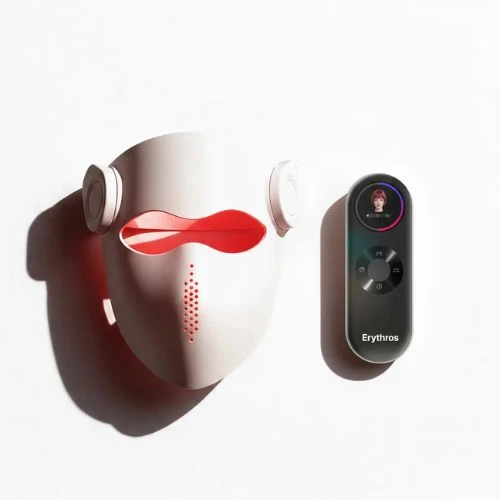

Learn how Red Light Therapy For Face works, what it helps, how to use a mask safely, and what results to expect with steady use.
If your skin looks tired, feels rough, or breaks out often, you’ve probably seen red light masks all over the internet. The idea sounds simple: light on your face, better skin. But the real value comes from using it the right way, safely, and with realistic goals. Red Light Therapy For Face can be a helpful add-on for acne, redness, and early signs of aging, but it is not a one-time fix. Dermatology groups also note the results depend on the device and consistent use.
Red Light Therapy For Face: What it is and how it works
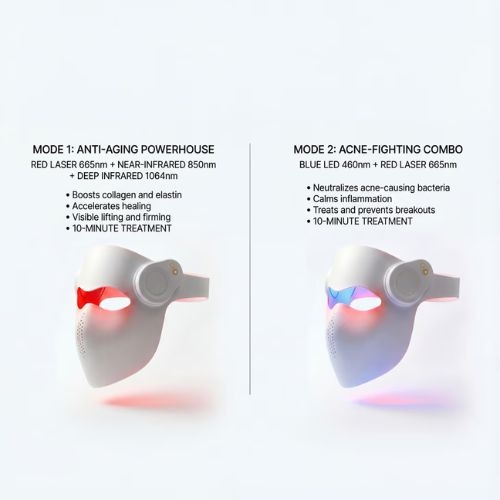
Red Light Therapy For Face is a type of low-level light treatment (often called photobiomodulation). It uses specific red and sometimes near-infrared light to support how skin cells make energy. When cells have better energy support, your skin may handle inflammation better and repair itself more smoothly over time.
This is why people use Red Light Therapy For Face for:
- Fine lines and early wrinkles
- Mild redness and irritation
- Acne support (often with blue light in some devices)
- Post-blemish marks and uneven tone (results vary)
Important: Red Light Therapy For Face is not UV light. UV is the type linked to sun damage and skin cancer risk. Red light is different, and major medical sources generally describe it as low risk when used as directed.
Red Light Therapy For Face: What it can help and what it can’t
Here’s the honest view. Red Light Therapy For Face can help most when your goals are “calm and steady improvement,” not “overnight change.”
Where Red Light Therapy For Face tends to help (most common use cases):
- Texture support: Skin can feel smoother with steady use over weeks.
- Inflammation support: Some people notice less redness or less “angry” breakouts.
- Fine line support: Red light is commonly used for signs of aging like wrinkles and sagging.
Where Red Light Therapy For Face is limited:
- Deep wrinkles will not “erase” like fillers or in-office procedures.
- Hormonal or severe acne usually needs a full plan (skincare + medical guidance).
- Dark spots and melasma are tricky; some people need dermatologist guidance first.
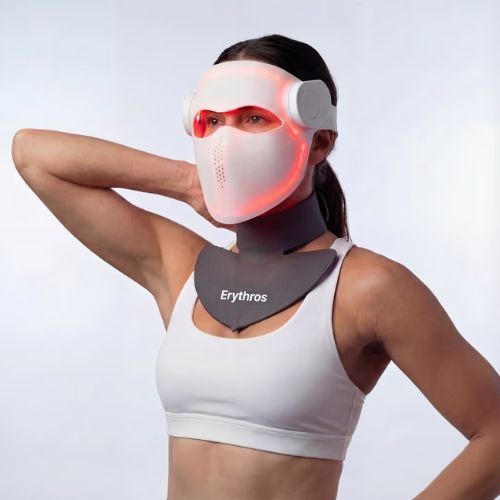
Red Light Therapy For Face: How to use it step by step (the safe way)
If you want Red Light Therapy For Face to actually work, your routine needs to be boring and consistent.
- Start with a clean, dry face. Makeup, sunscreen, and thick creams can block light from reaching the skin evenly.
- Follow the device timing exactly. Many sessions are around 10–20 minutes, a few times per week, but instructions vary by device and power.
- Protect your eyes if your device requires it. Some masks are designed to be used without goggles, but don’t assume. If your device mentions eye protection, use it.
- After the session, apply simple hydration. A basic moisturizer can support your skin barrier after Red Light Therapy For Face.
- Track results the right way: take a photo in the same lighting every 2 weeks. Skin changes are slow, and memory is unreliable.
Red Light Therapy For Face: Safety checklist and who should avoid it
Red Light Therapy For Face is usually described as low risk, but misuse still causes problems (mainly irritation, warmth, or eye discomfort).
Use this safety checklist before you begin:
- Do a patch test week: fewer sessions to see how your skin reacts.
- Stop if you get burning, blistering, or strong irritation and reassess your device/time.
- Be cautious if you take photosensitizing medicines (some antibiotics and other meds can increase light sensitivity).
- Ask a dermatologist first if you have a history of skin cancer, a photosensitive condition, or an active skin condition flare.
If you’re unsure, the safest move is to bring your exact device name to a dermatologist and ask if Red Light Therapy For Face fits your skin goals.
Frequently Asked Questions
Does red light therapy work for the face?
Red Light Therapy For Face can help with fine lines, redness, and acne support for some people, especially with consistent use. Results depend on the device and routine.
How often should I use red light therapy on my face?
Many guides describe sessions around 10–20 minutes, a few times per week, but there is no single universal schedule. Follow your device instructions.
Should I use red light therapy before or after skincare?
Most guidance recommends clean, dry skin first, then apply moisturizer after. Thick products beforehand may reduce light reaching the skin.
Are LED red light masks safe for the eyes?
Safety depends on the device design. Some masks state they can be used without goggles, while others recommend eye protection. Follow the manufacturer’s safety guidance.
Can red light therapy help acne on the face?
Light therapy can support acne care, and evidence suggests LED treatments can help acne outcomes in some cases. But moderate or severe acne may still need medical treatment.
What are the side effects of red light therapy on the face?
Side effects are usually mild and can include temporary redness, dryness, or irritation. Overuse or incorrect use can cause more serious irritation like burns or blisters.
Conclusion
Red Light Therapy For Face is best thought of as a steady, low-drama skincare tool. It can support calmer skin, smoother texture, and early anti-aging goals when you use it consistently, follow the device instructions, and keep your expectations realistic. Start simple: clean face, correct session time, basic moisturizer after, and a weekly routine you can actually stick with.

























Sign in to leave a comment.