
Learn how a red light therapy face mask works, who it helps, how to use it safely, and what results to expect with consistent use.
A Red Light Therapy Face Mask is an at-home device that shines specific wavelengths of light onto your skin to support calmer, healthier-looking skin over time. Dermatologists note that red light is commonly used for concerns like signs of aging, and it’s often marketed for acne and skin tone too.
This guide explains what it does, how to use it, how to stay safe, and how to pick one that’s actually worth your time.
Red Light Therapy Face Mask: What it is and how it works
A Red Light Therapy Face Mask uses non-heat light (often red, sometimes near-infrared) to support your skin’s natural repair processes. You’ll also hear this called photobiomodulation (PBM). In simple terms: the light energy is absorbed by cells, which may help with things like visible redness, texture, and fine lines when used consistently.
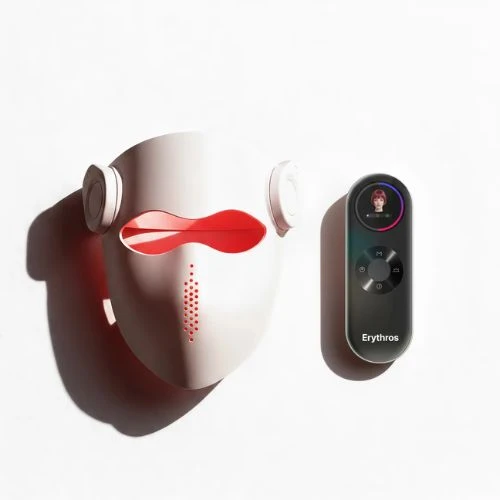
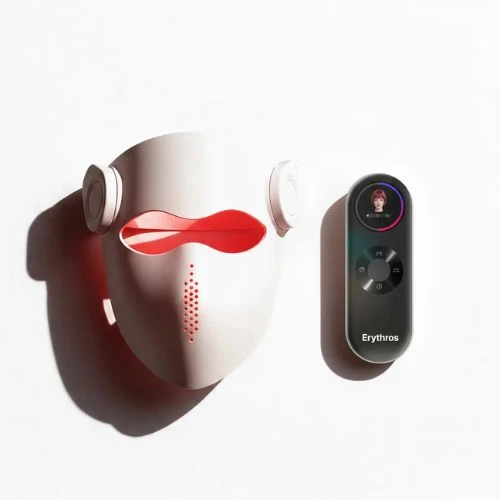
Some masks use LEDs; others use lasers. For example, Erythros states its Laser Pro Mask uses 164 medical-grade VCSEL lasers, offers a 10-minute daily treatment, and is FDA-cleared.
Red Light Therapy Face Mask benefits: what people use it for
Most people buy a Red Light Therapy Face Mask for one (or more) of these goals:
- Fine lines and early wrinkles: Red light is commonly discussed for improving the look of aging skin over time.
- Acne support: Some at-home light devices combine red and blue light for acne-prone skin, and clinical studies exist in this area.
- Redness and “angry skin” days: Red light is often used because it may calm visible irritation.
- Skin texture and glow: Many users chase smoother-looking skin and more even tone with steady use.
One important thing: a Red Light Therapy Face Mask is not an overnight fix. Most benefits people talk about come from doing short sessions again and again, not from one long session.
Red Light Therapy Face Mask: how to use it (simple routine)
Using a Red Light Therapy Face Mask is easy, but consistency matters more than effort.
Before you start: wash your face and dry it fully. Skip strong acids or retinoids right before a session if your skin is easily irritated.
During the session: follow your device’s instructions. Many at-home routines are around 10–20 minutes per session, a few times per week, and some brands recommend daily use depending on the device.
After the session: apply a gentle moisturizer. If you use actives, add them later in your routine or on alternate nights if you’re prone to dryness.
Red Light Therapy Face Mask safety: do it right and avoid mistakes
A Red Light Therapy Face Mask is generally considered low-risk when used correctly, but misuse can cause problems (like irritation, burns, or eye discomfort).
Here are the most important safety habits:
- Protect your eyes: Use built-in eye shields if included, or keep eyes closed. Don’t stare at the light.
- Don’t “double up” sessions: Longer isn’t better. Overdoing time can irritate skin.
- Be careful with photosensitizing meds: If you’re on medications that increase light sensitivity, ask a clinician first.
- Pause if your skin feels hot or stings: Mild warmth is one thing, burning is another.
If you have melasma, a history of light-triggered conditions, or you’re treating a medical skin issue, it’s smart to check with a dermatologist before starting red light at home.
Red Light Therapy Face Mask: what to look for when buying
Not all devices are equal. When comparing a Red Light Therapy Face Mask, focus on what actually changes outcomes:
- Wavelength clarity: Red is often in the 630–660 nm range; near-infrared is often around 830–850 nm in many devices.
- Type of light source: LEDs are common; lasers are less common and marketed as more targeted. (Brand claims vary, so look for clear specs and credible validation.)
- Comfort and fit: Light that doesn’t sit close to the skin may be less consistent in real life because you’ll stop using it.
- Claims you can verify: Be cautious with “miracle” promises. Look for FDA clearance where relevant and transparent documentation.
If you’re comparing LED vs. laser options, Erythros positions lasers as more focused and deeper-penetrating, and notes its mask is FDA-cleared and wireless.
Frequently Asked Questions
What does a Red Light Therapy Face Mask do?
A Red Light Therapy Face Mask shines specific light wavelengths onto skin to support healthier-looking texture, tone, and visible calmness with consistent use.
How often should I use a Red Light Therapy Face Mask?
Many at-home routines are 10–20 minutes, 2–5 times per week, but you should follow your device instructions and stay consistent.
Can a Red Light Therapy Face Mask help acne?
Some FDA-cleared light masks (often combining blue and red light) are used for mild-to-moderate acne, and clinical studies support light therapy as an acne option.
Is a Red Light Therapy Face Mask safe for home use?
Generally yes when used as directed, but misuse can irritate skin or bother eyes. If you’re on photosensitizing meds or have a skin condition, check with a clinician.
Can I use skincare products with a Red Light Therapy Face Mask?
Yes, but keep it simple. Use the mask on clean, dry skin, then moisturize after. If you’re sensitive, avoid strong actives right before sessions.
How long does it take to see results from a Red Light Therapy Face Mask?
It depends on your goal and how consistent you are. Many sources emphasize that results require repeated sessions over time, not one-off use.
Conclusion
A Red Light Therapy Face Mask can be a solid, simple add-on if you want a calm, steady skincare tool that rewards consistency. Treat it like brushing your teeth: small daily (or near-daily) effort, done correctly, adds up. Choose a device with clear specs, use it safely, keep your routine gentle, and give it time to work.

























Sign in to leave a comment.