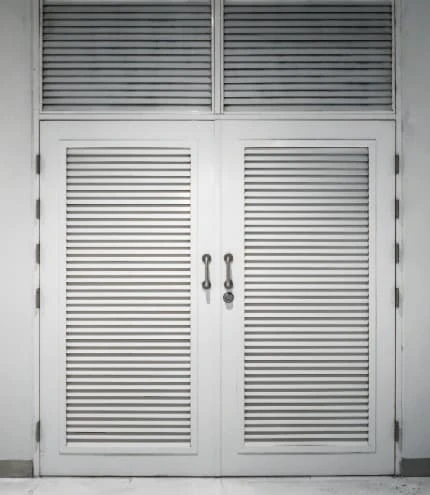

A boiler room is an essential part of many commercial and industrial buildings, playing a central role in providing heating, steam, and hot water to the facility. However, with the high risks associated with boilers, it is crucial that the room housing them is properly secured to ensure both safety and efficiency. One of the most important components of a boiler room’s infrastructure is the boiler room door. This seemingly simple element plays a significant role in safeguarding personnel and equipment while also contributing to the operational efficiency of the entire system.
In this article, we will explore why a boiler room door is so critical for safety and efficiency, touching on aspects such as fire prevention, security, compliance with building codes, and maintenance.
The Importance of Safety in a Boiler Room
A boiler room typically houses equipment that generates high temperatures, pressurizes fluids, and often involves combustible fuels. These elements create numerous hazards that can put both people and property at risk if proper safety measures are not in place.
Fire Prevention and Control
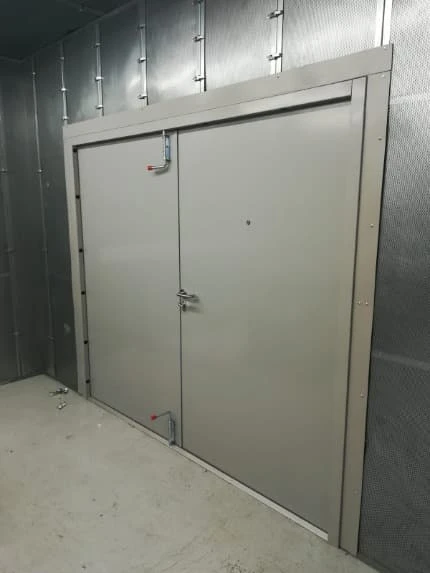
One of the primary concerns in any boiler room is the risk of fire. Boilers can produce extreme heat, and if not properly maintained, they can malfunction and lead to a fire hazard. A boiler room door acts as a fire-resistant barrier that helps contain fires should they occur. Many doors are made from fire-rated materials that are designed to withstand intense heat for a specified period, allowing enough time for evacuation and preventing the spread of flames to other areas of the building.
Containment of Hazardous Gases
Boilers, especially those powered by natural gas or other fuels, can release potentially harmful gases such as carbon monoxide. A well-sealed boiler room door prevents these gases from leaking into other parts of the building. This is critical for both the health and safety of employees or occupants, as exposure to such gases can lead to severe health issues or even death.
Efficiency and Operational Control
While safety is the primary concern, a boiler room door also contributes to the efficient operation of the heating system itself. Properly designed and installed doors help maintain the right environment for optimal boiler performance.
Temperature Regulation
A boiler room door helps maintain the temperature within the boiler room, ensuring that external factors do not affect the operation of the boiler. Temperature fluctuations can cause boilers to operate inefficiently or even malfunction. A high-quality, well-insulated door keeps the room at a consistent temperature, which is essential for maintaining boiler efficiency and reducing energy costs.
Noise Control
Boilers can produce significant noise, which can be disruptive to workers in nearby areas. A solid, well-built door helps reduce sound transmission, keeping the noise contained within the boiler room. This contributes to a quieter and more comfortable work environment, especially in facilities with multiple workers or in buildings with sensitive areas such as offices or residential spaces.
Compliance with Regulations
In addition to contributing to safety and efficiency, a boiler room door is often required by law to meet specific safety standards. Compliance with these regulations ensures that the building owner avoids penalties and that the boiler room is safe for everyone involved.
Fire Code Compliance
Most building and fire codes require that boiler rooms be equipped with fire-rated doors to prevent the spread of flames in case of a fire. These doors must meet certain criteria, such as a specific fire-resistance rating (typically measured in hours). By adhering to fire code regulations, a business ensures that the building is compliant with the law and that insurance coverage remains intact in the event of an incident.
Building Code Compliance
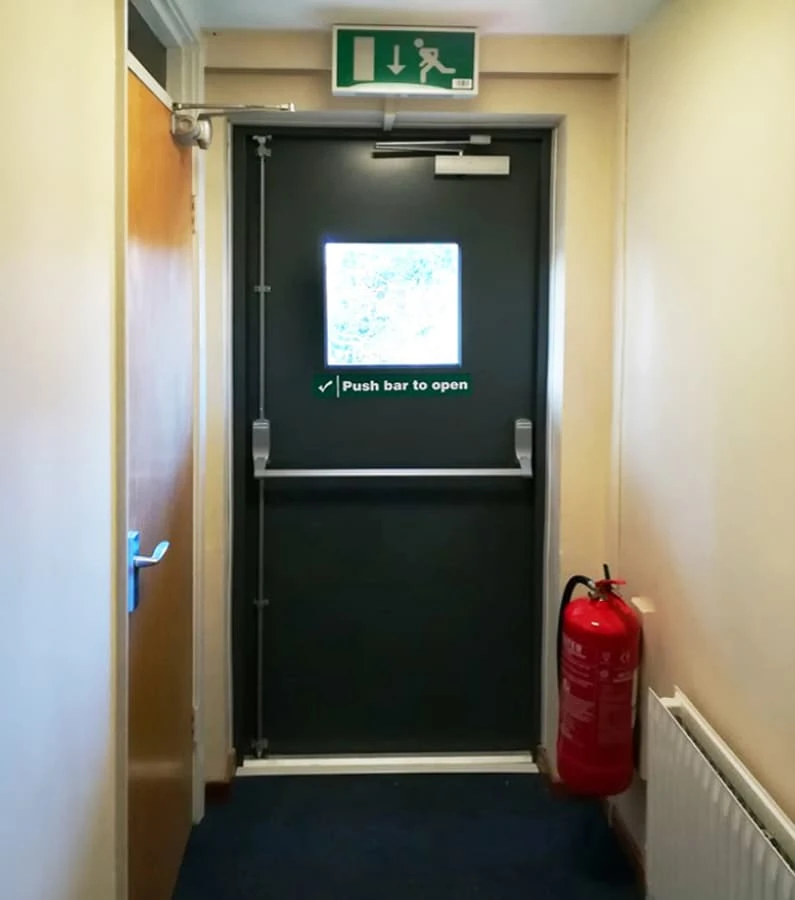
Building codes may also stipulate that doors to boiler rooms must be equipped with specific features, such as self-closing mechanisms, panic bars, and locking systems. These measures are designed to ensure that the door can be quickly and easily closed or opened in an emergency, without compromising safety. Compliance with these standards ensures the safety of employees and any emergency responders who may need access to the boiler room in case of a disaster.
Security and Access Control
In addition to safety, a boiler room door serves a critical role in securing the area and controlling access. Boilers are often found in high-risk areas, such as industrial plants, power stations, or large commercial buildings, where unauthorized access can lead to both safety hazards and theft.
Preventing Unauthorized Access
A sturdy and secure door prevents unauthorized personnel from entering the boiler room. This is important because only qualified personnel should have access to the boiler and its controls.
Unauthorized access could result in accidents, malfunctions, or deliberate sabotage. Additionally, the boiler room often houses expensive equipment and materials, making it a target for theft or vandalism. A strong, secure door helps protect these assets.
Easy Emergency Access
While the door is critical for restricting unauthorized access, it must also provide easy emergency access for authorized personnel. Emergency situations such as equipment malfunctions, fires, or gas leaks may require immediate intervention. Boiler room doors equipped with emergency exit features like panic bars or keyless entry systems allow authorized personnel to quickly respond to emergencies while preventing the door from being blocked or obstructed.
Maintenance and Longevity
The durability and longevity of a boiler room door are crucial to maintaining the safety and efficiency of the facility over time. A well-maintained door ensures that the boiler room continues to function as intended, reducing the likelihood of failures and costly repairs.
Ease of Maintenance
Boiler room doors should be designed with ease of maintenance in mind. Regular inspection and upkeep are required to ensure that the door continues to function properly. Doors made from materials resistant to corrosion, wear, and tear are ideal for the boiler room environment, which can often involve high temperatures and humidity. A door that is easy to maintain also reduces the downtime of the boiler room, ensuring that the heating system remains operational and efficient.
Long-Term Investment
A high-quality boiler room door is a long-term investment. While the initial cost of installation might be higher for doors with better fire resistance, insulation, and security features, the benefits outweigh the costs. These doors help reduce energy consumption, minimize the risk of accidents, and comply with regulations, all of which contribute to the overall efficiency and safety of the boiler room.
Conclusion
A boiler room door is far more than just a functional entryway; it is a crucial component in maintaining the safety, efficiency, and compliance of the entire boiler system. From preventing the spread of fires and hazardous gases to ensuring operational efficiency and securing the room from unauthorized access, the importance of a well-designed and well-maintained door cannot be overstated.
By ensuring that your boiler room door meets the necessary safety standards and is equipped with the right features, you are making a significant contribution to the long-term success of your building's operations.
For more information about high-quality security doors and solutions tailored to your specific needs, contact Security Doors Direct. We provide durable and reliable doors designed to meet the unique requirements of boiler rooms and other critical areas in your building.



























Sign in to leave a comment.