

In any building, whether residential, commercial, or industrial, safety is paramount. Among the various safety features, exit fire doors are critical in safeguarding the lives of individuals during an emergency. These doors are designed to slow or prevent the spread of fire, offering a vital escape route during a crisis. But what makes them so essential for both property protection and human safety? This article will explore the importance of exit fire doors, their design and functionality, legal requirements, and why they should be a priority for every building owner and manager.
What Are Exit Fire Doors?
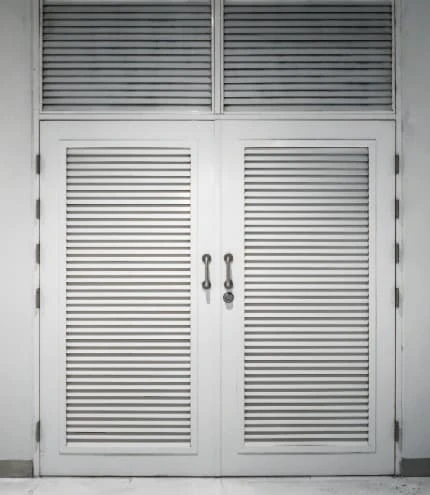
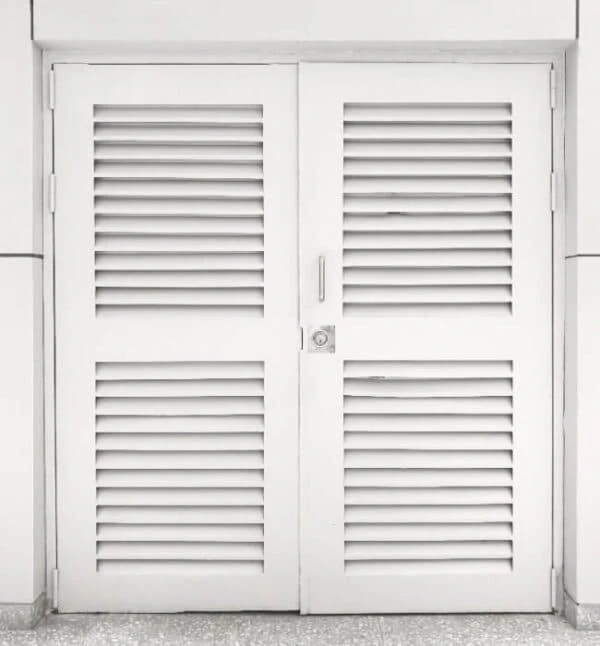
Exit fire doors are specially designed doors that help control the movement of smoke, heat, and flames during a fire emergency. These doors are part of a building's fire protection strategy and are typically located along escape routes, leading people to safe exit points. They are constructed with fire-resistant materials and equipped with mechanisms that prevent them from being easily opened during a fire unless an emergency occurs.
The Role of Exit Fire Doors
Exit fire doors are built to serve as a barrier between a fire and the people inside a building. Their primary purpose is to:
- Contain the spread of fire and smoke: Fire doors help compartmentalize a building, allowing the fire to be contained in one area for a longer period of time.
- Provide a safe exit route: In the event of a fire, these doors enable occupants to escape safely and quickly.
- Protect property and infrastructure: By slowing the spread of fire, exit fire doors help minimize property damage.
The Design and Features of Exit Fire Doors
Exit fire doors come in various designs and configurations, but all share one common goal fire protection. Their construction is subject to strict standards that ensure they are capable of withstanding extreme heat and preventing the passage of smoke.
Fire Resistance Rating
The fire resistance rating is one of the most important features of an exit fire door. It indicates how long the door can resist the fire before it becomes compromised. The ratings typically range from 30 minutes to 120 minutes. The higher the rating, the longer the door can prevent the spread of fire and smoke.
Materials Used in Exit Fire Doors
The materials used to construct exit fire doors are specifically chosen for their ability to resist heat. Common materials include:
- Solid core timber: Often used in combination with fire-resistant glass, this material can offer a good balance between durability and aesthetic appeal.
- Steel: Steel fire doors are highly durable and resistant to extreme heat, making them ideal for high-risk areas.
- Glass panels: Some fire doors are fitted with fire-resistant glass, allowing light to pass through while still providing fire protection.
Self-Closing Mechanism
One of the most critical features of an exit fire door is its self-closing mechanism. This ensures that the door remains closed in the event of a fire, preventing smoke and flames from entering escape routes. Many exit fire doors also feature a hold-open device that can be released automatically when the fire alarm is triggered.
Panic Bars and Emergency Exit Hardware
To ensure quick and safe evacuation, exit fire doors are equipped with panic bars or emergency exit hardware. These mechanisms allow doors to be opened with minimal effort, even by individuals who may be disoriented or panicked.
Why Exit Fire Doors Are Vital for Safety
Exit fire doors are integral to building safety for several reasons. Their presence can mean the difference between life and death during a fire emergency, as well as significant protection for property.
Protection for Occupants
When a fire breaks out, the primary concern is always the safety of those inside the building. Exit fire doors provide a vital escape route, reducing the risk of injury or death caused by smoke inhalation, burns, or getting trapped in a fire. Fire doors are strategically located along escape routes, often in stairwells or hallways, to ensure that building occupants have a clear and safe path to the outside.
In the chaos of a fire, many people become disoriented or unable to exit quickly. Exit fire doors are designed to ensure that evacuation remains possible even under such stressful conditions. This feature is particularly crucial in buildings with high occupancy, such as office buildings, schools, and healthcare facilities.
Limiting Property Damage
While saving lives is the top priority, minimizing property damage is also a key concern. Fires can cause significant damage to both the structure of the building and the valuable contents inside. Exit fire doors help contain the fire in a specific area, limiting its spread and giving firefighters a better chance to contain the blaze before it spreads to the entire building.
Compliance with Building Codes and Fire Safety Regulations
Exit fire doors are not just a matter of safety; they are also a legal requirement. Many jurisdictions have strict fire safety codes that mandate the installation of fire doors in commercial, industrial, and multi-residential buildings. These regulations are put in place to ensure the safety of occupants in the event of a fire and to reduce the risk of fire-related injuries and fatalities.
In some cases, failing to comply with fire safety regulations can result in severe penalties, including fines and lawsuits. Ensuring that exit fire doors are properly installed and maintained is essential for meeting legal requirements and protecting both your property and your occupants.
Regular Maintenance and Inspection of Exit Fire Doors
To ensure that exit fire doors continue to function effectively, regular maintenance and inspection are essential. Over time, doors can suffer wear and tear from frequent use, which may affect their fire resistance.
Routine Inspections
Fire doors should be inspected periodically to check for issues such as:
- Damage to the door or frame: Any cracks or holes in the door could compromise its ability to resist fire.
- Functional mechanisms: The self-closing mechanism, hinges, and emergency hardware should be tested to ensure they are in good working order.
- Seals: Fire doors are equipped with special seals that prevent the passage of smoke and heat. These seals must be checked for wear and replaced if necessary.
Repair and Replacement
If any issues are identified during an inspection, the fire door should be repaired immediately. In some cases, a door may need to be replaced entirely, especially if it has suffered significant damage that compromises its ability to protect people and property.
The Legal Requirements for Exit Fire Doors
As mentioned earlier, the installation and maintenance of exit fire doors are governed by building codes and fire safety regulations. These regulations vary depending on location, but there are several common standards that most jurisdictions follow.
National Fire Protection Association (NFPA) Standards
In the United States, the National Fire Protection Association (NFPA) provides guidelines for the installation and maintenance of fire doors. NFPA 80 outlines the standards for fire door assemblies, including specifications for materials, testing, and maintenance. Compliance with these standards is mandatory in many areas, and failure to adhere to them could result in penalties or increased liability in the event of a fire.
International Building Code (IBC)
For buildings outside the United States, the International Building Code (IBC) provides similar regulations governing fire safety. The IBC sets out the requirements for fire doors in commercial and residential buildings, ensuring that they are properly installed, maintained, and inspected.
Conclusion
In conclusion, exit fire doors are a critical component of any fire safety plan. They protect the lives of building occupants by providing a safe escape route, limit the spread of fire and smoke, and help minimize property damage. Additionally, they are essential for compliance with local building codes and fire safety regulations.
Regular inspection and maintenance are necessary to ensure that these doors remain functional and effective in an emergency. When properly installed and maintained, exit fire doors play an irreplaceable role in safeguarding both people and property.
For any property owner or manager, ensuring the proper installation and upkeep of fire doors should be a priority. Investing in high-quality, reliable fire doors can save lives, reduce property damage, and ensure compliance with fire safety laws.
At Security Doors Direct, we understand the importance of providing robust security and fire protection solutions. Reach out to us today to learn more about how our range of exit fire doors can help protect your property and people.




























Sign in to leave a comment.