

Modern buildings rely on a wide range of mechanical and electrical systems to function efficiently and safely. These systems are usually housed in dedicated spaces known as plant rooms. Because plant rooms contain critical equipment, access to them must be carefully controlled and protected. This is where plant room doors play a vital role. Designed to meet strict safety, security, and performance requirements, plant room doors are an essential component of commercial, industrial, and residential buildings. Understanding what plant room doors are and why they are important helps building owners and facility managers make informed decisions that support long term safety and efficiency.
Understanding Plant Rooms in Buildings
Plant rooms are dedicated areas within a building that house mechanical and electrical equipment required for daily operation. These rooms are often restricted areas due to the nature of the equipment inside.
Purpose of Plant Rooms
Plant rooms typically contain systems such as boilers, generators, pumps, electrical panels, air handling units, and water management equipment. These systems support heating, cooling, power distribution, ventilation, and other essential building functions. Because of their importance, plant rooms must remain secure and accessible only to authorized personnel.
Common Locations of Plant Rooms
Plant rooms can be found in basements, rooftops, external enclosures, or within service areas of a building. Their location depends on the type of building and the systems installed. Regardless of location, the access point to a plant room must be properly protected.
What Are Plant Room Doors?
Plant room doors are specially designed access doors that provide entry to plant rooms while meeting specific safety and performance standards. They are not ordinary doors but purpose built solutions tailored to the demands of technical environments.
Key Characteristics of Plant Room Doors
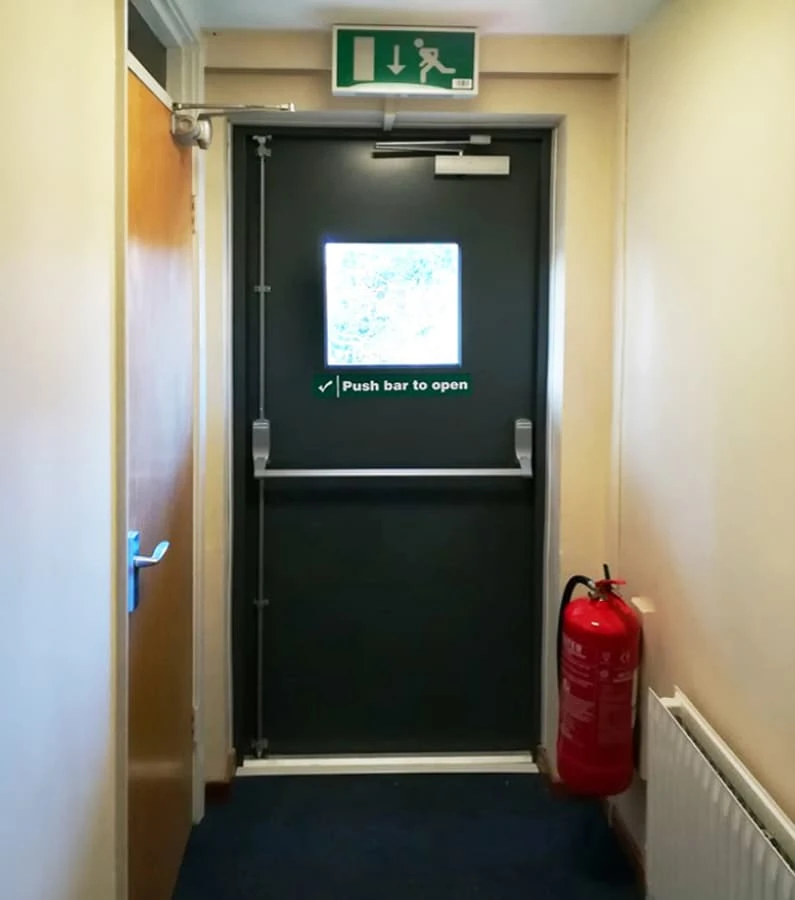
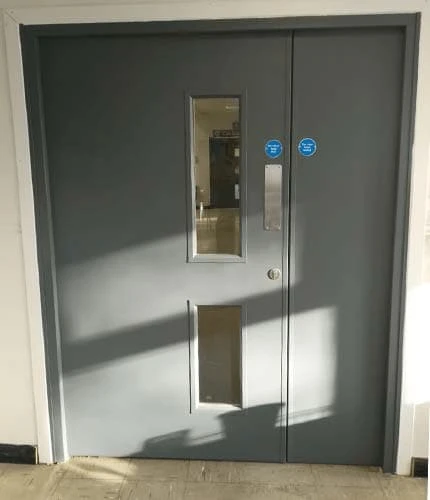
Plant room doors are typically made from strong materials such as steel. They are designed to withstand heavy use, resist impact, and support additional features such as ventilation or fire resistance. Their construction ensures that they perform reliably in demanding conditions.
Difference Between Plant Room Doors and Standard Doors
Unlike standard doors, plant room doors are engineered with safety and compliance in mind. They often include reinforced frames, secure locking systems, and features that support building regulations. These doors prioritize function and protection over purely aesthetic considerations.
The Importance of Safety in Plant Room Access
Safety is one of the primary reasons plant room doors are essential. The equipment housed inside plant rooms can pose significant risks if accessed improperly.
Protecting Building Occupants
Plant room doors help prevent unauthorized access to potentially dangerous equipment. This reduces the risk of accidents, injuries, or tampering that could affect building occupants.
Supporting Fire Safety Measures
Many plant rooms contain equipment that generates heat or electrical load. Plant room doors are often designed to resist fire and slow its spread. This added protection can be critical during emergencies, giving occupants more time to evacuate and emergency services more time to respond.
Security Benefits of Plant Room Doors
Security is another key reason plant room doors are important. Plant rooms often contain valuable and sensitive equipment that must be protected.
Preventing Unauthorized Access
Secure plant room doors ensure that only trained and authorized personnel can enter. This reduces the risk of vandalism, theft, or accidental damage to critical systems.
Protecting Critical Infrastructure
Damage or interference with plant room equipment can disrupt essential building services. Strong plant room doors help safeguard this infrastructure, ensuring consistent operation and reducing downtime.
Fire Resistance and Compliance Requirements
Building regulations often require plant room doors to meet specific fire safety standards. Compliance is not optional and plays a major role in door selection.
Fire Rated Plant Room Doors
Fire rated plant room doors are designed to withstand high temperatures for a specified period. This helps contain fire within the plant room and prevents it from spreading to other areas of the building.
Meeting Building Regulations
Plant room doors must comply with local building and fire safety regulations. Using compliant doors supports legal requirements and demonstrates a commitment to safety and responsible building management.
Ventilation and Environmental Control
Plant rooms often require controlled airflow to maintain safe operating conditions for equipment. Plant room doors can be designed to support these needs.
Integrated Ventilation Features
Some plant room doors include ventilation grilles or louvered panels. These features allow air to circulate while maintaining security and safety.
Temperature and Equipment Performance
Proper ventilation helps prevent overheating and ensures equipment operates efficiently. Plant room doors that support airflow contribute to the longevity and reliability of installed systems.
Durability and Long Term Performance
Plant room doors are exposed to frequent use and challenging conditions. Durability is therefore a critical consideration.
Resistance to Wear and Impact
High quality plant room doors are built to handle repeated opening and closing without losing alignment or strength. Their robust construction reduces the risk of damage from daily use.
Low Maintenance Requirements
Durable materials and finishes mean plant room doors require minimal maintenance. This reduces ongoing costs and ensures consistent performance over time.
Noise Control and Acoustic Benefits
Mechanical equipment can generate significant noise, which may affect nearby spaces if not properly managed.
Reducing Noise Transmission
Plant room doors can be designed to limit sound transmission. This helps maintain a comfortable environment in surrounding areas such as offices, residential units, or public spaces.
Supporting Building Comfort
By controlling noise levels, plant room doors contribute to overall building comfort. This is especially important in mixed use developments where plant rooms are close to occupied areas.
Customization and Design Considerations
Every building has unique requirements, and plant room doors can be customized to suit specific needs.
Tailored Sizes and Configurations
Custom sized plant room doors ensure a precise fit, eliminating gaps that could compromise security or safety. Doors can also be configured to open inward or outward depending on space requirements.
Matching Functional Requirements
Plant room doors can be customized with specific locking systems, ventilation options, or fire ratings. This flexibility allows building managers to select solutions that align with operational needs.
Installation and Its Impact on Effectiveness
The performance of plant room doors depends not only on design but also on proper installation.
Importance of Correct Installation
A poorly installed door may fail to provide adequate security or fire protection. Proper installation ensures that the door, frame, and locking systems work together effectively.
Long Term Reliability
Correct installation reduces wear on hinges and locking components. This helps maintain door performance and extends its service life.
Cost Effectiveness and Value Over Time
While plant room doors are a specialized investment, their long term value is significant.
Preventing Costly Issues
By protecting critical equipment and supporting safety compliance, plant room doors help prevent costly repairs, system failures, or regulatory penalties.
Enhancing Building Value
Buildings that prioritize safety and reliability are more attractive to occupants, investors, and regulators. Quality plant room doors contribute to a well managed and professionally maintained property.
Conclusion
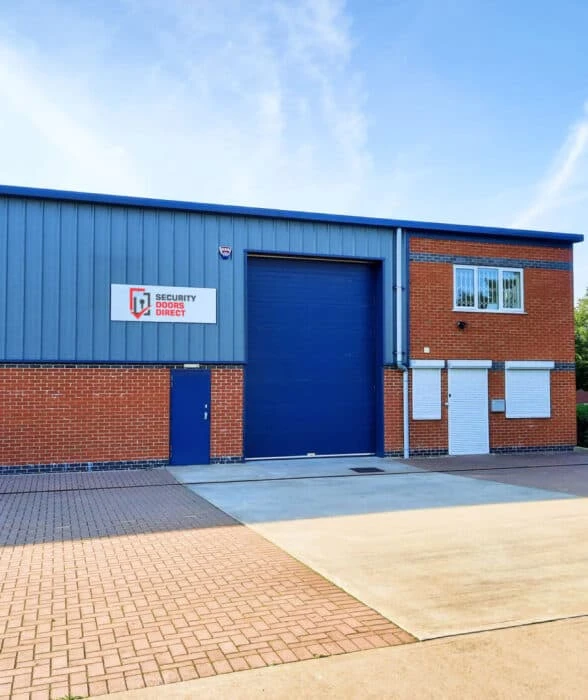
Plant room doors are an essential element of modern building design, providing safety, security, and compliance for areas that house critical equipment. Their role extends beyond simple access control, supporting fire safety, ventilation, noise reduction, and long term durability. By choosing the right plant room doors and ensuring proper installation, building owners can protect infrastructure, enhance safety, and maintain efficient operations. For reliable solutions and expert support in high quality plant room doors, property managers and developers can trust Security Doors Direct.


















Sign in to leave a comment.