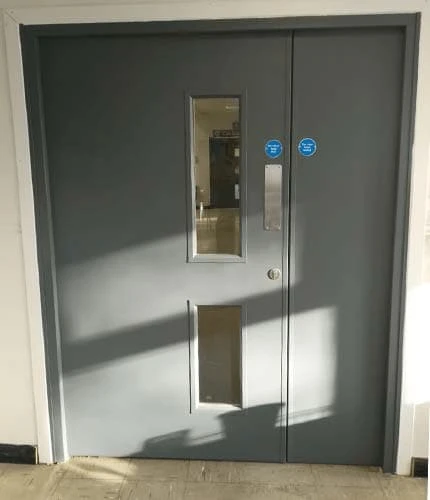

Fire safety is a critical consideration in modern commercial building design. Among the many components that contribute to occupant protection and property preservation, the fire rated steel door plays a vital role. These doors are engineered to resist fire, limit the spread of smoke, and maintain structural integrity for a defined period of time. Their use is not limited to a single building type or function. Instead, they appear across a wide range of commercial environments where safety, durability, and compliance are essential.
This article explores the applications of fire rated steel door systems in commercial buildings. It explains how they function, where they are most commonly installed, and why they are essential to fire protection strategies. By understanding their purpose and benefits, building owners, designers, and facility managers can make informed decisions that enhance safety and long term value.
Understanding Fire Rated Steel Doors
Fire rated steel doors are specifically designed to withstand exposure to fire and high temperatures for a tested duration. This duration is typically measured in minutes and reflects how long the door can prevent flames and heat from passing through an opening.
Purpose of Fire Ratings
The primary purpose of a fire rating is to provide occupants with additional time to evacuate and to allow emergency responders to act. Fire rated steel door assemblies help compartmentalize a building, slowing the spread of fire and smoke from one area to another. This containment strategy is a core principle of modern fire safety design.
How Steel Enhances Fire Resistance
Steel is a non combustible material, making it ideal for fire protection applications. When used in door construction, steel offers strength, stability, and resistance to warping under extreme heat. A fire rated steel door maintains its shape longer than many other materials, ensuring that gaps do not form during a fire event.
Compliance With Building Codes
Commercial buildings are subject to strict fire safety regulations. Fire rated steel door installations are often required to meet local and national building codes. These codes specify where rated doors must be installed and the level of protection they must provide. Proper selection and installation are essential to meet inspection requirements and ensure occupant safety.
Role of Fire Rated Steel Doors in Commercial Buildings
Commercial buildings present unique fire safety challenges due to high occupancy levels, complex layouts, and varied uses. Fire rated steel door systems are used strategically to address these challenges.
Protecting High Traffic Areas
In many commercial facilities, certain areas experience constant movement of people. Corridors, lobbies, and stairwells must remain accessible during normal operations while still providing protection during emergencies. Fire rated steel doors installed in these locations balance daily functionality with emergency performance.
Supporting Fire Compartmentation
Fire compartmentation divides a building into sections that can contain fire within a limited area. Fire rated steel door assemblies are essential components of fire walls and partitions. By closing off openings in these barriers, the doors help prevent fire from spreading rapidly through a structure.
Enhancing Structural Safety
During a fire, structural elements are exposed to extreme stress. Fire rated steel doors help protect load bearing walls and escape routes by reducing heat transfer. This support can delay structural damage and reduce the risk of collapse in affected areas.
Applications in Office Buildings
Office buildings are among the most common commercial environments where fire rated steel door systems are used. These buildings often house large numbers of occupants across multiple floors.
Stairwells and Exit Routes
Stairwells serve as primary escape routes during emergencies. Fire rated steel doors installed at stairwell entrances protect these critical pathways from smoke and flames. This protection allows occupants to evacuate safely and helps emergency personnel access upper levels.
Electrical and Mechanical Rooms
Office buildings contain numerous utility spaces that pose higher fire risks. Electrical rooms, server rooms, and mechanical areas often require fire rated steel door protection. These doors help contain potential fires caused by equipment malfunctions or electrical faults.
Tenant Separation
In multi tenant office buildings, fire rated steel doors are used to separate individual suites. This separation limits fire spread between tenants and protects adjacent workspaces, reducing overall damage and downtime.
Use in Healthcare Facilities
Healthcare environments demand the highest levels of safety and reliability. Fire rated steel door installations are especially important in hospitals, clinics, and care centers.
Patient Room Protection
Patients may have limited mobility, making evacuation more challenging. Fire rated steel doors installed at patient rooms help contain fire and smoke, providing staff with valuable time to assist occupants and relocate patients if necessary.
Operating and Treatment Areas
Sensitive medical areas require strict control over environmental conditions. Fire rated steel door systems help protect these spaces from external hazards while maintaining hygiene and security standards.
Corridors and Smoke Barriers
Healthcare facilities often use smoke barriers to control the movement of smoke during a fire. Fire rated steel doors integrated into these barriers help maintain clear evacuation routes and protect vulnerable occupants.
Applications in Educational Buildings
Schools, colleges, and universities present unique fire safety considerations due to diverse building layouts and high occupancy levels.
Classroom Separation
Fire rated steel doors are commonly installed at classroom entrances to prevent fire spread between instructional spaces. This containment supports orderly evacuation and reduces panic during emergencies.
Laboratories and Specialized Rooms
Science laboratories and technical workshops may contain flammable materials or equipment. Fire rated steel door assemblies help isolate these areas and reduce the risk of fire spreading to other parts of the building.
Assembly Areas
Auditoriums, gymnasiums, and cafeterias accommodate large groups of people. Fire rated steel doors help protect exits and backstage areas, supporting safe evacuation during events and daily use.
Industrial and Warehouse Facilities
Industrial buildings and warehouses often store valuable goods and operate heavy machinery. Fire rated steel door systems are essential for managing fire risks in these environments.
Separation of Hazardous Zones
Certain industrial processes involve higher fire risks. Fire rated steel doors are used to separate hazardous zones from administrative or storage areas, limiting potential damage.
Loading Docks and Storage Areas
Warehouses rely on large openings for material handling. Fire rated steel doors designed for these applications help protect storage areas while accommodating operational needs.
Equipment Rooms
Machinery rooms and control centers require reliable fire protection. Fire rated steel door installations help safeguard critical equipment and reduce downtime following a fire incident.
Retail and Hospitality Applications
Retail stores and hospitality venues focus heavily on customer experience, but safety remains a top priority.
Back of House Areas
Fire rated steel doors are commonly used in kitchens, storage rooms, and staff areas. These spaces often contain ignition sources or combustible materials that require containment.
Guest and Customer Safety
In hotels and shopping centers, fire rated steel doors protect corridors, service shafts, and emergency exits. This protection ensures that guests can evacuate safely and that fire spread is minimized.
Service and Utility Spaces
Retail and hospitality buildings include numerous service areas such as laundry rooms and electrical closets. Fire rated steel door systems help manage risks associated with these functions.
Benefits of Fire Rated Steel Doors in Commercial Settings
The widespread use of fire rated steel door solutions is driven by their many advantages.
Durability and Longevity
Steel doors offer exceptional durability, making them suitable for high use environments. Fire rated steel door assemblies resist wear, impact, and environmental stress, reducing maintenance needs over time.
Consistent Performance
Fire rated steel doors are tested to perform reliably under extreme conditions. Their predictable behavior during a fire event provides confidence to building owners and occupants alike.
Integration With Security Systems
Beyond fire protection, steel doors support enhanced security. They can be integrated with access control, monitoring, and alarm systems without compromising their fire rating.
Cost Effectiveness Over Time
While initial investment may be higher than some alternatives, the long service life and reduced maintenance of fire rated steel doors often result in lower total cost of ownership.
Importance of Proper Installation and Maintenance
The effectiveness of a fire rated steel door depends on correct installation and ongoing care.
Professional Installation
Fire rated steel door assemblies must be installed according to manufacturer guidelines and building codes. Improper installation can compromise performance and lead to compliance issues.
Regular Inspections
Routine inspections help identify wear, damage, or misalignment. Ensuring that doors close and latch properly is essential to maintaining fire resistance.
Maintenance Best Practices
Simple maintenance tasks such as keeping hinges lubricated and ensuring seals remain intact can significantly extend the life of a fire rated steel door and preserve its protective qualities.
Future Trends in Fire Rated Steel Door Applications
As building design evolves, so do fire protection solutions.
Increased Focus on Sustainability
Manufacturers are exploring ways to enhance the sustainability of fire rated steel door products through recycled materials and energy efficient production processes.
Improved Aesthetics
Modern fire rated steel doors are available in a wide range of finishes and designs. This variety allows architects to integrate safety features without sacrificing visual appeal.
Smart Building Integration
Fire rated steel door systems are increasingly designed to work with smart building technologies. Integration with sensors and automated systems can improve emergency response and building management.
Conclusion
Fire rated steel door applications in commercial buildings are essential to modern fire safety strategies. From offices and healthcare facilities to industrial sites and hospitality venues, these doors provide reliable protection against fire and smoke while supporting daily operations. Their strength, durability, and compliance with safety standards make them a cornerstone of commercial building design.
By understanding where and how fire rated steel door systems are used, stakeholders can enhance safety, protect assets, and meet regulatory requirements. Security Doors Direct offers expert guidance and high-quality solutions to ensure commercial buildings are equipped with the most reliable fire rated steel doors, safeguarding both lives and property.






















Sign in to leave a comment.