
The Pimple Is Gone — So Why Does the Mark Look Worse?
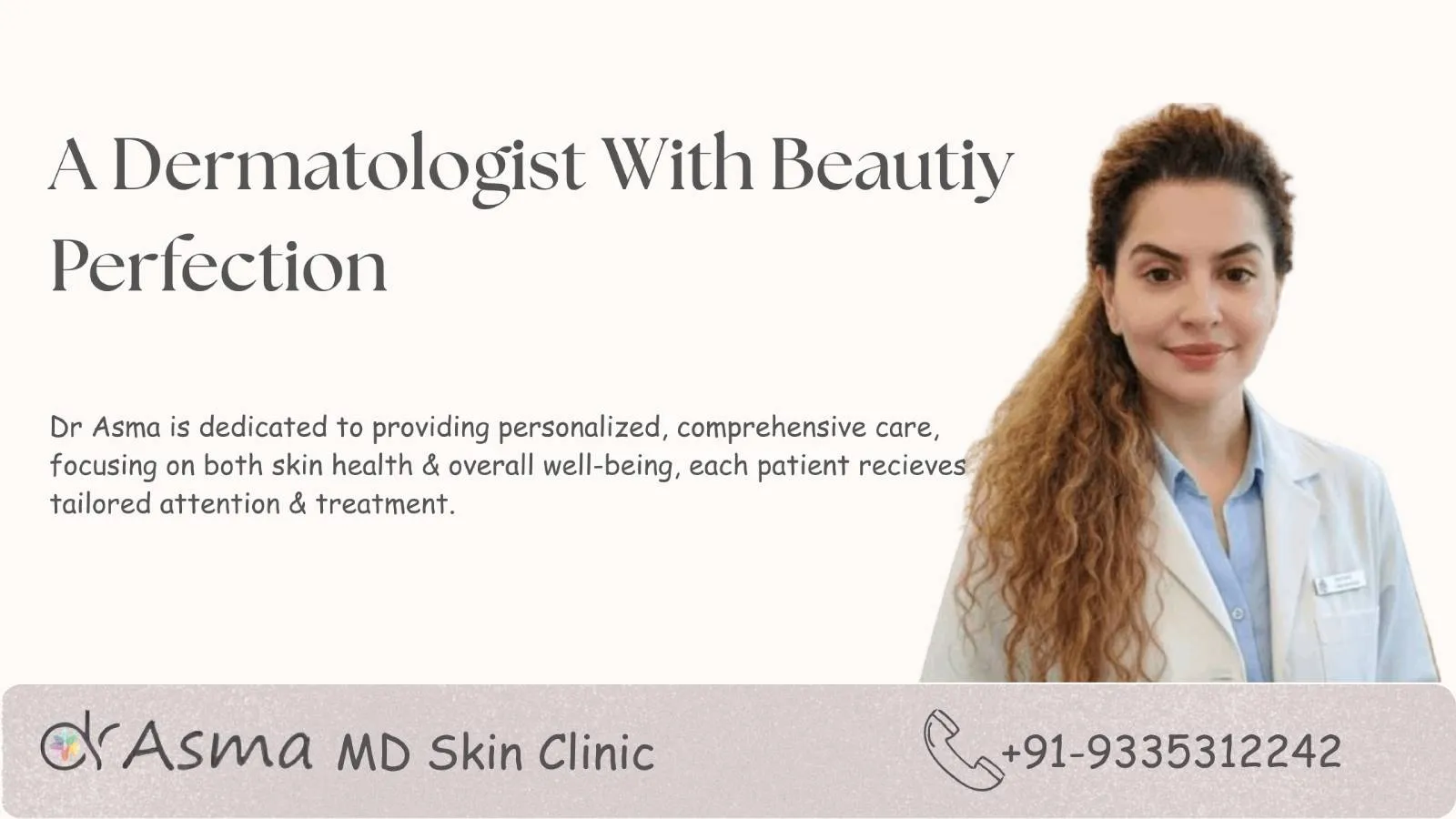
You finally get rid of a painful pimple and expect your skin to return to normal. But instead, you’re left with a dark mark, redness, or even a small depression that seems more noticeable than the acne itself.
At Dr. Asma M.D. Skin Clinic, a trusted Skin Specialist in Lucknow, this is one of the most common concerns patients have after an acne breakout. Many people feel their skin looks worse after the pimple heals, even though the active acne is gone.
The reason lies in how the skin repairs itself after inflammation.
What Happens After a Pimple Heals?
When acne develops, the skin becomes inflamed. This inflammation damages the surrounding tissue and triggers the body’s healing response.
As the pimple resolves, the skin may leave behind:
- Dark spots (post-inflammatory hyperpigmentation)
- Red marks (post-inflammatory erythema)
- Depressed scars (atrophic scars)
- Uneven skin texture
These changes often become more noticeable once the swelling and redness of the active pimple disappear.
Why Do Dark Marks Look So Prominent?
After inflammation, the skin may produce excess melanin as part of the healing process.
This can result in brown, black, or grey marks that remain long after the acne has healed.
People with medium to darker skin tones are particularly prone to post-acne pigmentation.
Sun exposure can make these marks even darker and more difficult to fade.
Can Picking Pimples Make Scars Worse?
Absolutely.
Squeezing or picking acne lesions can push inflammation deeper into the skin and increase tissue damage.
This may lead to:
- Deeper scars
- More pigmentation
- Longer healing time
- Increased risk of infection
One of the best ways to reduce acne scarring is to avoid touching active pimples.
Why Some People Develop Acne Scars More Easily
Not everyone experiences acne scars.
Factors that increase the risk include:
- Severe inflammatory acne
- Delayed treatment
- Frequent picking or squeezing
- Genetic predisposition
- Recurrent breakouts
The longer acne remains untreated, the greater the chance of permanent scarring.
Can Acne Scars Be Treated?
Yes. Modern dermatology offers several options for improving acne scars and post-acne marks.
Treatment may include:
- Chemical Peels
- Microneedling
- Laser Treatments
- Subcision
- Scar Revision Procedures
The best treatment depends on the type and depth of the scar.
Conclusion
If your acne scars seem worse after a pimple heals, you’re not imagining it. The healing process can leave behind pigmentation, redness, or textural changes that become more visible once the acne itself disappears.
Early acne treatment and proper scar management can significantly improve long-term skin appearance and help prevent permanent scarring.
Book Your Acne Scar Consultation Today
Concerned about acne scars, dark spots, or post-acne pigmentation?
At Dr. Asma M.D. Skin Clinic, we provide personalized acne and acne scar treatments designed to improve skin texture, reduce marks, and restore confidence.
- Acne Scar Treatment
- Chemical Peels
- Microneedling & Laser Treatments
- Pigmentation Management
- Personalized Dermatology Care
Clinic Address: Dr. Asma MD Skin Clinic, Subhash Chandra Bose Complex, Mandi Crossing, Victoria St, Chowk, Lucknow — 226003
Contact No: +91–9335312242
Book your consultation today and take the next step toward smoother, clearer, and healthier-looking skin.





















Sign in to leave a comment.