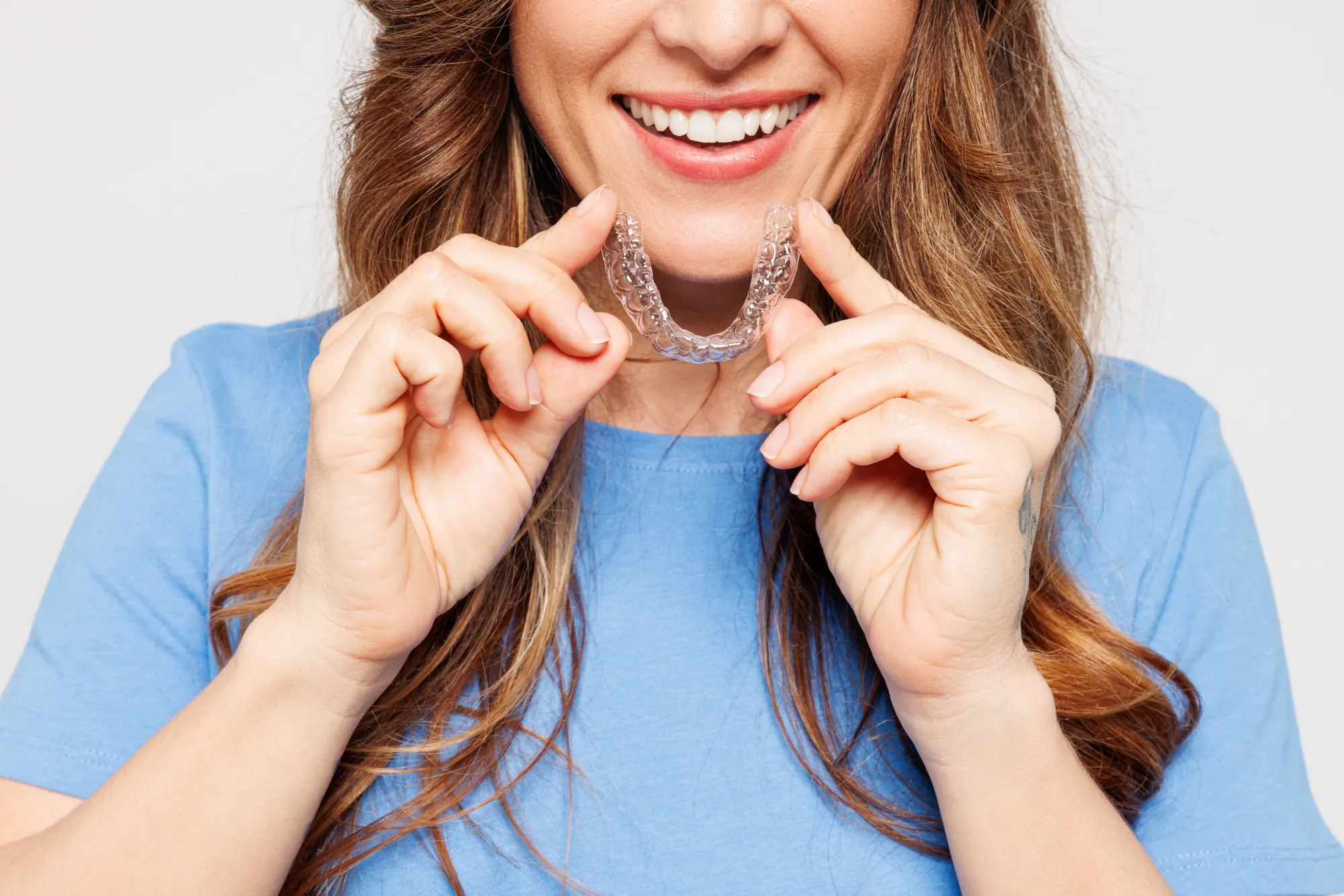

Orthodontic treatment is no longer viewed as something intended only for teenagers. Adults may consider treatment because their teeth have shifted over time, previous orthodontic results have relapsed or they are ready to address crowding, spacing or bite concerns that were never treated.
Clear aligners have expanded the options available to people who want to straighten their teeth without fixed brackets and wires. Invisalign uses a planned series of custom-made, removable aligners that gradually move the teeth. Treatment still requires professional assessment, consistent wear and regular monitoring.
For adults comparing Invisalign in Maroubra with other orthodontic options, understanding the practical advantages and daily responsibilities can help them make a more informed decision.
A Less Noticeable Option for Adult Life
One of the main reasons adults consider Invisalign is its appearance. Clear aligners fit closely over the teeth and are less visually prominent than conventional metal braces.
They are clear rather than completely invisible. Depending on the treatment plan, small tooth-coloured attachments may also be placed on selected teeth to help the aligners achieve particular movements.
This can appeal to adults who attend meetings, work with clients, speak publicly or simply prefer a less noticeable orthodontic option. The aligners can generally remain in place during conversations and most routine activities.
Appearance should not be the only factor guiding the decision. The suitability of clear aligners depends on the type and extent of correction required. A dentist or orthodontist needs to assess the teeth and bite before determining whether aligners, fixed braces or another approach would be more appropriate.
Aligners Can Fit Around Meals and Events
Invisalign aligners are removable, giving adults greater flexibility when eating. The trays are removed for meals, allowing patients to eat without brackets or wires affecting their food choices.
The aligners should also be taken out when drinking beverages other than water. Teeth need to be cleaned before the trays are replaced to avoid trapping food residue or sugars against the tooth surfaces.
Aligners can also be removed briefly for an important presentation, photograph or special occasion. However, this flexibility must be balanced with the prescribed wear schedule.
Invisalign advises that aligners are generally worn for 20 to 22 hours each day. Individual patients should follow the instructions provided by their treating practitioner.
Convenience Depends on Consistent Wear
The ability to remove the aligners is helpful only when the patient is disciplined about replacing them. Leaving them out for extended meals, social occasions or several hours during the working day reduces the time available for controlled tooth movement.
Adults considering Invisalign should think honestly about whether the routine suits their habits. The trays need to be removed and stored safely during meals, cleaned regularly and returned to the mouth promptly.
Patients also need to progress through the aligners according to their individual treatment plan. The treating practitioner will advise when to change to the next set and will check that the aligners continue to fit correctly as the teeth move.
Skipping trays, changing them too soon or not wearing them for the required time can affect progress. Clear aligner treatment may fit around a busy schedule, but it is not a passive process. Patient cooperation remains an important part of the treatment.
Oral Hygiene May Be Easier to Maintain
Because clear aligners are removable, adults can brush and floss without working around fixed brackets and wires. This can make the normal cleaning routine more straightforward.
Oral hygiene still requires care. The teeth should be cleaned before the aligners are replaced, and the trays themselves need regular cleaning. Poor oral hygiene during orthodontic treatment can contribute to tooth decay, discolouration or gum problems.
People who snack frequently or drink sweetened beverages throughout the day may need to adjust their routine. Removing the aligners repeatedly can make it harder to achieve the required daily wear time.
A realistic routine for meals, brushing, aligner cleaning and storage should therefore be considered before treatment begins.
Digital Planning Helps Explain the Process
Invisalign treatment begins with an assessment of the teeth and bite. Digital scans may be used to record the current position of the teeth and develop a customised treatment plan.
Treatment-planning software allows the practitioner to map the intended tooth movements and explain how the teeth are expected to progress through the aligner stages.
This can help adult patients understand the proposed process before beginning. It may also show where attachments or other supporting procedures could be required.
The digital plan should be treated as a clinical planning tool rather than a guarantee that every tooth will move exactly as displayed. Case complexity, biological response and aligner wear can influence progress, which is why professional reviews remain necessary.
Treatment Is Tailored to the Individual
Adults begin orthodontic treatment with different dental histories. Some have relatively minor crowding, while others may have crowns, missing teeth, gum concerns or previous orthodontic work.
These factors need to be reviewed before aligners are prescribed. The dentist or orthodontist will assess the teeth, gums, bite and required movements to determine whether Invisalign is suitable and whether other dental treatment should be completed first.
Treatment time also differs between patients. Invisalign notes that the total duration depends on factors including case complexity, the treatment plan and how consistently the aligners are worn.
Adults should therefore avoid estimating their own treatment time based on another person’s experience. Two smiles that appear similar can have very different clinical requirements.
Regular Reviews Are Still Required
Clear aligners may reduce some of the day-to-day inconvenience associated with fixed appliances, but they do not remove the need for professional monitoring.
Review appointments allow the practitioner to check aligner fit, tooth movement, oral health and overall progress. Patients will also receive instructions about when to move to the next aligner in the series.
Some patients may require adjustments, replacement attachments or refinement aligners if additional tooth movement is needed.
Choosing a conveniently located provider can make these appointments easier to manage around work and family commitments. Adults considering Invisalign treatment in Maroubra can have their teeth and bite assessed before deciding whether clear aligners are the right option for them. Dental Avenue advises that each case is evaluated individually because fixed braces may be more appropriate for some patients.
Retention Is Part of the Orthodontic Journey
Completing the final aligner does not mean the teeth will remain in their new position without further care.
Teeth can gradually shift after orthodontic treatment, which is why retainers are commonly prescribed. The type of retainer and required wearing schedule depend on the individual treatment plan.
Patients should ask about retention before starting treatment so they understand the long-term commitment and whether retainers are included in the quoted cost.
Following the prescribed retainer schedule helps maintain the result achieved during treatment. Adults who previously wore braces but stopped using their retainers may already be familiar with how gradually teeth can move.
Questions to Ask Before Starting Invisalign
An Invisalign consultation should explain more than how the aligners look. Patients should ask whether the treatment is suitable for their specific bite and what supporting procedures may be required.
Other useful questions include:
- How often will review appointments be required?
- Will tooth-coloured attachments be needed?
- What happens if the teeth do not track as planned?
- Are refinement aligners included in the treatment fee?
- Does the quotation include scans, reviews and retainers?
- How long is treatment expected to take?
- What daily cleaning routine is recommended?
Clear information about responsibilities, costs and treatment limitations allows adults to compare options based on the complete plan rather than appearance alone.
Final Thoughts
Invisalign appeals to many adults because it provides a clear, removable alternative to fixed braces. The aligners can fit around professional and social routines while allowing patients to brush, floss and eat without fixed brackets and wires.
These advantages come with responsibilities. Aligners need to be worn consistently, removed for meals, cleaned correctly and monitored through regular appointments. Invisalign is also not suitable for every orthodontic concern.
A professional assessment remains the appropriate starting point. By understanding the treatment process, daily routine and need for long-term retention, adults can decide whether Invisalign suits both their dental requirements and lifestyle.




























Sign in to leave a comment.