
From sharing plates to steaming broths, the way we eat out is changing and our search habits are catching up.
If you've opened your phone recently and typed "restaurants near me," there's a good chance the words "all you can eat sushi" or "hotpot" appeared somewhere in your results or at least in your head as you scanned through the options. Something is shifting in the way people approach eating out, and it goes deeper than simply wanting a good meal. Diners today are looking for an experience, and the AYCE model all-you-can-eat, seated, made-to-order, social is delivering exactly that.
This isn't a passing trend. It's a reflection of how dining culture has fundamentally changed, and understanding why helps explain why these formats now dominate food searches across the country.
The "Restaurants Near Me" Search Has Grown Up
Not long ago, typing "restaurants near me" returned a fairly predictable list: fast food chains, pizza joints, the occasional diner. The query was about convenience fill the gap, feed the hunger, move on.
That's changed. Today's food searches are intentional. People are searching for vibes, for value, for something worth talking about afterward. And increasingly, all you can eat sushi and hotpot restaurants are landing at the top of those intent-driven searches because they promise all three things simultaneously.
The post-pandemic dining rebound accelerated this. After years of takeout containers and solo meals, people came back to restaurants with a renewed hunger for community. They wanted to sit around a table and share something. They wanted meals that lasted longer than 45 minutes. And they wanted to feel like they got something real for their money.
AYCE sushi and hotpot formats answered all of that in one sitting.
What "All You Can Eat Sushi" Actually Means
There's a misconception that all you can eat sushi means low quality the sushi equivalent of a buffet under a heat lamp. That version does exist, but it's increasingly being replaced by a far more impressive model: made-to-order AYCE, where you sit at your table, browse a full menu, order as many rounds as you like within a time window, and everything is prepared fresh.
The appeal is obvious. You're not locked into two or three rolls and a miso soup. You can explore the menu freely start with edamame and miso, move through spicy tuna and dragon rolls, pivot to salmon sashimi, maybe circle back for a specialty roll you spotted halfway through. For the curious diner, it's basically a culinary playground.
Flat-rate pricing often a single cost per person for a 90-minute window makes the value equation simple and stress-free. No mental math, no anxious menu scanning for the cheapest option. You just eat, and you eat well.
Hotpot Joins the Conversation
Hotpot has a centuries-long history across East and Southeast Asia, but its presence in mainstream American dining has grown dramatically over the last decade. And for good reason.
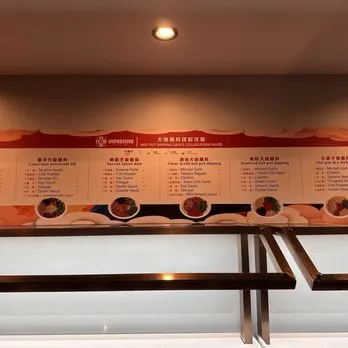
The concept is communal by design: a simmering broth at the center of the table, fresh ingredients arriving in waves thin-sliced meats, seafood, vegetables, tofu, noodles which diners cook themselves, at their own pace, exactly to their liking. It's interactive, it's warm, it's unhurried. It's a meal that doubles as an event.
Much like all you can eat sushi, hotpot restaurants are now a frequent answer to the "restaurants near me" search because they offer something algorithmic food delivery never can: the pleasure of being present at a meal. The experience of cooking your own food, of pulling something out of a shared pot and eating it the moment it's ready, creates a kind of joy that a cardboard delivery box fundamentally cannot replicate.
Writers and food bloggers across platforms like WriteUpCafe's food and lifestyle writing community have been documenting this communal dining revival in detail capturing not just what's on the plate, but why eating this way feels so different from anything else.
What Diners Are Actually Looking For
When someone pulls out their phone and searches for all you can eat sushi or hotpot restaurants near them, they're usually weighing a few specific things:
Pricing transparency. AYCE pricing removes the ambiguity that makes some dining experiences stressful. A clear flat rate per person with nothing hidden signals respect for the customer. The best spots are upfront about their per-person cost, their time window, and what's included.
Menu range and quality. A strong AYCE menu should run the full spectrum: traditional rolls, specialty rolls, nigiri, sashimi, and ideally some cooked options like hibachi or tempura alongside the sushi. For hotpot, the mark of a great spot is the quality and variety of the raw ingredients, and the depth of the broth options (mild, spicy, split pot, herbal).
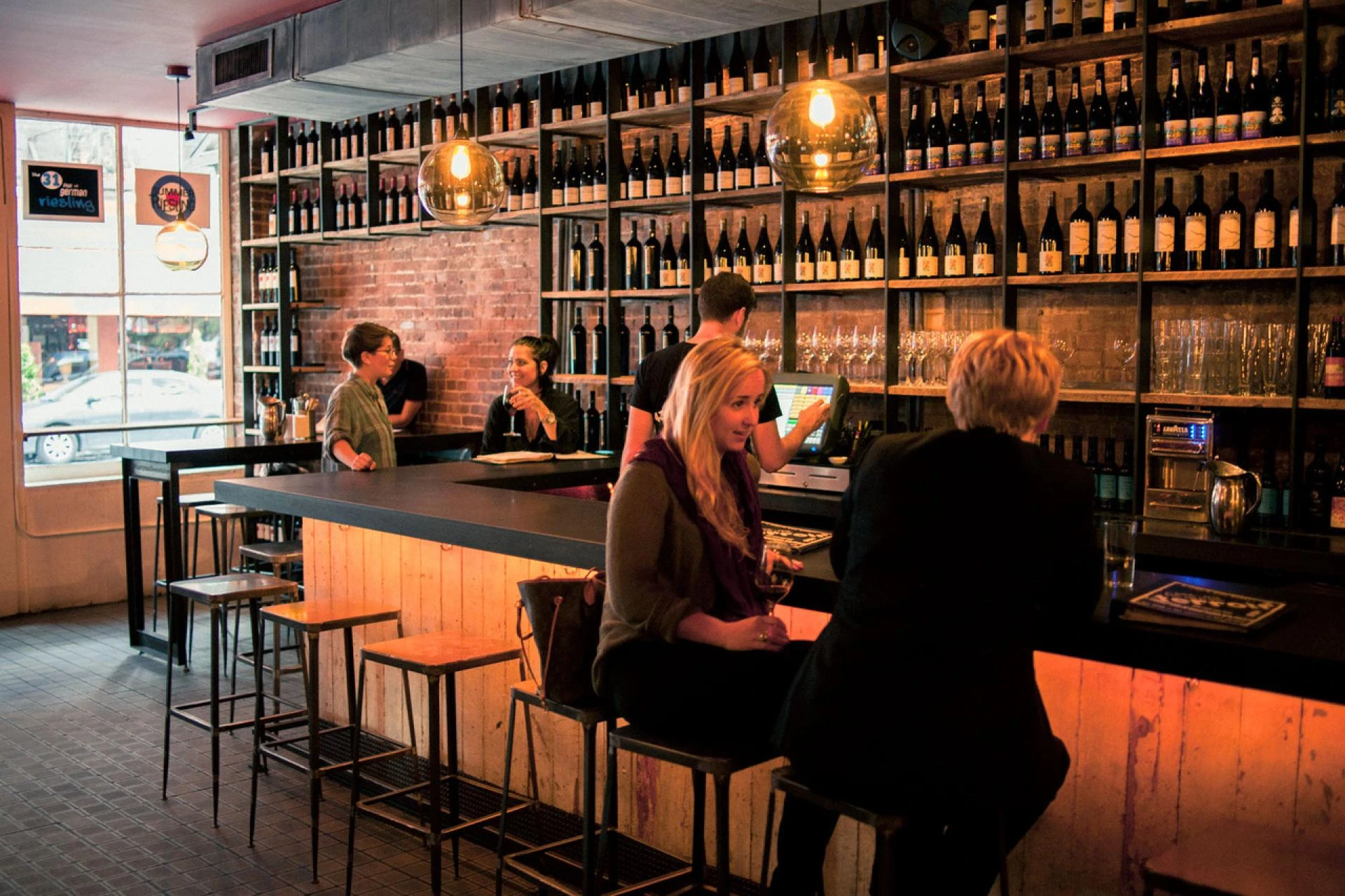
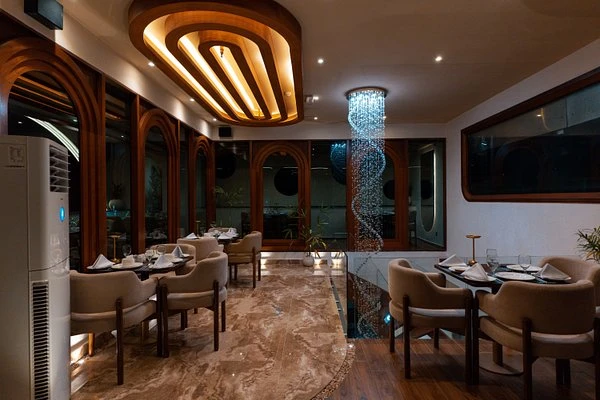
Atmosphere and service. These formats work best in environments that feel relaxed and welcoming not rushed, not cramped. Diners linger at AYCE meals by design, and the best restaurants are built to accommodate that. Some spots have even begun incorporating technology tablet ordering, robot food runners, real-time order tracking to make the experience smoother without losing the human warmth.
If you're searching for restaurants near me that genuinely deliver on all of the above, it's worth doing a little homework before you go: check reviews for mentions of freshness, watch for comments about wait times during peak hours, and look for whether the restaurant accommodates dietary restrictions or special events.
How to Evaluate an AYCE Restaurant Before You Commit
Not all AYCE restaurants are created equal. A few things to look for when you're researching:
Made-to-order vs. pre-prepared. The best AYCE sushi spots make each roll when you order it. If a restaurant pre-portions everything and stores it ahead of service, the quality difference is noticeable. Ask or check reviews.
Time limits and round limits. Most AYCE sushi spots use a 90-minute window, which is generous. Some places also cap the number of rounds or pieces per order to manage waste that's fair, and it's worth knowing going in.
Reservation policy. Popular AYCE spots fill up fast, especially on weekends. A restaurant that takes reservations even just by phone is a strong signal that they take their operations seriously. Online reservation systems are increasingly common and worth looking for.
What the regulars say. Food bloggers and community reviewers often have the most honest takes. Platforms like WriteUpCafe's food blog directory are worth browsing local writers who eat at a place regularly tend to give a much clearer picture than a single polished review.
The Role of Technology in Modern AYCE Dining
One of the most fascinating developments in AYCE dining in recent years is the rise of technology as a service tool. Several restaurants have introduced robot servers compact, rolling machines that carry dishes from the kitchen to the table freeing human staff to focus on hospitality and order-taking.
Tablet-based ordering is also becoming standard in upscale AYCE spots. Diners browse a digital menu, place orders at their own pace, and track what's on the way. It streamlines service during busy periods, reduces miscommunication, and let's be honest it's kind of fun.
Far from feeling cold or impersonal, these tech touches often enhance the experience by making it more efficient, leaving more time for what actually matters: the food, the conversation, and the company.
Why This Trend Isn't Slowing Down
The continued rise of all you can eat sushi and hotpot in local dining searches reflects something real about what people want from eating out right now. They want value without sacrifice. They want variety without having to commit to a single dish before they've even sat down. They want meals that feel like events, not transactions.
As more restaurants invest in quality ingredients, thoughtful service, and innovative dining environments, the AYCE model is only going to grow more popular. What was once seen as a compromise eat a lot, pay less, accept lower quality has evolved into something diners genuinely seek out and rave about.
The next time you open your phone to search for something to eat, don't be surprised if your fingers find themselves typing "all you can eat sushi near me" or "hotpot restaurants near me" before you've even thought it through. Your instincts are probably right.
Whether you're a longtime sushi devotee or a curious newcomer to hotpot, the best meal you'll have this season might just be the one where you order everything on the menu.

























Sign in to leave a comment.