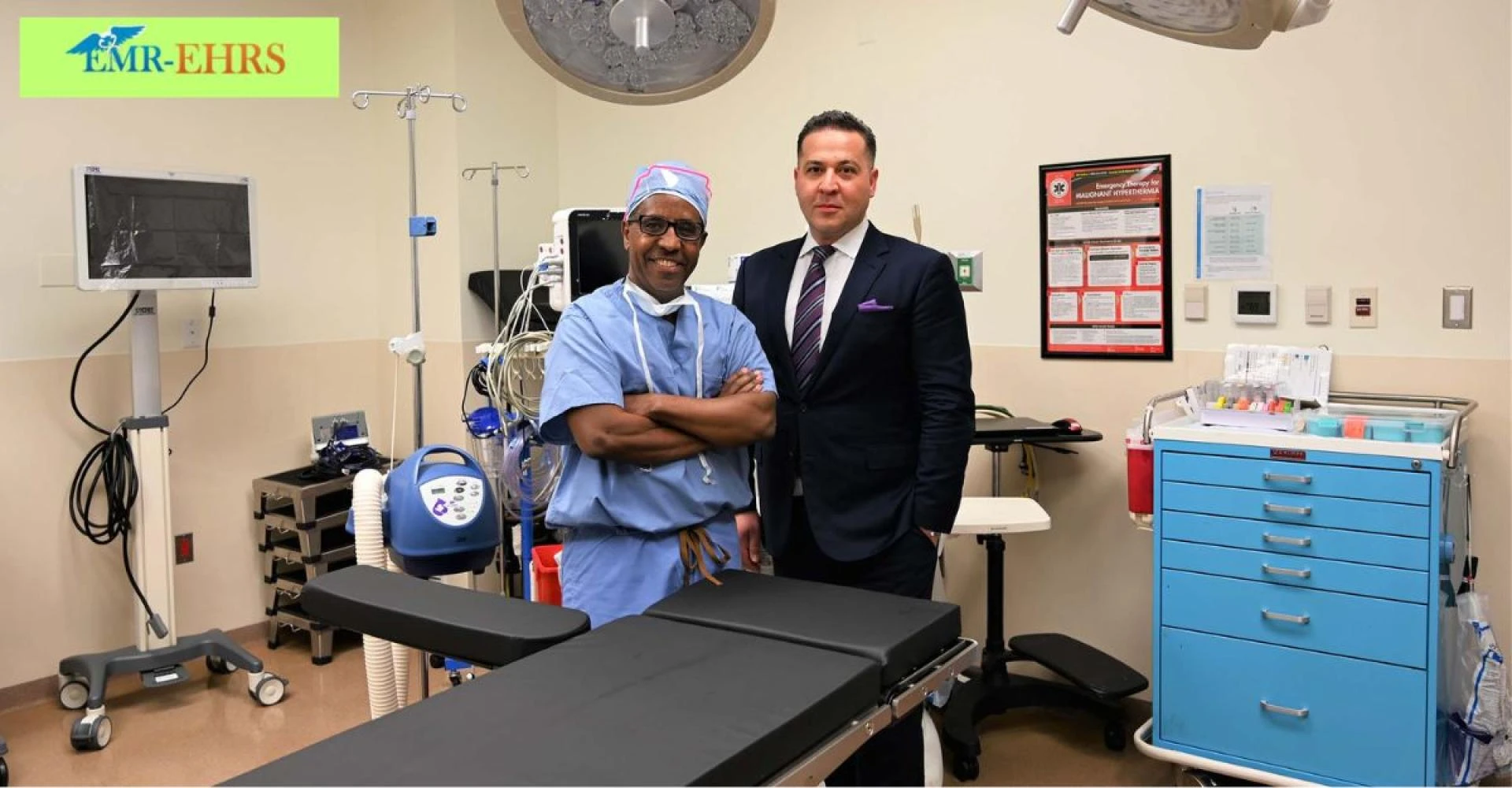

EHR systems revolutionize how patient information is stored, accessed, and managed, providing a comprehensive view of a patient's medical history, including diagnoses, treatments, and medications. Ambulatory Surgery Centers (ASCs) have been quick to embrace this technological revolution, recognizing the myriad benefits it offers. Among these benefits, the most significant advantage of implementing ambulatory surgery center EHR systems lies in ambulatory surgery automation. This automation allows outpatient surgery providers to perform detailed case costing and analysis, identify historical patterns, benchmark data, and optimize various aspects of patient care, surgeon schedules, room utilization, staff allocation, equipment usage, and anesthesia schedules. Moreover, EHR systems enable ASCs to save physical space by reducing or eliminating on-site paper storage. This transformation allows surgery centers to repurpose existing spaces into new patient care areas, enhancing efficiency and maximizing the utilization of resources. Let's explore why EHR systems are indispensable tools for Ambulatory Surgery Centers.
Streamlined Patient Information Management:
One of the primary benefits of EHR systems in Ambulatory Surgery Centers is the ability to streamline patient information management. Our EMR-EHRS provides a centralized platform for storing and accessing patient records, including medical history, surgical notes, medication lists, and lab results. This consolidation of information enhances efficiency by eliminating the need for paper-based records and enabling healthcare providers to access critical patient data with ease.
Improved Patient Safety and Care Coordination:
Leading EMR software providers prioritize user-friendly interfaces and seamless integration along with patient safety. EHR systems contribute to improved patient safety and care coordination within Ambulatory Surgery Centers. With access to comprehensive patient records, healthcare providers can make more informed decisions about patient care. EHRs help prevent medication errors by providing accurate medication lists and allergy information. Additionally,ambulatory surgery center EHR systems facilitate communication and collaboration among healthcare team members, ensuring seamless care transitions and continuity of care for patients.
Enhanced Efficiency and Productivity:
The implementation of EHR systems in Ambulatory Surgery Centers leads to enhanced efficiency and productivity. By digitizing patient records and automating administrative tasks, occupational therapy practice management software reduces the time and resources spent on manual paperwork. Healthcare providers can easily access patient information, order tests, and track surgical procedures within the EHR system. This increased efficiency allows ASC staff to focus more on patient care and less on administrative duties.
Compliance with Regulatory Requirements:
EHR systems help Ambulatory Surgery Centers maintain compliance with regulatory requirements and accreditation standards. EHRs facilitate documentation of patient care, ensuring that ASC Software meets reporting and documentation requirements set forth by regulatory bodies such as CMS (Centers for Medicare & Medicaid Services) and accreditation organizations like the Accreditation Association for Ambulatory Health Care. Compliance with these standards is essential for maintaining high-quality care and patient safety.
Conclusion:
Ambulatory surgery center EHR systems are invaluable offering a wide range of benefits that improve patient care, efficiency, and compliance. By streamlining patient information management, enhancing patient safety, and facilitating performance improvement initiatives, EHRs play a crucial role in the success of ASCs. As the healthcare landscape continues to evolve, the integration of EHR systems will remain essential for Ambulatory Surgery Centers to thrive and provide high-quality care to their patients. To know more visit EMR-EHRS today.





























Sign in to leave a comment.