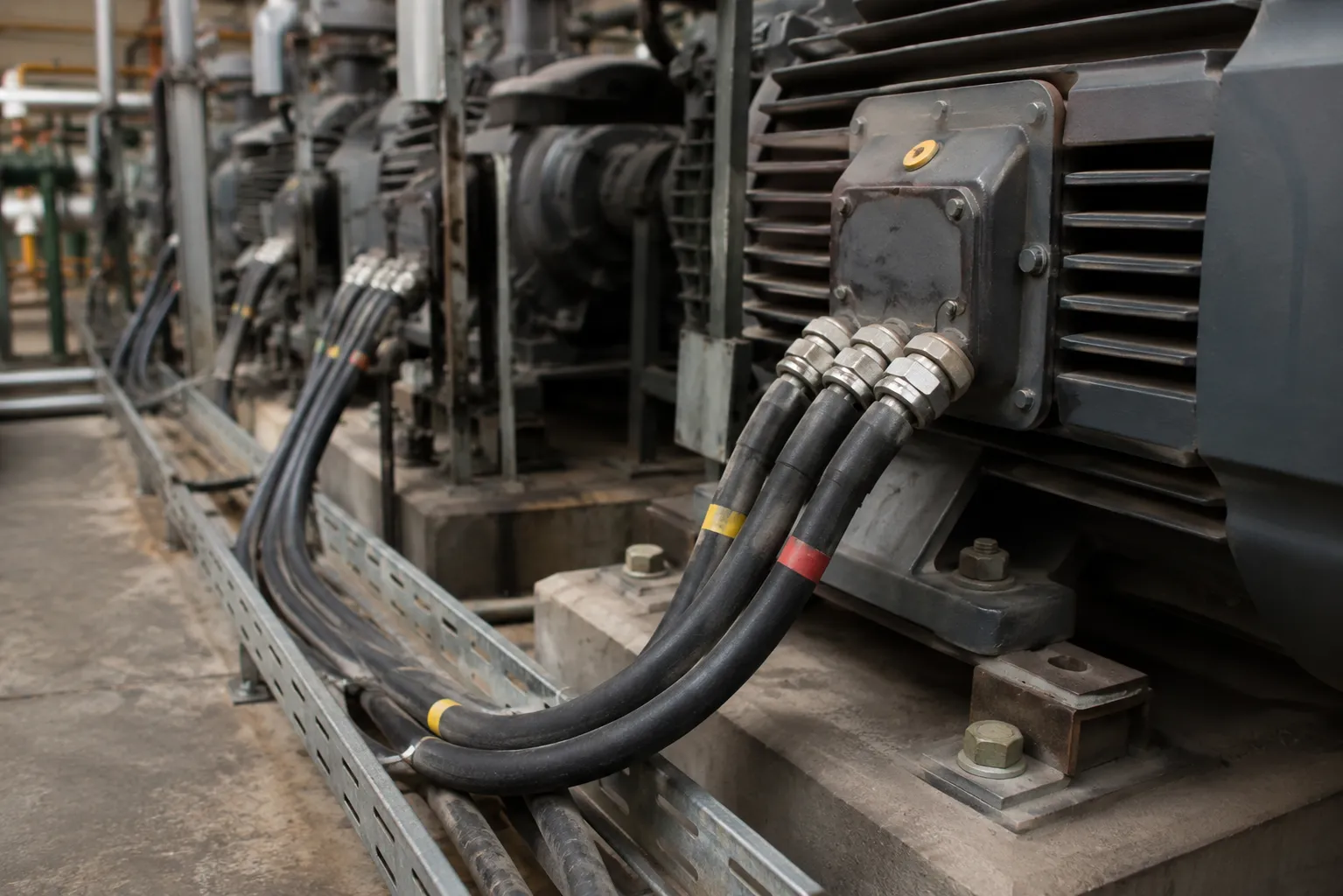

Walk onto a busy construction site, a manufacturing plant, or an offshore facility, and one thing quickly becomes clear—equipment is expected to perform under pressure. Heavy machinery operates for long hours, cables are dragged across rough surfaces, and exposure to moisture, oil, chemicals, and extreme temperatures is part of everyday life.
In these demanding environments, standard electrical cables often struggle to keep up. Cracked insulation, damaged conductors, and frequent replacements can lead to costly downtime and safety concerns. That's why many UK businesses turn to experienced flexible rubber cable suppliers for durable cable solutions designed to withstand challenging industrial conditions.
Flexible rubber cables have earned a strong reputation for their resilience, reliability, and long service life. They are built to keep operations running safely, even when conditions are far from ideal.
What Makes Flexible Rubber Cables Different?
Unlike conventional PVC cables, flexible rubber cables are manufactured with specialised rubber insulation and sheathing that provide enhanced durability and flexibility. This unique construction allows the cable to bend repeatedly without compromising its performance.
They are commonly used to power portable equipment, heavy machinery, generators, pumps, cranes, and temporary electrical installations where constant movement and harsh conditions are unavoidable.
For industries that rely on uninterrupted power, choosing quality products from trusted flexible rubber cable suppliers can make a significant difference to operational reliability.
Built to Handle Tough Working Conditions
Industrial environments expose electrical cables to far more than just electrical loads. Daily wear and tear can quickly shorten the lifespan of lower-quality products.
Flexible rubber cables are specifically designed to resist:
- Mechanical impact
- Abrasion from rough surfaces
- Moisture and water ingress
- Oil and grease
- UV exposure
- Chemicals
- Extreme hot and cold temperatures
This combination of protective features makes them suitable for some of the UK's most demanding workplaces.
Exceptional Flexibility Improves Performance
One of the biggest advantages of flexible rubber cables is exactly what their name suggests—flexibility.
Many industrial applications involve equipment that moves continuously throughout the day. Cranes lift heavy materials, portable tools are repositioned regularly, and machinery vibrates during operation.
Traditional cables may become stiff or develop cracks after repeated bending. Flexible rubber cables maintain their performance despite constant movement, reducing the likelihood of cable failure.
This flexibility also makes installation easier, particularly in confined spaces or temporary work sites where cables need to be routed around obstacles.
Enhanced Safety in Challenging Environments
Electrical safety remains a priority across every industry.
Damaged cable insulation can expose workers to electrical hazards while increasing the risk of equipment failures and costly downtime.
High-quality flexible rubber cables help minimise these risks by maintaining strong insulation even under demanding operating conditions.
Their durable outer sheath also provides additional protection against accidental cuts, impacts, and environmental damage.
For businesses focused on workplace safety, selecting products from reliable flexible rubber cable suppliers supports both operational efficiency and employee protection.
Longer Service Life Means Lower Costs
While flexible rubber cables may require a higher initial investment than standard alternatives, they often deliver significant long-term savings.
Because they resist wear more effectively, businesses typically benefit from:
- Fewer cable replacements
- Reduced maintenance costs
- Less unexpected downtime
- Improved equipment reliability
- Lower lifecycle costs
Instead of replacing damaged cables several times each year, organisations can rely on products that continue performing under demanding conditions for much longer.
This makes them a cost-effective solution for industrial operations where equipment reliability directly affects productivity.
Common Industries That Depend on Flexible Rubber Cables
Across the UK, flexible rubber cables support a wide range of industries where reliability cannot be compromised.
These include:
- Construction
- Manufacturing
- Mining
- Marine and offshore operations
- Renewable energy
- Utilities
- Rail infrastructure
- Entertainment and event power distribution
Each of these sectors faces unique environmental challenges, making durable cable solutions an essential part of daily operations.
Supporting the UK's Expanding Industrial Sector
As industrial technology continues to evolve, electrical infrastructure must keep pace.
Automation, renewable energy projects, and advanced manufacturing all place greater demands on electrical systems than ever before.
Modern machinery often operates continuously with minimal downtime, increasing the importance of dependable cable performance.
At the same time, businesses are looking for products that offer better durability and reduced maintenance requirements. Flexible rubber cables align perfectly with these goals by combining performance, longevity, and safety in a single solution.
Choosing the Right Cable Supplier
Not every cable supplier offers the same level of product quality or technical expertise.
When evaluating flexible rubber cable suppliers, businesses should consider factors such as:
- Product certification and compliance
- Cable performance specifications
- Technical guidance
- Industry experience
- Stock availability
- Reliable delivery
- After-sales support
Working with a knowledgeable supplier helps ensure the correct cable is selected for each application, reducing the risk of premature failures and unnecessary costs.
Final Thoughts
Industrial environments demand electrical components that can perform consistently under difficult conditions. Flexible rubber cables provide the strength, flexibility, and durability needed to keep machinery operating safely while reducing maintenance costs and unplanned downtime.
By partnering with experienced flexible rubber cable suppliers, businesses can invest in reliable cable solutions that improve operational efficiency, enhance workplace safety, and deliver long-term value. If you're planning an industrial project or upgrading your electrical infrastructure, choosing high-quality flexible rubber cables is a practical investment that will continue to pay off for years to come.
Frequently Asked Questions
Where are flexible rubber cables most commonly used?
They are widely used in construction, manufacturing, mining, marine environments, renewable energy projects, portable equipment, generators, and heavy industrial machinery.
Are flexible rubber cables suitable for outdoor applications?
Yes. Their durable insulation provides excellent resistance to moisture, UV exposure, and varying weather conditions, making them suitable for many outdoor industrial environments.
Why are flexible rubber cables preferred over standard PVC cables?
Flexible rubber cables offer superior flexibility, better resistance to abrasion, chemicals, oil, and extreme temperatures, making them more suitable for demanding industrial applications.



























Sign in to leave a comment.