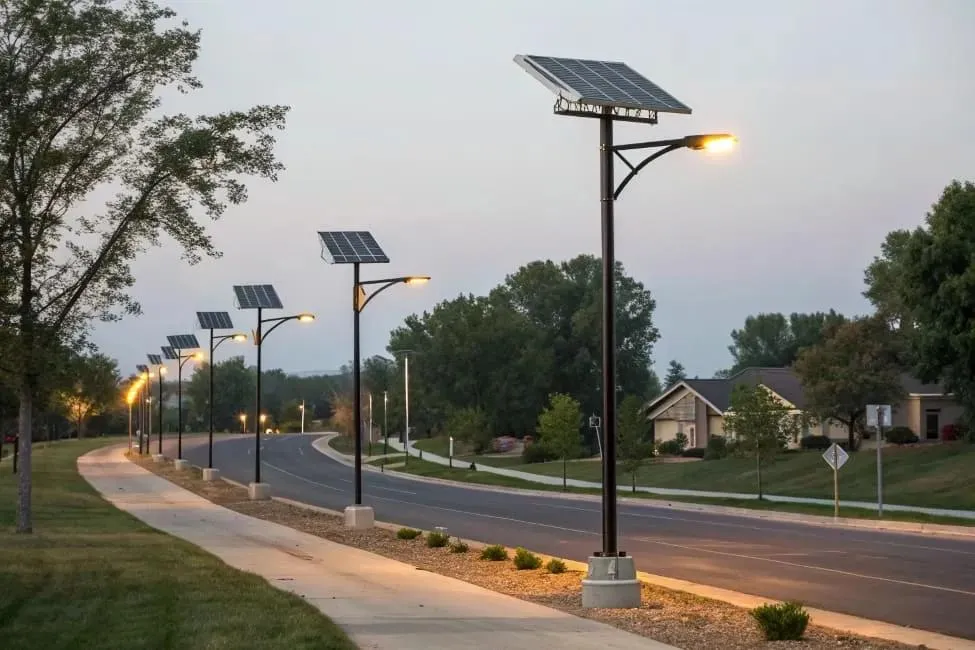

Urban infrastructure is evolving rapidly, and lighting systems are no exception. Cities, towns, and rural areas are increasingly exploring alternatives to traditional grid-based systems to reduce costs and improve sustainability. One of the most widely adopted solutions is solar street lightings, which operates independently of the electrical grid and relies on renewable solar energy.
Compared to conventional grid lighting, solar-powered systems offer a different approach to public illumination. They reduce dependency on centralized electricity networks while improving flexibility in installation and maintenance. As governments and developers look for smarter infrastructure solutions, solar street lights are becoming a practical and efficient choice for modern outdoor lighting needs.
What Are Solar Street Lights?
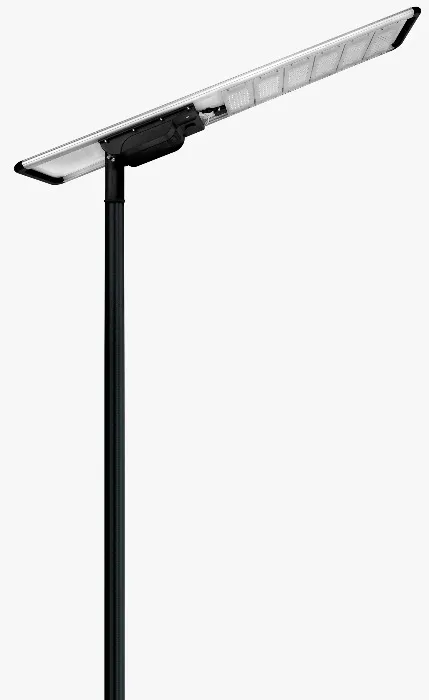
Solar street lights are outdoor lighting systems powered by photovoltaic panels that convert sunlight into electricity. This energy is stored in rechargeable batteries and used to power LED lamps at night.
A typical system includes:
- Solar panel
- LED lamp
- Rechargeable battery
- Charge controller
- Mounting pole
Unlike traditional systems, they operate independently of grid lighting infrastructure, making them suitable for both urban and remote areas.
What Is Grid Lighting?
Grid lighting, also known as traditional street lighting, is powered directly from the electrical grid. These systems require underground or overhead wiring connected to a central power source.
While widely used for decades, grid lighting depends heavily on:
- Continuous electricity supply
- Complex wiring systems
- Centralized maintenance
- Higher operational costs
Any disruption in the grid can directly affect lighting availability.
Key Advantages of Solar Street Lights Over Grid Lighting
1. Lower Energy Costs
One of the biggest advantages of solar street lights is the elimination of electricity bills. Since they rely entirely on solar energy, operational costs are significantly reduced.
In contrast, grid lighting consumes continuous electrical power, leading to long-term recurring expenses for municipalities and private operators.
2. Easy and Flexible Installation
Solar street lights do not require trenching, cabling, or connection to the power grid. This makes installation:
- Faster
- Less labor-intensive
- Cost-effective
- Suitable for remote areas
Grid lighting installations, on the other hand, require extensive electrical infrastructure, which increases both time and cost.
3. Better Suitability for Remote Locations
In rural or off-grid areas, extending electrical infrastructure can be expensive or impractical. Solar street lights provide a reliable alternative in such environments.
They are commonly used in:
- Rural roads
- Mountain regions
- Coastal areas
- Agricultural zones
- Construction sites
Grid lighting is often not feasible in these locations due to infrastructure limitations.
4. Reduced Maintenance Requirements
Solar street lights generally require less maintenance because they operate independently and have fewer external components.
Typical maintenance tasks include:
- Occasional panel cleaning
- Battery replacement every few years
- Basic system checks
Grid lighting systems require more frequent attention due to wiring issues, power failures, and centralized system faults.
5. Environmentally Friendly Solution
Since solar street lights use renewable energy, they produce no direct carbon emissions during operation. This makes them a sustainable alternative to traditional grid lighting, which may rely on fossil-fuel-based electricity generation.
Environmental benefits include:
- Reduced carbon footprint
- Lower energy consumption
- Support for green infrastructure initiatives
6. Improved Energy Independence
Solar lighting systems operate independently of the power grid. This means they continue functioning even during power outages.
This independence is especially useful for:
- Emergency lighting
- Disaster-prone areas
- Critical roadways
- Security lighting systems
Grid lighting, in contrast, becomes non-functional when the power supply is interrupted.
7. Smart Technology Integration
Modern solar street lights often include smart features such as:
- Motion sensors
- Automatic dimming
- Remote monitoring
- Timed lighting schedules
These features help optimize energy usage and improve performance. While grid lighting can also be made smart, it typically requires additional infrastructure and higher costs.
Real-World Applications of Solar Street Lights
Solar street lighting is being widely adopted across different environments:
Urban Areas
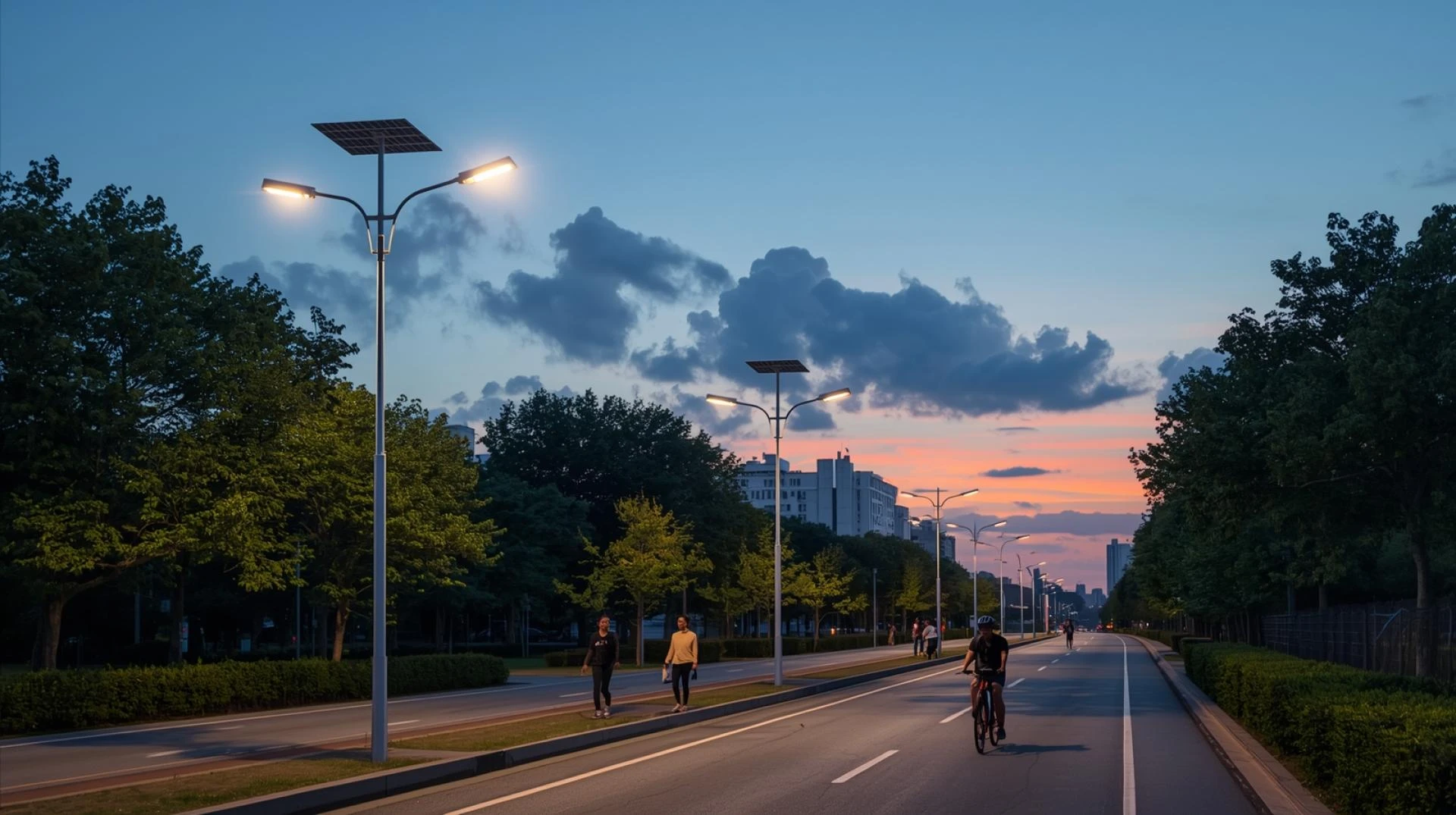
Cities use solar lighting to reduce electricity consumption and support sustainability goals.
Rural Development Projects
Governments install solar lighting in villages where grid expansion is costly.
Highways and Roads
Remote highways benefit from uninterrupted lighting without dependency on grid failures.
Industrial Zones
Factories and warehouses use solar lighting to reduce operational expenses.
Practical Insights: When to Choose Solar Street Lights
Before deciding between solar and grid lighting, consider the following:
Evaluate Location Conditions
If the area receives adequate sunlight, solar lighting is highly effective.
Analyze Long-Term Costs
Solar systems have higher initial costs but lower long-term expenses.
Consider Reliability Needs
For areas prone to power outages, solar lighting provides better consistency.
Assess Maintenance Capacity
If maintenance resources are limited, solar systems are easier to manage.
Common Misconceptions About Solar Street Lights
“They don’t work in cloudy weather”
Modern systems store energy efficiently and can operate for several days without direct sunlight.
“They are too expensive”
While initial investment may be higher, long-term savings often outweigh installation costs.
“They are less bright than grid lighting”
LED technology ensures that solar street lights can deliver comparable brightness levels.
Future of Public Lighting
The shift toward renewable energy is driving rapid adoption of solar-based infrastructure. Governments and urban planners are increasingly integrating solar streetlights into smart city projects to improve sustainability and reduce dependence on traditional electrical grids.
As battery technology and solar efficiency continue to improve, these systems are expected to become even more reliable and cost-effective.
Conclusion
The growing adoption of solar street lights highlights a clear shift toward sustainable and cost-efficient outdoor lighting solutions. Compared to grid lighting, they offer lower operating costs, easier installation, reduced maintenance, and greater energy independence.
While both systems have their place, solar lighting is becoming a preferred option for modern infrastructure projects seeking long-term efficiency and environmental responsibility.
Frequently Asked Questions
What are solar street lights and how do they work?
Solar street lights are outdoor lighting systems powered by photovoltaic panels that convert sunlight into electricity. This energy is stored in rechargeable batteries and used to power LED lamps at night, allowing them to operate independently of the electrical grid.
What are the advantages of using solar street lights over traditional grid lighting?
Solar street lights offer several advantages including lower energy costs, easy installation, better suitability for remote locations, reduced maintenance requirements, and environmental benefits. They also provide energy independence, as they continue to function during power outages, unlike grid lighting.
Can solar street lights work effectively in cloudy weather?
Yes, modern solar street lights are designed to store energy efficiently and can operate for several days without direct sunlight. This capability ensures they remain functional even in less than ideal weather conditions.
Are solar street lights more expensive to install than traditional lighting?
While the initial investment for solar street lights may be higher than traditional grid lighting, they typically lead to lower long-term operational costs. This is due to the absence of electricity bills and reduced maintenance needs, making them more cost-effective over time.
How do solar street lights compare in brightness to grid lighting?
Solar street lights can deliver brightness levels that are comparable to traditional grid lighting, primarily due to the use of advanced LED technology. This means they can effectively illuminate areas just as well as conventional lighting systems.
In what situations are solar street lights the best choice?
Solar street lights are ideal for areas that receive adequate sunlight and locations where extending electrical infrastructure is costly or impractical. They are also suitable for rural roads, highways, and disaster-prone areas where consistent lighting is essential.
What smart features can be integrated into solar street lights?
Modern solar street lights can include smart features such as motion sensors, automatic dimming, remote monitoring, and timed lighting schedules. These features help optimize energy usage and improve the overall performance of the lighting system.
What common misconceptions exist about solar street lights?
Common misconceptions include the belief that solar street lights don't work in cloudy weather, that they are too expensive, or that they are less bright than grid lighting. In reality, modern solar systems are efficient, cost-effective in the long run, and provide adequate brightness.


























Sign in to leave a comment.