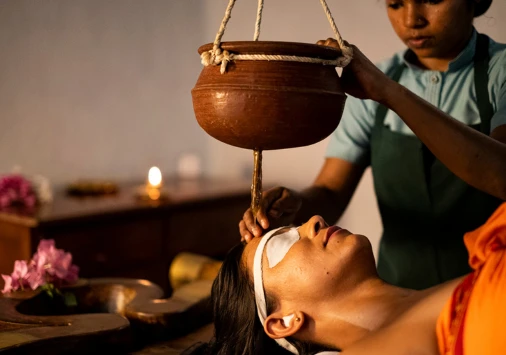

In today’s fast-paced lifestyles dominated by endless schedules, work pressure, poor stress management, and low-nutrition food choices. Ayurveda not just becomes a necessary treatment, but it becomes a prerequisite to natural healing and lasting wellness. Ayurveda is not only an alternative treatment to modern science, but it is a holistic approach to health that originated in India and has been kept in practice for more than 5000 + years now. The importance of Ayurveda today has transcended health anxieties and moved on to restore balance at a larger level. Ayurveda not just deals with the symptoms, but it explores the root causes, understands the anatomy of the patient, and comes up with long-term solutions through diet charts, herbal remedies, and physical treatments that help fix the Prakriti (individual constitution of the patient) and fix the Vikriti (imbalances). Ayurveda helps to restore equilibrium by inculcating Dinacharya (daily routine), lifestyle choices, and personalized preferences.
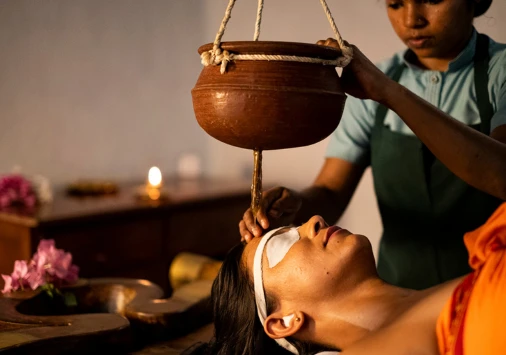
Ayurveda not just manages the symptoms, diagnoses the root cause
One of the biggest reasons that Ayurveda has gained popularity in today’s time is that it not only manages the symptoms but it understands and treats the root cause of the disease. It goes beyond removing the surface-level systems. For instance, a chronic headache would be treated differently in modern science, and the patient would be healed through medicines and tablets alone. But in Ayurveda, the chronic headache is understood by decoding the Dosha type of the patient. Ayurveda would try to understand whether the chronic headache is caused by excessive heat, that is - Pitta, Vata - dryness and stress, or Kapha – stagnation. This decoding of the person’s Dosha constitution helps in creating a sustainable remedy and offers a long-term solution rather than temporary relief.
Customizes healing through dosha balance
Ayurveda categorizes people into three types of body constitution, which are also known as Doshas – Vata, Pitta, and Kapha. Each of these doshas represents different elements and energies in our bodies, and the appropriate balancing of the three doshas is what constitutes good health. Any kind of change in this balance can create discomfort and the need to fix that particular imbalance. Vata is made of air and space, and it mostly rules creativity, movement, as well as our nervous systems. Pitta, which is made of fire and water, governs metabolism, digestion, and our intellect. And Kapha, made of earth and water elements, manages structure, stability, and immunity. Ayurveda customizes healing through Dosha balance, using personalized diet plans, herbal teas, oil massages, lifestyle changes, and inculcation of yoga practices as per the dosha. This is the reason why two people cannot have the same treatment in Ayurveda.
Detoxification through therapies like Panchkarma
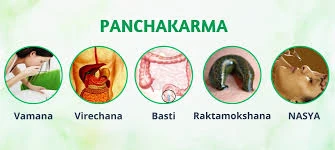
Panchkarma is a star therapy in Ayurveda. It is one of the most popular contributions to the treatment prescribed in Ayurveda. It is basically a five-step detoxification and rejuvenation therapy which includes –
· Vamana – Vamana is a Therapeutic emission that basically focuses on expelling excess Kapha from the upper body of the patient. In this step, herbal decoctions are given to the patient to induce vomiting. It is helpful in treating allergies and conditions like asthma.
· Virechana – Virechana Progregation therapy that involves providing herbal laxatives to the patient after Snehana and Swedana, which are oil and steam therapies. Virechana focuses on removing excess pitta, especially from the liver and the intestines. This step is specifically beneficial for liver conditions, hormonal imbalance, and acidity.
· Basti – Basti is a medicated enema in which herbal decoctions and oils are provided rectally to the patient. It is considered one of the most beneficial therapies for Vata disorders, and it is helpful in treating conditions like constipation, arthritis, and neurological issues. It nourishes the colon and rejuvenates the body from within.
· Nasya – Nasya involves nasal cleansing through nasal administration of oils and herbal juices. This is helpful in clearing the energy channels, and it helps treat conditions like migraines, sinusitis, and insomnia. It is also beneficial in strengthening the sensory organs and fostering mental clarity.
· Raktamokshana – Raktamokshana is a bloodletting therapy which is done through leech therapy or controlled venesection. The goal is to purify the blood in order to cure skin diseases, infections, reduce inflammation, and even relieve toxic overload.
Ayurveda centre in Kerala, like Lokah Ayurveda, offer some of the best ayurvedic treatments, including Panchkarma, which treats the disease from the root cause.
Promotes mental and emotional well-being
Ayurveda not only treats physical conditions and ailments, but it has established a mind-body connection way before modern science did. The remedies and treatments in Ayurveda work from the root and therefore include lifestyle changes. Habits such as light satvik meals, Pranayama - the yogic breath work, meditation, and herbal concoctions like Brahmi, Shank Pushpi, etc. help in calming down the nervous system, treating anxiety and depression, and promoting emotional health. As per Ayurveda, a calm and healthy mind is as important as a healthy body. Therefore, treatments in Ayurveda address both physical and mental health and heal them both simultaneously.
Dinacharya and Ritucharya
Ayurveda stresses Dinacharya and Ritucharya. Dinacharya is basically the day to day lifestyle changes and inclusion of healthy habits and diet as per one’s specific dosha type to cure illnesses and live a healthy life. And Ritucharya is adapting those habits and diet references as per the Ritu (seasons). For instance, the kind of food preferences and herbal concoctions consumed in the monsoon season would be different from what one would require in the winter season.
Suitable for all age groups
Remedies in Ayurveda are suitable for people from all walks of life and all age groups. Since Ayurveda stresses more on lifestyle changes and herbal options, as well as remedies that do not have any side effects, the Ayurvedic solutions mostly work for all. There are even specific herbal therapies that are designed for specific age groups. For example, herbal rasayanas (pastes) like Chyawanprash and Shankhpushpi are good for growing children, herbs like Shatavari are given to women for balancing hormones as well as during pregnancy, Ashwagandha and Brahmi based pastes are given to adults and the elderly, etcetera. So even though one solution in Ayurveda is not meant for two people, and Ayurveda is not a one size that fits all, yet it has something for everyone.
Conclusion
So Ayurvedic treatments are not just necessary today, they are a prerequisite to unlocking natural health and wellness. It is a combination of lifestyle choices, natural remedies, healthy habits, and herbs that help us reconnect with our body and nature. This ancient wisdom not only guides people to recover from illness but also helps them thrive in their bodies. If you are looking for a holistic healing that offers you personalized recommendations and remedies, Lokah Ayurveda is one of the best Ayurveda treatment in Kerala.





























Sign in to leave a comment.