
A few years ago, most businesses treated recycling like background work.
There would be a couple of bins near the entrance, maybe a sign about sustainability somewhere on the wall, and that was usually enough. Nobody thought much about it unless the bins overflowed or customers complained about the mess.
That changed pretty quickly.
Now people actually notice how businesses handle waste. Customers notice overflowing plastic bottles near food courts. Employees notice when recycling systems feel confusing. Even visitors pay attention to whether a company looks organised or careless in shared public spaces.
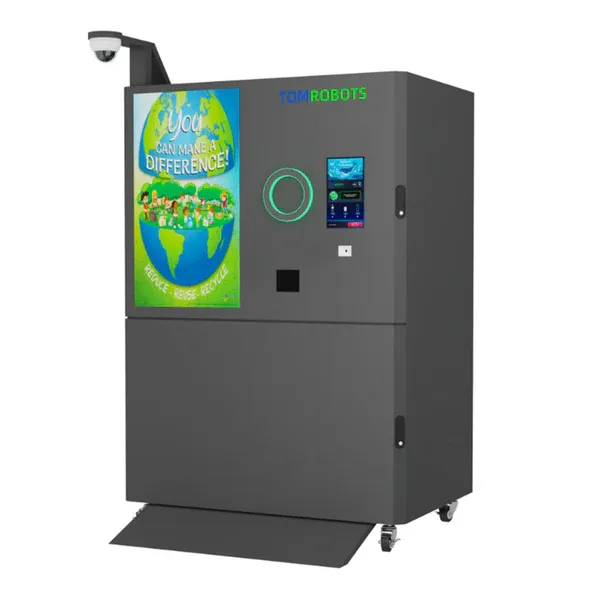
That’s a big reason more companies are installing an automated recycling machine instead of relying only on traditional bins. Businesses realised that recycling works much better once the process becomes easier, cleaner, and more visible for everyone using the space.
People Usually Take the Easier Option
Most people support recycling in theory.
Realistically though, convenience decides behaviour most of the time.
If someone finishes a drink while rushing through a shopping centre, they’re probably not standing there carefully reading labels on three different bins. If the recycling area looks messy or overflowing, people stop trying almost immediately.
One retail manager admitted something surprisingly honest during a sustainability event. He said:
“People recycled more once we stopped making them think about recycling.”
That explains automated systems pretty well.
A customer inserts a bottle, the machine accepts it, and everything else happens automatically. No confusion. No guessing. No messy sorting bins sitting nearby.
Honestly, simplicity changes behaviour faster than awareness campaigns sometimes do.
Overflowing Bins Make Places Feel Neglected
This part sounds small until you actually notice it happening.
One overflowing recycling area can quietly make an entire space feel poorly managed. Bottles stacked beside full bins, sticky drink spills near entrances, loose rubbish around seating areas — it affects how clean the environment feels overall.
Businesses started paying attention because customers notice these things even if they never say it directly.
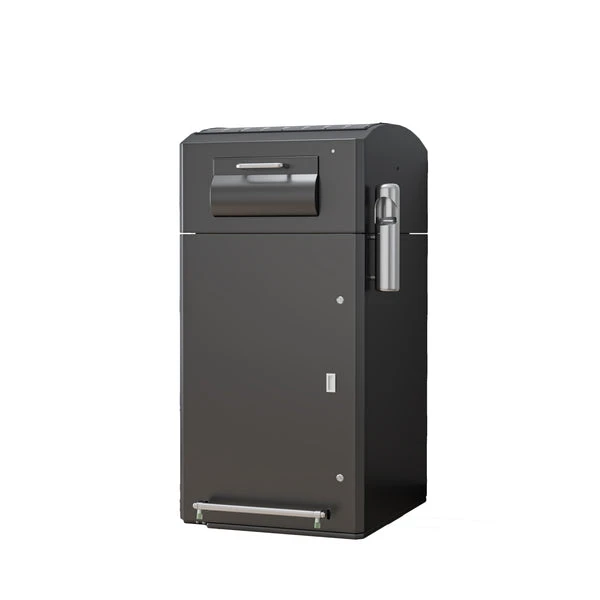
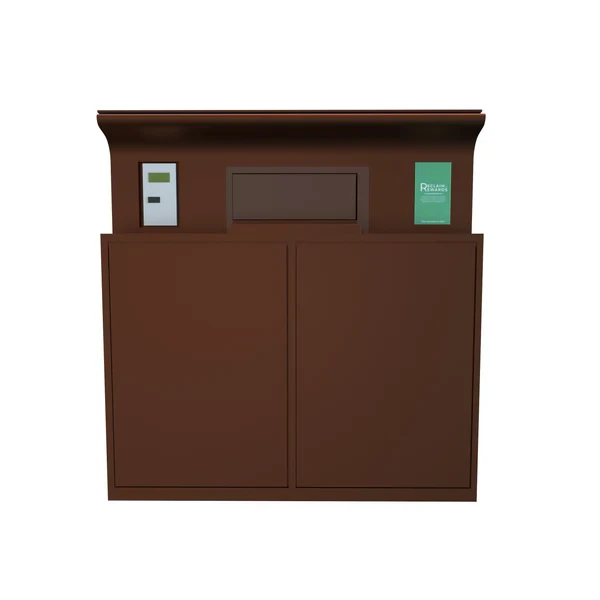
A smart bottle return machine helps because containers stay organised inside the system instead of piling up openly around traditional bins.
That immediately improves:
- Cleanliness
- Organisation
- Waste flow
- Public appearance
And honestly, spaces feel calmer once rubbish stops becoming visually chaotic.
Sustainability Became More Public
Businesses used to talk about sustainability mostly through advertisements or annual reports that nobody actually read.
Now customers expect visible action.
People want to physically see businesses doing something practical instead of just claiming environmental responsibility online. Recycling stations became part of that shift because they’re public, visible, and easy for customers to interact with directly.
One café owner mentioned customers regularly stopped to ask how the recycling machine worked after it was installed near the counter. Some people even started returning bottles they normally would’ve thrown away elsewhere.
That kind of behaviour matters because it shows visibility influences participation.
People engage more once sustainability becomes part of their everyday routine instead of distant messaging.
Sorting Waste Manually Is Slower Than People Realise
Most customers never see what happens behind the scenes after rubbish leaves public bins.
Staff often deal with:
- Incorrectly sorted waste
- Food contamination
- Loose bottles mixed with general rubbish
- Overflow problems during busy hours
That process takes time, labour, and constant cleaning.
An AI recycling vending machine reduces part of that problem because it identifies materials automatically instead of relying completely on human sorting later.
One operations supervisor explained that contamination rates dropped noticeably after automated sorting systems were introduced because customers stopped throwing random waste into open recycling bins.
Honestly, people recycle more accurately once machines remove uncertainty from the process.
Customers Like Interactive Systems More Than Expected
This surprised a lot of businesses.
People actually enjoy using recycling machines when they feel interactive or rewarding. Some systems display points, digital messages, loyalty rewards, or simple confirmation screens after each bottle return.
That small interaction changes the experience psychologically.
A university installed recycling units that rewarded students with tiny café discounts after bottle returns. According to staff, students started treating recycling almost like a challenge between friend groups.
Nobody expected that reaction initially.
But honestly, people respond differently once recycling feels active instead of passive.
Waste Collection Costs Quietly Add Up
Businesses dealing with large public spaces spend far more on waste management than many customers realise.
Collection frequency, cleaning labour, sorting issues, contamination problems, and overflowing bins all create ongoing operational costs.
A properly managed automated recycling machine helps reduce some of that pressure because recyclable materials stay compressed, sorted, and organised before collection even begins.
For large venues like:
- Airports
- Stadiums
- Shopping centres
- Universities
- Entertainment venues
Small improvements in waste flow create surprisingly noticeable operational benefits over time.
And honestly, sustainability projects gain more internal support once they also reduce logistical headaches.
Employees Usually Participate More Too
This part gets overlooked constantly.
Employees are far more likely to recycle properly when the system feels straightforward. Traditional recycling bins often create uncertainty because people are unsure where items actually belong.
Machines remove that hesitation.
One office manager noticed staff participation improved almost immediately after installing a visible recycling station near break areas. Before that, employees often defaulted to general rubbish simply because it felt faster.
People usually choose convenience during busy workdays. Businesses are finally designing systems around that reality instead of expecting perfect behaviour automatically.
Data Became Part of Sustainability Decisions
Modern businesses want measurable information now.
They don’t just want recycling bins sitting in corners. They want actual numbers showing:
- Usage frequency
- Return volumes
- Waste trends
- Collection efficiency
- Participation patterns
An AI recycling vending machine helps provide that information automatically, which makes sustainability efforts easier to track internally.
One facility manager admitted they discovered certain sections of their building generated nearly twice as much recyclable waste as expected once the system started collecting real data.
Before that, they were mostly guessing.
Businesses Want Systems That Feel Permanent
Customers became skeptical of temporary “green” campaigns pretty quickly.
A few posters about sustainability no longer impress people much. Businesses realised long-term systems create more trust because customers can actually see them functioning daily.
That’s probably why automated recycling technology keeps expanding into more public environments now.
It feels practical instead of performative.
And honestly, people trust visible action more than polished messaging almost every time.
Final Thoughts
Most businesses originally started investing in recycling technology because of waste problems.
Cleaner public spaces, easier sorting, lower contamination, and better organisation were the first priorities. But over time, companies realised something else was happening too — customers and employees actually responded positively once recycling became easier and more visible.
That’s why more businesses are moving toward automated systems instead of relying completely on traditional recycling bins. An automated recycling machine doesn’t just collect bottles more efficiently. It changes how people interact with recycling in everyday spaces.
And honestly, once the process becomes simple enough, most people are perfectly willing to participate without needing much convincing at all.























Sign in to leave a comment.