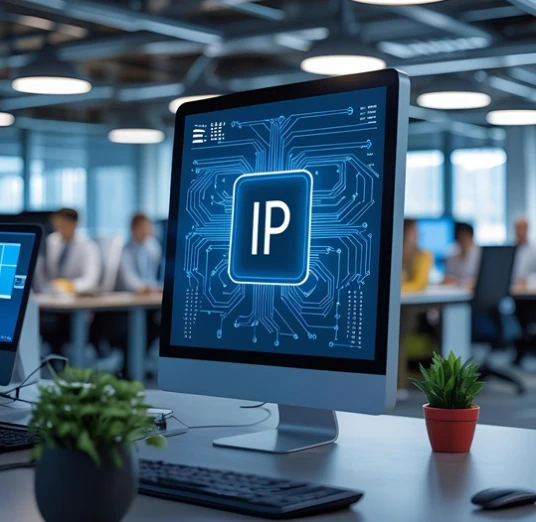

As the internet continues to grow, the demand for IP addresses remains critical for businesses, cloud providers, and internet service providers. Despite the emergence of IPv6, IPv4 addresses are still the backbone of the internet—and they’re in increasingly short supply.
If you're searching for how or where to buy IPv4 addresses, you're not alone. Many companies are turning to the secondary IPv4 market to acquire the resources needed to scale infrastructure, expand networks, and maintain global reach. Here's why buying IPv4 addresses in 2025 still makes sense—and how to do it the right way.
Why Are IPv4 Addresses Still in Demand?
Although IPv6 was designed to replace IPv4, widespread adoption has been slow. The reality is that:
- Many devices, data centers, and legacy systems still rely on IPv4.
- Major regions, including parts of North America and Europe, still use IPv4 as the default.
- Transitioning entirely to IPv6 requires time, cost, and technical planning—many businesses aren’t ready.
This gap between IPv4 exhaustion and full IPv6 adoption has created a thriving IPv4 marketplace, where companies buy and sell IPv4 address blocks.
Benefits of Buying IPv4 Addresses
If your business needs to expand its IP space, purchasing IPv4 addresses offers several advantages:
- ✅ Immediate availability – No waiting for allocations from regional registries like ARIN or RIPE.
- ✅ Network growth – Necessary for launching new services, servers, or regions.
- ✅ Stability and compatibility – Maintain seamless communication with legacy systems and global partners.
- ✅ Long-term asset – IPv4 addresses can appreciate in value due to ongoing scarcity.
Where Can You Buy IPv4 Addresses?
There are three main ways to buy IPv4 address space:
- IPv4 Brokers
- Reputable brokers help buyers and sellers connect, ensuring transfers meet RIR policies and legal compliance. Look for brokers registered with ARIN, RIPE, or APNIC.
- IPv4 Marketplaces
- Online platforms like IPv4.Global, Prefixx, and Hilco Streambank offer listings for /24, /23, and larger blocks.
- Direct Transfers
- If you have a trusted seller, you can complete a direct transaction, but be sure to follow the proper transfer process through your RIR.
How Much Does an IPv4 Address Cost in 2025?
Pricing varies by block size, region, and market demand. As of mid-2025, the average price per IPv4 address ranges from:
- $40 to $60 USD per IP address
- For example, a /24 block (256 addresses) could cost $10,000–$15,000+
Prices have steadily increased over the years due to scarcity, making IPv4 a valuable digital asset.
Tips for Buying IPv4 Safely
- Use a verified broker or marketplace
- Check IP reputation – Use tools like Cisco Talos or Spamhaus to ensure the block isn't blacklisted
- Understand RIR transfer policies – Follow ARIN, RIPE, or APNIC guidelines depending on your location
- Secure legal agreements – Have a clear sales contract outlining terms, liability, and conditions
- Plan for routing and registration updates after purchase
IPv4 Is Still a Vital Asset
Even in a world gradually shifting toward IPv6, buying IPv4 addresses remains a smart and necessary move for many organizations. Whether you’re scaling a business, expanding network infrastructure, or investing in digital resources, IPv4 is still an essential part of the internet ecosystem in 2025.




























Sign in to leave a comment.