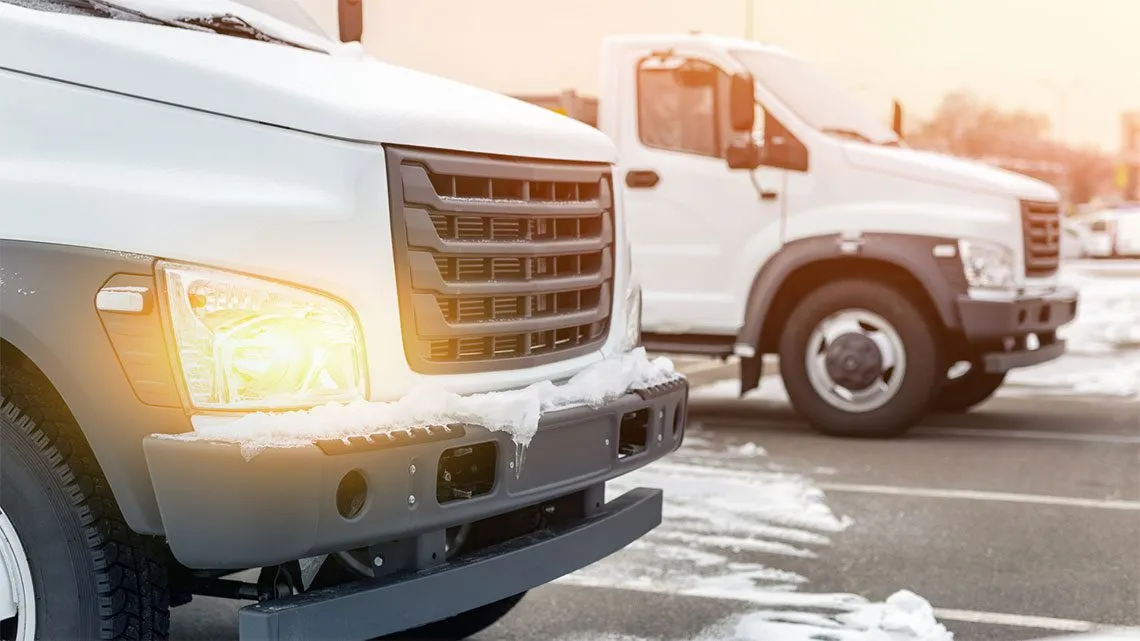

Here is something most business owners figure out the hard way: running vehicles without a real plan costs more than it looks. The fuel slips, the surprise repairs, the wasted downtime while a truck sits at a shop, it all piles up. And somewhere in that pile is money that did not have to walk out the door.
That is why more companies in logistics, construction, HVAC, and field services are ditching the buy-and-hope approach. Partnering with a solid fleet leasing company just makes more operational sense. You keep cash in the business, get access to newer vehicles, and stop treating fleet headaches like part of the job description. Throw in the right commercial truck leasing structure for your work vehicles, and you have got a foundation that actually supports growth instead of fighting it.
What Makes A Fleet Leasing Company Worth Partnering With?
A good fleet leasing company is not just handing you keys and walking away. They are building a vehicle program around the way your business actually runs day to day. That looks like right-sized vehicles for the job, lease terms with some flexibility built in, and one person you actually call when something comes up.
When a provider holds certifications from manufacturers like Ford, GM, and Stellantis, those are not just logos on a website. That certification is what unlocks fleet-level pricing and manufacturer incentives that you simply cannot get walking into a dealership. On a fleet of 20 or 30 vehicles, that difference is not small.
Here are 4 things a quality leasing partner handles so you do not have to:
- Vehicle sourcing and procurement at fleet-level pricing
- Title work, registration, and delivery logistics
- Scheduled maintenance management and servicing
- End-of-lease vehicle cycling and resale planning
How Does Commercial Truck Leasing Actually Cut Costs?
The short answer: it swaps unpredictable expenses for a fixed monthly number you can actually plan around. Commercial truck leasing eliminates the big upfront hit of purchasing work vehicles outright and replaces it with consistent, budgetable payments.
When you own trucks outright, every repair bill, blown tire, and depreciation charge lands directly on your books. Leasing shifts a lot of that risk. Pair it with a maintenance management program and your trucks stay on the road instead of sitting in a shop bay while your team scrambles to reschedule jobs.
There are 3 concrete cost advantages commercial truck leasing brings to the table:
- All-inclusive lease rates with no surprise fees buried in the fine print
- Manufacturer fleet discounts and incentives built directly into your pricing
- Proactive maintenance programs that head off costly breakdowns before they happen
Why Are Telematics And Fleet Tracking A Must-Have Now?
Think about how much your team guesses right now. Which route is fastest? Which driver is burning extra fuel? Which truck is 500 miles past its service interval? Telematics and fleet tracking replace those guesses with actual data. Real-time location, driving behavior, and service scheduling all in one place.
But here is the part that often gets overlooked: telematics and fleet tracking also make lease-end decisions smarter. When you have solid usage data, you know exactly when to cycle out a vehicle. That means no over-mileage penalties and no holding onto a truck past its useful life just because the paperwork feels complicated.
Once you are managing 10 or more vehicles, running without this kind of visibility is like navigating without a map. It works until it does not.
What Are EV Fleet Leasing Programs And Do They Make Sense For You?
EV fleet leasing programs let businesses get into electric and hybrid work vehicles without writing a big check upfront. You get the cleaner, lower-maintenance vehicle without the capital commitment of an outright EV purchase.
Whether it makes sense for your operation depends on 3 things: your typical routes, your charging setup, and how much range variability your drivers deal with. For urban delivery companies or service businesses running predictable loops, EV fleet leasing programs deliver real savings on fuel and service. Electric vehicles carry fewer mechanical components, so the ongoing maintenance costs run lower compared to a traditional diesel or gas truck.
Working with a provider that offers both traditional and EV leasing means you do not have to commit to a full fleet overhaul to get started. You move at the pace that fits your business.
How Do Business Vehicle Leasing Solutions Scale With Your Company?
A five-truck operation and a 200-vehicle national fleet are not the same problem. Good business vehicle leasing solutions recognize that. They build programs around where you are today while leaving room for where you are going.
Open-end leases suit operations with variable mileage and usage. You get more control over resale at term end, and the structure flexes with your volume. Closed-end leases work better when your routes are steady and your budget needs to be predictable month over month.
The stronger providers of business vehicle leasing solutions go further than just the lease itself. Vehicle upfitting, graphics installation, and multi-state registration renewals are all part of the package. That is a real lift off your internal team, especially if you are operating across several states.
What Should You Actually Compare When Looking At Fleet Leasing Companies?
The monthly rate is the first thing everyone looks at and often the most misleading number on the page. A fleet leasing company can advertise a competitive rate and then layer on administrative fees, processing charges, and service add-ons that quietly inflate your real cost. That is where a lot of businesses realize, too late, that they were not comparing apples to apples.
There are 5 things worth digging into before you sign anything:
- Fee structure: Are lease rates truly all-inclusive or are extras billed on top?
- Manufacturer certifications: Do they actually access fleet discounts directly?
- Account management: Is there one dedicated person who knows your account?
- Commercial truck leasing coverage: Do they handle the specific vehicle types you run?
- Technology support: Do they integrate with telematics or fleet tracking platforms?
The businesses that ask these questions upfront tend to end up with partners, not just vendors. And that distinction matters a lot when something goes sideways at 6 a.m. and you need an answer fast.
The Bottom Line On Fleet Leasing For Growing Businesses
Fleet complexity does not shrink on its own. The more vehicles you add, the more moving parts there are, and the more those parts cost you when they are not managed well. Partnering with the right fleet leasing company is how growing businesses take that complexity off their plate and put it in the hands of people who do this every day.
Whether you are looking to cut costs through commercial truck leasing, future-proof your operation with EV fleet leasing programs, or build out business vehicle leasing solutions that hold up as you scale, the fundamentals stay the same: you want a partner with transparent pricing, real flexibility, and someone who picks up the phone when you call.
Corporate Fleet Services builds vehicle programs around how your business actually works. No hidden fees, no cookie-cutter packages, and a dedicated account manager who stays in your corner.
Ready to stop guessing and start managing your fleet smarter? Get in touch with Corporate Fleet Services and let a fleet leasing company specialist put together a cost-savings analysis built around your operation.

























Sign in to leave a comment.