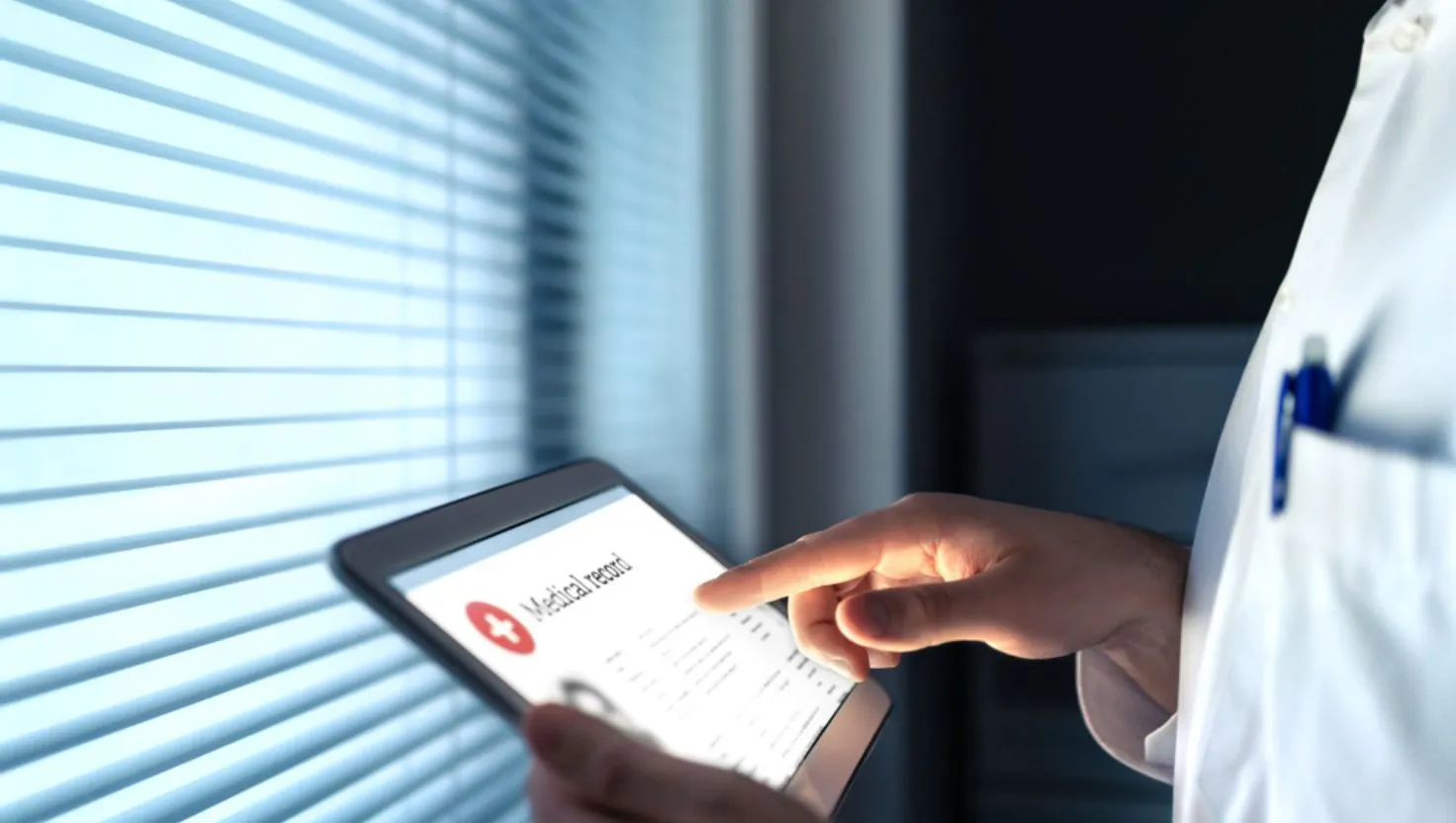

High blood pressure is often called a “silent problem” because it does not always show clear symptoms. Many people feel normal even when their numbers are high. But over time, uncontrolled blood pressure can harm the heart, kidneys, brain, and other organs. This is why consistent monitoring plays a key role in chronic hypertension treatment.
Managing hypertension is not just about taking medicine. It is about understanding your body, tracking changes, and making the right decisions at the right time. Let’s explore why regular monitoring is so important and how it can improve long-term health.
Understanding Chronic Hypertension
Chronic hypertension means your blood pressure stays high for a long period. It is not a one-time issue. It needs continuous care and attention.
Doctors usually recommend a mix of:
- Medication
- Lifestyle changes
- Regular check-ups
However, one factor that connects all of these is monitoring. Without tracking your blood pressure, it becomes difficult to know if your treatment is working or not.
Why Monitoring Is Not Optional
Many people think checking blood pressure once in a while is enough. But that approach can lead to gaps in treatment.
Here’s why consistent monitoring is essential in chronic hypertension treatment:
1. Helps You See the Real Picture
Blood pressure can change throughout the day. It may go up due to stress, poor sleep, or diet. A single reading at a clinic does not show the full story.
When you monitor regularly:
- You see patterns
- You understand triggers
- You get a more accurate view of your health
This helps both patients and doctors make better decisions.
2. Supports Early Detection of Problems
One of the biggest risks of hypertension is that it can worsen without warning. Regular tracking helps catch issues early.
For example:
- Sudden spikes can be noticed quickly
- Medication side effects can be identified
- Risk of complications can be reduced
Early action can prevent serious health events like heart attack or stroke.
3. Improves Treatment Decisions
Every person responds differently to treatment. What works for one patient may not work for another.
Consistent monitoring allows doctors to:
- Adjust medication doses
- Change treatment plans
- Suggest lifestyle improvements
This makes chronic hypertension treatment more personalized and effective.
4. Builds Patient Awareness
When people track their blood pressure regularly, they become more aware of their health.
They start to notice:
- How food affects their readings
- The impact of exercise
- The role of stress
This awareness leads to better habits and stronger commitment to treatment.
The Role of Technology in Monitoring
In today’s digital world, managing hypertension has become easier. Many patients now use mobile apps and digital tools to track their readings.
Platforms like Calcium Health are helping patients and doctors stay connected through smart tracking solutions.
These tools offer:
- Easy logging of blood pressure readings
- Daily reminders
- Health insights based on data
- Communication between patients and care providers
Such solutions make chronic hypertension treatment more organized and less stressful.
How Regular Monitoring Builds Better Habits
Consistency creates discipline. When patients check their blood pressure daily or weekly, it becomes part of their routine.
Over time, this leads to:
- Better medication adherence
- Healthier food choices
- Regular physical activity
Small actions done regularly can lead to big improvements.
Common Mistakes People Make
Even when people monitor their blood pressure, they sometimes make mistakes that reduce its value.
Here are a few common ones:
1. Checking Only When Feeling Unwell
Many people check their BP only when they feel dizzy or uncomfortable. This does not help in long-term tracking.
2. Ignoring Readings
Some people record numbers but do not review them or share them with their doctor.
3. Irregular Monitoring
Skipping days or weeks breaks the pattern and makes it hard to understand trends.
4. Wrong Measurement Technique
Using the wrong cuff size or incorrect posture can give inaccurate results.
Avoiding these mistakes can make monitoring more effective.
Tips for Effective Blood Pressure Monitoring
To get the best results, follow these simple tips:
- Measure at the same time each day
- Sit calmly for a few minutes before checking
- Keep a record of readings
- Avoid caffeine or smoking before measurement
- Share your data with your doctor regularly
These small steps can improve the quality of your monitoring.
The Emotional Side of Monitoring
Managing a chronic condition can feel overwhelming. Some patients feel anxious when checking their blood pressure frequently.
However, consistent monitoring should not create fear. Instead, it should give confidence.
When you understand your numbers:
- You feel more in control
- You worry less about the unknown
- You can take timely action
Support from healthcare providers and tools like Calcium Health can make this journey smoother and more reassuring.
Long-Term Benefits of Consistent Monitoring
When monitoring becomes a habit, it leads to long-term health benefits:
- Reduced risk of heart disease
- Better kidney health
- Lower chances of stroke
- Improved quality of life
Most importantly, it helps patients live with confidence, knowing they are actively managing their condition.
Final Thoughts
Chronic hypertension treatment is not a one-time effort. It is a continuous process that requires attention, discipline, and the right tools.
Consistent monitoring acts as a guide throughout this journey. It helps patients stay informed, supports doctors in making better decisions, and reduces the risk of complications.
In simple words, if you want better control over hypertension, start by paying close attention to your numbers. With the support of modern solutions like Calcium Health, managing blood pressure has become easier and more effective than ever.































Sign in to leave a comment.