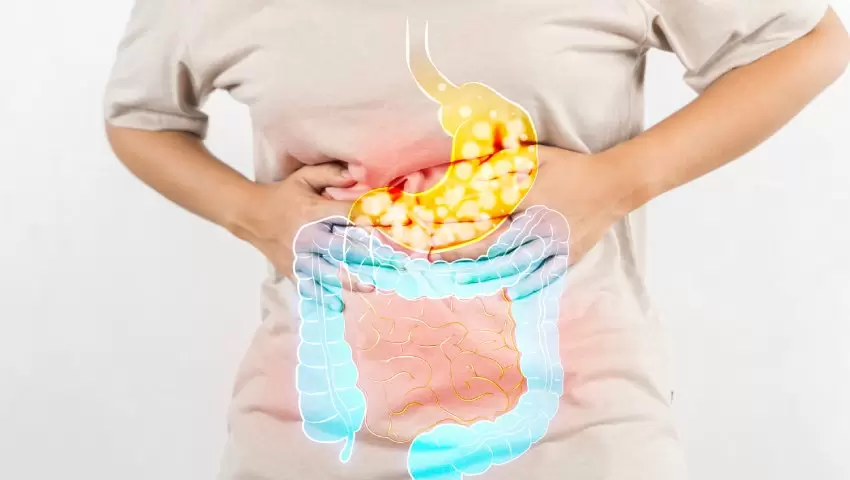

Constipation is a common digestive condition, and people often ignore it as a minor issue. While occasional constipation is common and doesn’t pose any threat to your health, chronic constipation should not be left unaddressed. When this condition is persistent, it may lead to serious health complications and affect your quality of life.
This condition is characterized by irregular bowel motions that occur fewer than three times a week. You experience a problem passing stools. Chronic constipation includes the following symptoms:
- Excessive straining during bowel movements
- Hard or lumpy stools
- A feeling of incomplete evacuation
- Bloating or abdominal discomfort
For some people, these signs may be temporary. However, if they are persistent and last for weeks or longer, you must seek medical attention.
Why Constipation Should Never Be Ignored?
Constipation may seem harmless at first, but chronic constipation may trigger various complications:
Anal Fissures and Hemorrhoids
Excessive straining during bowel movements increases pressure in the rectal veins, which can lead to swollen blood vessels. It may cause pain and discomfort, bleeding during bowel movements, and excessive itching or irritation. Straining or hard stools may induce small tears in the skin around the anus, resulting in fissures.
Rectal Prolapse
When constipation lasts a long time, continued straining may cause part of the rectum to protrude from the anus. This condition is called rectal prolapse and leads to fecal incontinence, rectal pain or bleeding, and persistent discomfort. Severe and complicated cases may involve surgical intervention.
Fecal Impaction
Chronic constipation may lead to fecal impaction, a condition where a large or hardened mass of stool is stuck in the rectum. Fecal impaction may be extremely painful, and in severe cases, it may require manual removal or an enema. The symptoms include abdominal pain, nausea and vomiting, and difficulty passing stool or gas. In severe cases, the condition may cause bowel obstruction and require a medical emergency.
Colon and Rectal Disorders
Constipation that lasts for over a few weeks may affect the motility of the colon, slowing down digestive transit and contributing to various functional disorders like colonic inertia or outlet obstruction syndrome. Both these conditions require medical intervention and even surgery in complex cases.
Pelvic Floor Dysfunction
Repeated straining during bowel movements may weaken pelvic floor muscles and lead to dyscoordination during bowel movements. Prolonged episodes may contribute to other health conditions, such as urinary incontinence, incomplete evacuation, and even sexual dysfunction in some people.
Chronic Abdominal Discomfort and Bloating
Constipation may result in the build-up of gas and stool, resulting in constant bloating, abdominal cramps, and excessive discomfort. It may affect your appetite, sleep, and mental health. Consequently, your quality of life is disrupted on many levels.
What are the Serious Symptoms of Constipation that You Shouldn’t Ignore?
Initially, constipation may seem like a harmless condition, and you might want to alleviate the symptoms with home remedies. However, some symptoms of this condition don’t go away with natural remedies and may require medical intervention.
- Severe abdominal pain that lasts for more than 2 weeks
- Blood in the stool
- Nausea or vomiting
- Unexplained weight loss
- Difficulty passing stool despite straining
- Long gaps with no bowel movements
- Constant gas and bloating
- Hard stools that feel stuck
- Sudden episodes of constipation in older adults.
What Does the Treatment of Constipation Include?
The doctor will confirm the diagnosis and rule out the reasons behind it. The treatment of constipation starts with dietary changes and lifestyle modifications. If these options do not alleviate your symptoms, you may be prescribed medication or advised to opt for surgery.
Lifestyle Changes
The doctor will suggest lifestyle changes that you must follow to have regular bowel movements. These include increasing fiber in your diet. You will be asked to increase the consumption of fruits and vegetables. In addition, you must drink enough water. Drinking enough water helps soften bowel movements and avoid difficulty passing stools.
Another lifestyle change that the doctor will suggest is to keep your body moving. Indulge in any form of workout, such as gym workouts, walking, yoga, or more, to keep the symptoms of constipation at bay.
Laxatives
Several types of laxatives may be suggested to soften bowel movements and alleviate the symptoms of constipation. In most cases, the doctor will suggest stimulant laxatives, osmotic laxatives, rectal suppositories, and rectal enemas to solve your problem. It is advised to take these laxatives for a prescribed period to avoid difficulty passing stools.
Surgery
Surgery is perceived as the last option to treat chronic constipation. It is used in cases when constipation is caused by slow-transit or blockages. Surgery includes removing some part of the colon to regulate bowel movements.
Takeaway
Although constipation is a prevalent condition, you should never ignore its symptoms, especially if they last two weeks or longer. If left untreated, it may give rise to serious complications, such as hemorrhoid's, anal fissure, and more. If you suspect increased symptoms, visit a doctor at the earliest to find a suitable treatment.





























Sign in to leave a comment.