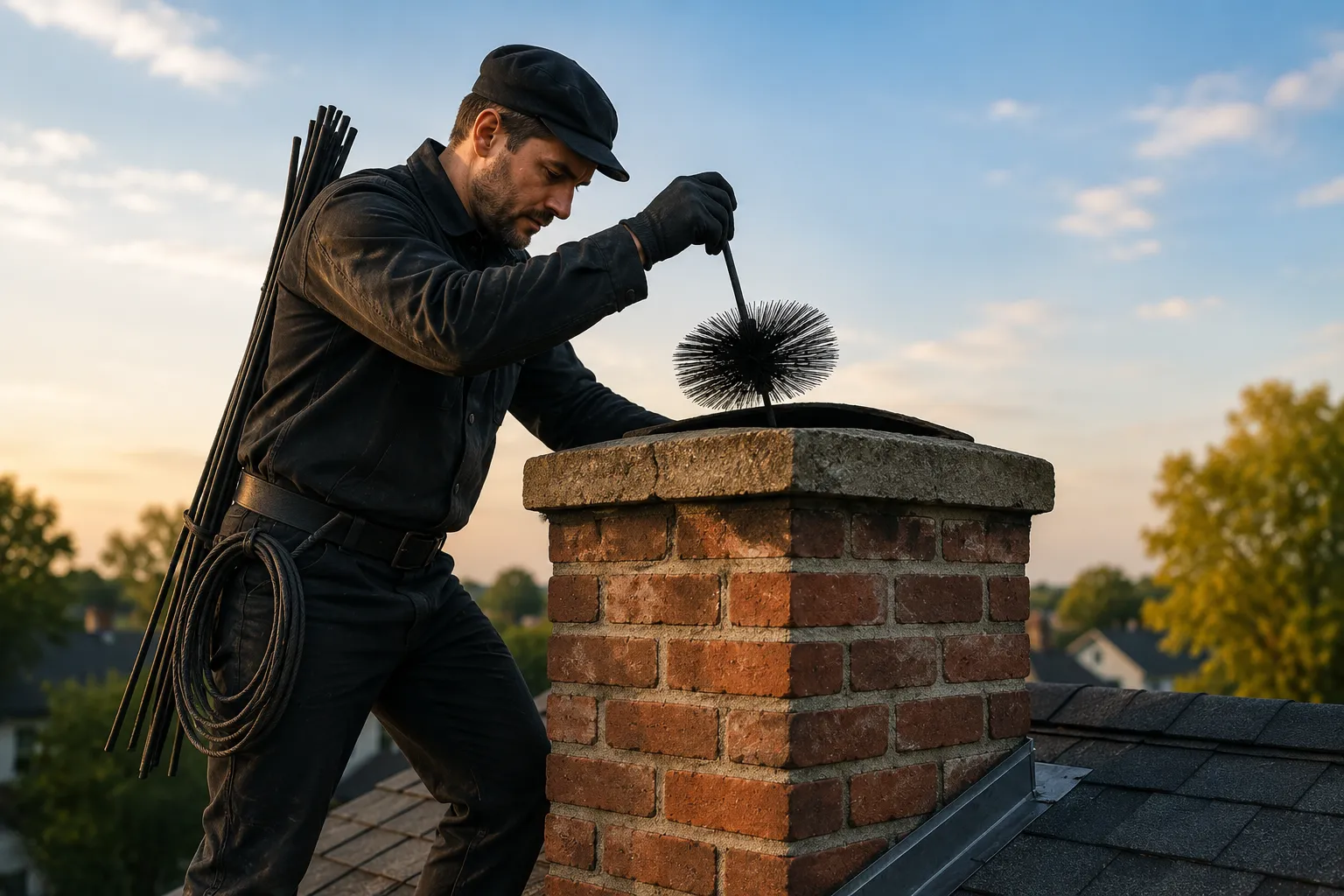

A fireplace adds warmth, comfort, and character to a home, especially during colder months. However, regular fireplace use also creates byproducts that accumulate inside the chimney over time. One of the most dangerous substances is creosote, a highly flammable residue formed when wood smoke cools and sticks to chimney walls. If not removed properly, creosote buildup can create severe fire hazards and reduce chimney efficiency. This is why homeowners should rely on a professional chimney sweep in Alpharetta to safely inspect and clean their chimney systems.
What Is Creosote?
Creosote is a dark, tar-like substance that develops during the combustion process. When wood burns, smoke contains gases, moisture, and particles that travel through the chimney. As the smoke cools, residue condenses along the flue liner and forms creosote deposits.
The amount of buildup depends on several factors, including:
- Type of wood being burned
- Moisture content in firewood
- Frequency of fireplace use
- Chimney ventilation efficiency
- Burning temperature
Over time, these deposits become thicker and more difficult to remove.
Why Creosote Is Dangerous
Many homeowners underestimate the risks associated with creosote accumulation. However, even a small amount can create serious safety concerns.
Chimney Fire Risk
Creosote is highly combustible. When chimney temperatures rise, the buildup can ignite and cause dangerous chimney fires. These fires may spread rapidly to surrounding parts of the home.
Reduced Airflow
Excessive buildup narrows the flue passage, restricting airflow and reducing ventilation efficiency. Poor airflow may cause smoke to enter living areas.
Toxic Fumes
Blocked chimneys can allow dangerous gases, including carbon monoxide, to back up into the home.
Structural Damage
Creosote contains acidic compounds that may gradually damage chimney liners and masonry surfaces.
Regular maintenance helps prevent these hazards before they escalate into major safety issues.
Stages of Creosote Buildup
Creosote develops in different forms, each requiring different cleaning approaches.
Stage One Creosote
This early stage appears as light soot or flaky deposits. It is usually easier to remove during routine chimney cleaning.
Stage Two Creosote
At this stage, the buildup becomes thicker, harder, and tar-like. Specialized tools are often needed for removal.
Stage Three Creosote
This is the most dangerous form. The hardened glaze-like coating is extremely flammable and difficult to remove without professional equipment.
Attempting to clean advanced creosote buildup without proper training can be unsafe and ineffective.
Why DIY Creosote Removal Is Risky
Some homeowners attempt to clean chimneys themselves using brushes or store-bought cleaning products. While minor soot removal may seem manageable, creosote removal is far more complex.
Incomplete Cleaning
DIY methods often fail to remove hidden or hardened deposits deep within the chimney system.
Safety Hazards
Working on roofs and handling chimney tools without experience increases the risk of injury.
Damage to the Chimney
Improper cleaning techniques may crack flue liners or damage masonry components.
Missed Structural Issues
Professional chimney sweeps inspect for damage, leaks, and ventilation problems that homeowners may overlook.
For these reasons, hiring an experienced chimney sweep in Alpharetta is the safest and most effective solution.
The Professional Chimney Cleaning Process
Professional chimney sweeps follow a detailed process designed to improve safety and efficiency.
Chimney Inspection
The process begins with a thorough inspection to assess creosote levels, airflow conditions, and structural integrity.
Protective Preparation
Technicians protect nearby furniture and flooring from dust and debris during cleaning.
Specialized Cleaning Equipment
Professional-grade brushes, vacuums, and rotary cleaning systems are used to remove soot and creosote safely.
Flue and Vent Cleaning
The entire venting system is cleaned to restore proper airflow.
Final Safety Check
After cleaning, the chimney is inspected again to ensure it is safe for use.
This comprehensive approach provides a level of cleaning and protection that DIY methods cannot match.
How Often Should Chimneys Be Cleaned?
Most experts recommend annual chimney inspections and cleaning, especially for frequently used fireplaces. However, cleaning frequency depends on:
- Amount of fireplace use
- Type of fuel burned
- Chimney condition
- Ventilation quality
Homes using wood-burning fireplaces regularly may require more frequent maintenance.
Preventing Excessive Creosote Buildup
While professional cleaning is essential, homeowners can also reduce creosote formation with proper fireplace habits.
Burn Seasoned Firewood
Dry, seasoned wood produces less smoke and residue than wet or green wood.
Maintain Hot Fires
Low-temperature fires generate more smoke and creosote.
Ensure Proper Airflow
Good ventilation helps smoke exit the chimney efficiently.
Schedule Routine Maintenance
Annual inspections identify early buildup before it becomes hazardous.
These steps support cleaner combustion and improve fireplace safety.
Choosing the Right Chimney Sweep Service
Not all chimney services provide the same level of expertise. Homeowners should choose professionals experienced in chimney inspections, cleaning, and creosote removal.
Important qualities include:
- Professional training and experience
- Proper cleaning equipment
- Thorough inspection process
- Transparent service recommendations
- Strong customer reputation
For homeowners seeking dependable chimney care, CFC Clean Fix Chimneys provides professional cleaning and inspection services focused on safety, efficiency, and long-term chimney performance.
Conclusion
Creosote buildup is one of the most serious risks associated with fireplace use. Left untreated, it can lead to chimney fires, ventilation issues, structural damage, and dangerous indoor air conditions. Because advanced creosote removal requires specialized tools and expertise, professional chimney maintenance is essential.
Routine inspections and cleanings help homeowners maintain safe, efficient fireplaces while preventing costly repairs and hazardous situations. Investing in professional chimney care protects both your home and your family throughout the heating season.




























Sign in to leave a comment.