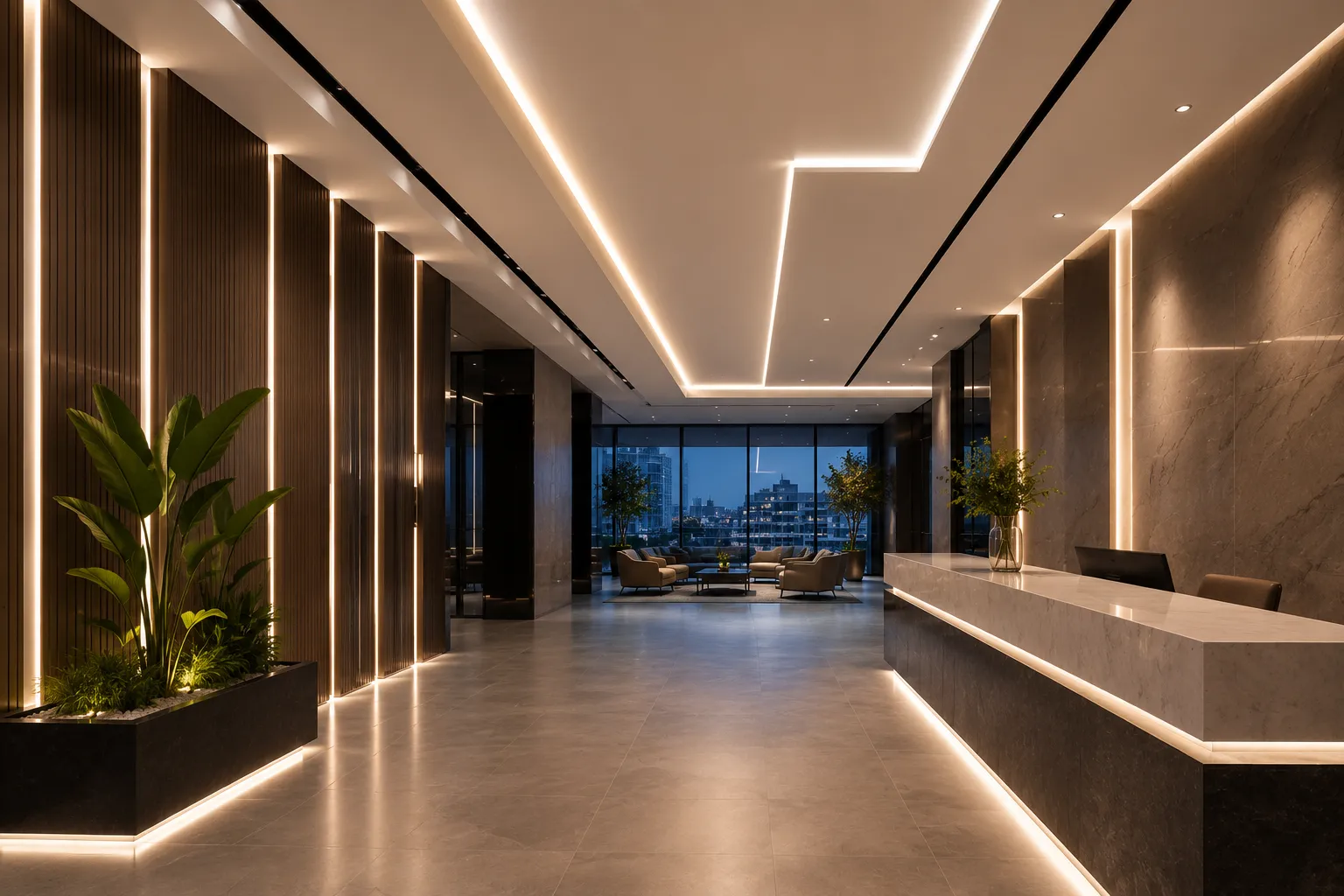

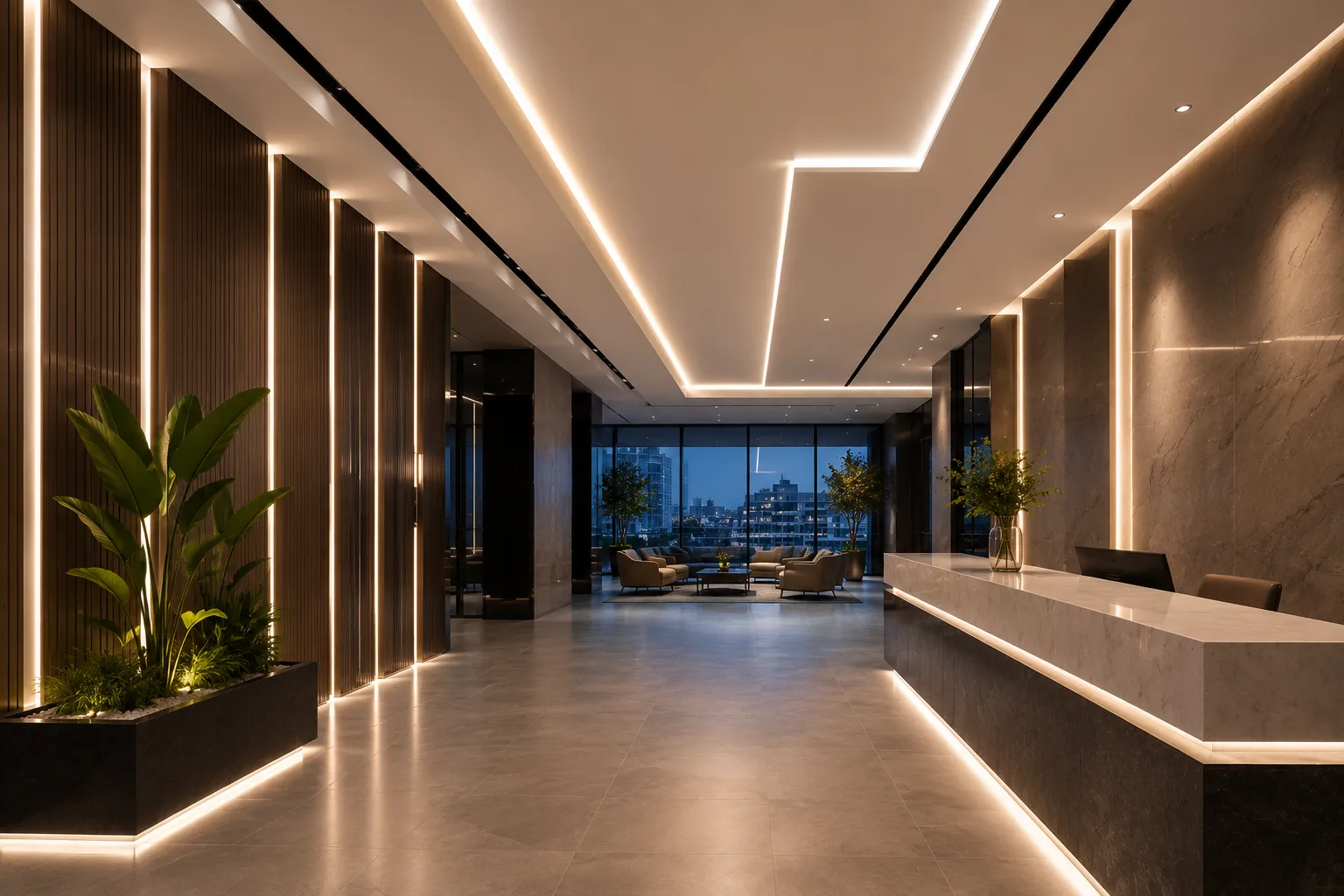
Every lighting project has different technical and aesthetic requirements. Standard products may be suitable for many applications, but specialized projects sometimes require particular dimensions, finishes, mounting methods, or diffuser combinations. This makes customization an important consideration when choosing an LED profiles manufacturer. A reliable suppliers can develop or adapt profile solutions to match the practical requirements of a project rather than relying entirely on off-the-shelf designs.
Different Projects Require Different Profiles
A retail display may require a narrow profile that remains almost invisible, while a commercial ceiling installation may need a larger profile capable of accommodating a higher-powered LED strip.
Similarly, furniture manufacturers may require very compact profiles, whereas architectural projects may require recessed systems that disappear into ceilings or walls.
These different requirements demonstrate why profile selection should be based on application rather than simply choosing the most attractive product.
Custom Dimensions and Finishes
Customization can involve several aspects of an LED profile. Dimensions can be adjusted for specific installation spaces, while surface finishes can be selected to complement surrounding materials.
Common considerations include:
- Profile width and depth
- Mounting configuration
- Diffuser type
- Aluminium finish
- LED strip compatibility
- Corner or joining requirements
- Recessed or surface installation
For projects involving repeated installations, consistency is particularly important. Accurate manufacturing helps ensure that profiles fit together properly across the entire project.
Supporting Designers and Manufacturers
Custom profile solutions can help designers achieve lighting effects that would be difficult with generic products. Furniture manufacturers, for example, may need a profile that fits within a specific panel thickness.
Architectural lighting projects may require profiles that follow unusual dimensions or integrate with other construction elements.
Working directly with an LED profiles supplier can make it easier to discuss these requirements before production begins. Technical drawings, samples, dimensions, and installation details can be reviewed before the final product is manufactured.
Balancing Appearance and Performance
Customization should not focus only on appearance. The profile must also provide suitable structural support and thermal performance for the selected LED strip.
The right balance between profile size, LED output, diffuser selection, mounting method, and installation environment can produce a more dependable lighting system.
For larger projects, manufacturers should also consider production consistency. A customized design is most useful when every batch maintains the required dimensions and finish.
Conclusion
Customization gives lighting designers and manufacturers greater control over how LED systems fit into a project. From dimensions and finishes to mounting methods and diffuser options, the right specifications can improve both appearance and functionality. Choosing an experienced LED profiles manufacturer can therefore be valuable when a project demands more than a standard lighting channel.




















Sign in to leave a comment.